Legendary hip hop mogul Master P has just dropped a bombshell revelation claiming he could have purchased the entire Cash Money Records roster back in 1996. This stunning confession resurfaces long-simmering tensions between two of New Orleans’ most iconic labels, No Limit and Cash Money, potentially rewriting hip hop history.
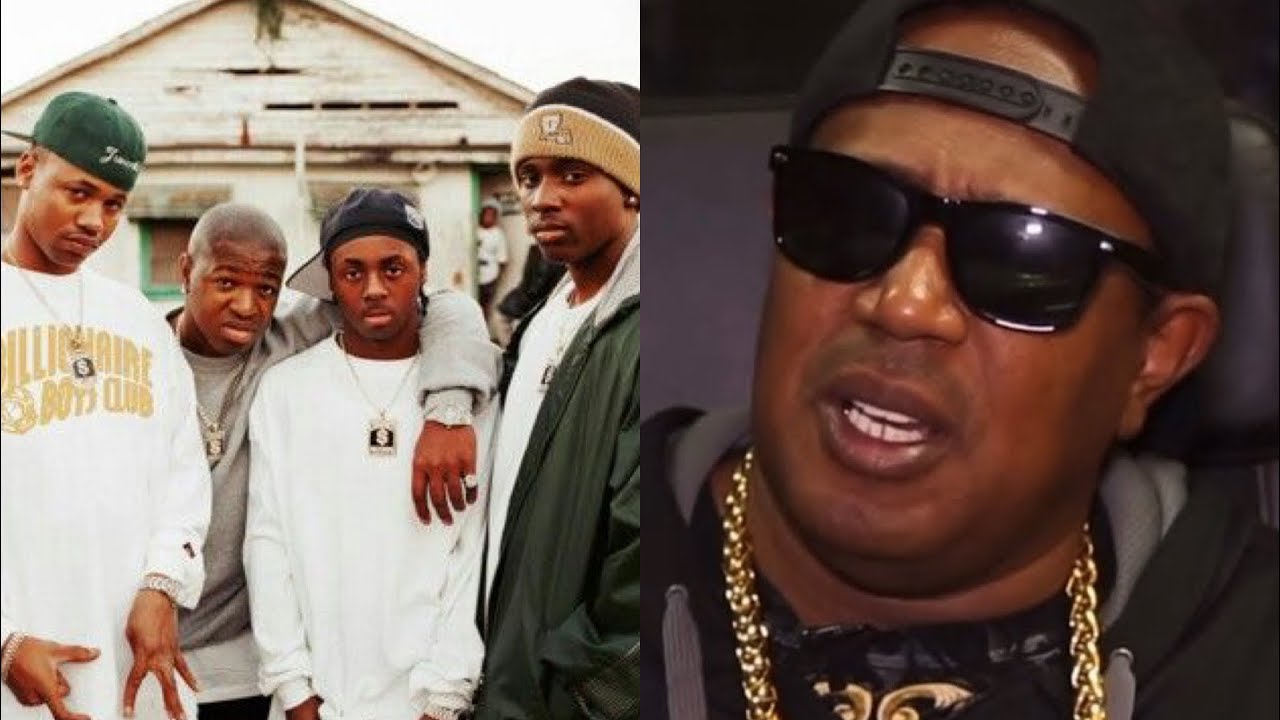 During a candid episode of the Nation of Fire K Sean Daily podcast, Master P boldly declared that Birdman and his partners originally approached him with an offer to buy Cash Money Records. According to Master P, talks were held but ultimately fell apart due to differing backgrounds and the volatile atmosphere between their neighborhoods.
This revelation has ignited fierce debate among hip hop aficionados and insiders alike, as it challenges previously accepted narratives about the legendary feud between Master P’s No Limit Records and Birdman’s Cash Money Records. The rivalry was well-documented, with strained relationships overshadowing potential collaborations.
Master P described how the deal could have changed the industry landscape, imagining a powerhouse label housing icons like Lil Wayne, Juvenile, B.G., and even Mystikal together under one No Limit umbrella. Fans are left speculating about the alternate universe where these stars shared beats and stages.
Despite the deal falling through, Master P expressed no regrets, crediting fate and divine timing for how their careers unfolded. His remarks emphasized respect for Cash Money’s success, acknowledging the imprint Birdman and his team left on hip hop culture.
Countering this narrative, insiders close to Birdman have publicly dismissed Master P’s claims as falsehoods. Terrance “Gangster” Williams, Birdman’s half-brother, called the story “cap” and reaffirmed that Birdman never attempted to sell the label to No Limit, sparking controversy and questions about the truth behind the scenes.
 The discussion highlights long-standing complexities within New Orleans’ hip hop scene, where neighborhood loyalties and business rivalry intersected violently during the late ’90s and early 2000s. Despite artist-level camaraderie, executive relations were fraught, explaining the missed collaborative opportunities.
Industry commentators speculated how a Cash Money-No Limit merger could have transformed the Southern rap movement, possibly accelerating the rise of global hip hop juggernauts. The union might have pooled talents like Mannie Fresh with No Limit producers, creating an unstoppable creative force.
As social media buzzes, fans are weighing in on whether to believe Master P’s explosive admission or side with Birdman’s camp. This clash of narratives puts a spotlight on the fragile nature of hip hop alliances and the business’s hidden power dynamics during a pivotal era.
Master P’s provocative statements come at a time when hip hop’s roots and legacies are intensely examined, reminding the world about the battles—both lyrical and corporate—that shaped the genre’s golden age. His claims propel fresh interest in the origin stories of two titanic labels.
The fallout from this announcement promises to reverberate across music history forums and social platforms, reigniting debates and retrospectives about what might have been. For now, the question lingers: Could Master P’s No Limit have truly become the parent company of Cash Money Records?

With stakes this high, Masters P’s confession is a pivotal moment, triggering a reassessment of hip hop’s past and its business dealings. As more voices weigh in, this saga is far from over, and fans should expect more revelations or rebuttals in the coming days.
The Nation of Fire podcast episode where this claim was made has already surged in popularity, attracting tens of thousands of listeners eager to dissect Master P’s bold statement. The hip hop community remains on edge, hungry for clarity amid this unfolding 𝒹𝓇𝒶𝓂𝒶.
Ultimately, the tale of No Limit versus Cash Money is emblematic of broader struggles in the music industry: power, pride, and the precarious balance between artistry and commerce. Master P’s account adds a provocative chapter to this ongoing story.
Whether truth or exaggeration, this confession offers a rare glimpse into the game-changing decisions that hip hop moguls face. It underscores the thin line between success and missed opportunity, forever altering how we view these legendary labels’ trajectories.
 As the dust settles, anticipation builds for possible responses from Birdman and Cash Money affiliates. Their answer could confirm, deny, or complicate this narrative further, ensuring the saga remains a hot topic in hip hop circles.
One thing is clear: Master P’s declaration has shattered complacency, forcing the hip hop world to reconsider the possibilities lost amid rivalry and street politics. This revelation reignites excitement for what might have been an unstoppable force in rap music.
In the coming days, industry insiders and journalists will likely probe deeper, seeking corroboration and details surrounding this explosive claim. Fans should stay vigilant for updates that could rewrite the history books of Southern hip hop indefinitely.
Master P’s candidness highlights that beyond the beats and rhymes lie intricate business maneuvers shaping the culture and fortunes of some of hip hop’s biggest names. This moment propels a vital conversation on ownership, loyalty, and vision in music entrepreneurship.
For now, listeners and readers must grapple with an extraordinary “what if” scenario that challenges assumptions about one of hip hop’s most intense rivalries. Master P’s revelation injects urgent energy into the discourse on how legends are made—or could have been.
As this story continues to unfold, one thing resonates: hip hop history is never static, and the voices of its pioneers hold power to reshape narratives even decades later. The Master P-Birdman saga now stands at a crossroads of truth, myth, and legacy.