Master P has stunned the hip-hop world with a jaw-dropping revelation: he could have purchased Cash Money Records, including icons like Birdman and Lil Wayne, back in 1996 but negotiations ultimately fell through. This explosive claim shakes the foundations of rap history, suggesting an unimaginable merge of two powerhouse labels.
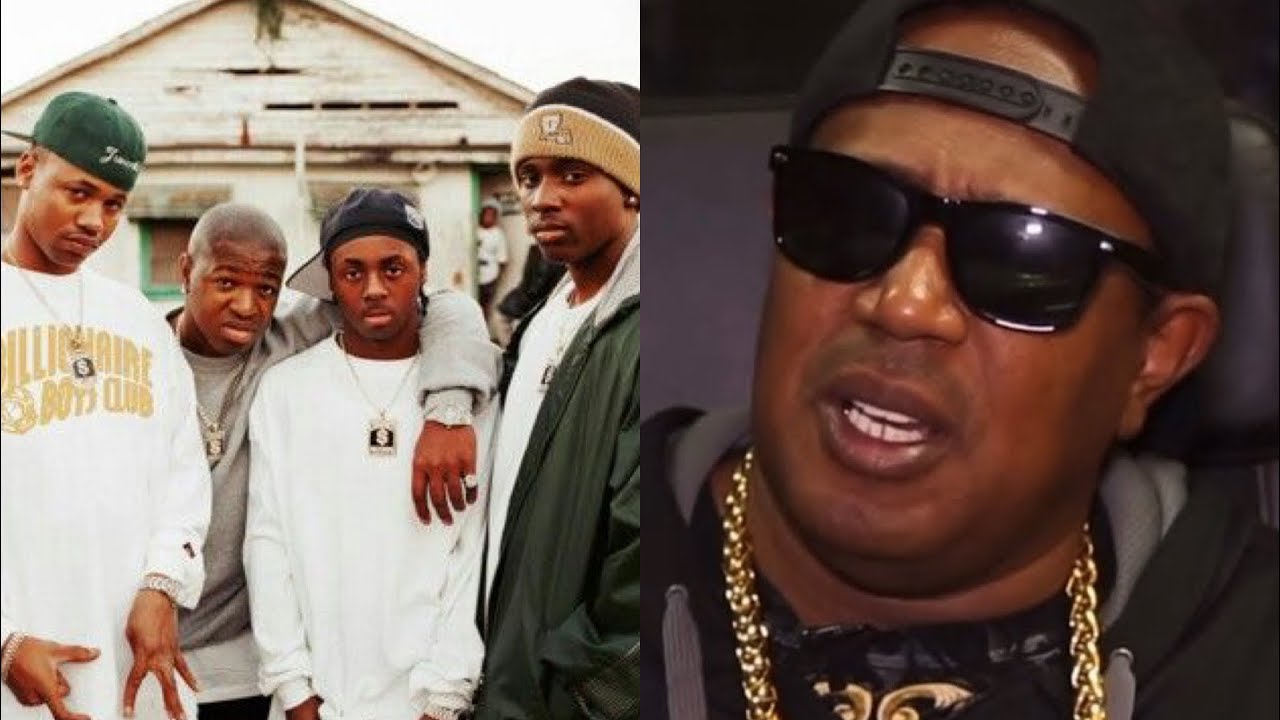 During a recent appearance on the Nation of Fire K Sean Daily podcast, the No Limit Records mastermind laid bare the secret that could have rewritten music industry history. Master P asserted that Birdman and his team once approached him with an offer to sell Cash Money Records, sparking a monumental missed opportunity.
He explained that despite shared roots in New Orleans, cultural and neighborhood differences complicated the deal. Master P emphasized the violence and rivalries between their respective areas played a significant role in why the acquisition never materialized. “We just couldn’t make it work,” he candidly stated.
The rapper and entrepreneur stressed that though the deal fell through, he harbors no regrets, recognizing that Cash Money’s eventual trajectory and success were meant to be. He reflected on how the labels’ distinct brands and systems shaped their separate paths in hip-hop.
Master P’s claim immediately ignited debate among fans and insiders, with some questioning its authenticity due to the well-known tensions between Birdman and No Limit’s founder. Notably, Terrance Gangster Williams, half-brother to Birdman and Slim, dismissed the story, calling it “cap” and denying any attempt to sell the label to No Limit.
 Despite the controversy, the allure of a Cash Money–No Limit merger remains a tantalizing “what if” scenario for hip-hop enthusiasts. Imagine Lil Wayne, Juvenile, and B.G. sharing studios with Master P’s signees, or legendary producers like Mannie Fresh and KLC collaborating on iconic beats.
The cultural and commercial impact of such a union would have been seismic, potentially uniting the Magnolia and Calliope Projects under one dominant umbrella. This vision sparks endless possibilities for the golden era of late 1990s hip-hop, a time many regard as the genre’s most vibrant period.
Master P’s revelations provide rare insight into the behind-the-scenes dynamics of rap’s fiercest rivals. While the labels were born from the same city and era, personal conflicts and territorial disputes created barriers too high to cross, leaving fans bereft of groundbreaking collaborations.
The podcast host also highlighted the poignant irony that these artists and power players hailed from neighboring neighborhoods yet failed to capitalize on their shared heritage. The street-level animosities overshadowed what might have been a legendary alliance.

No Limit Records and Cash Money Records ultimately thrived independently, each carving an indelible legacy. But Master P’s confession forces a reevaluation of what might have been, had these rap giants set aside differences to unite under one banner.
Industry watchers are now pouring over this statement, trying to piece together the facts amid conflicting narratives. The suggestion of a $30 million Universal deal by Cash Money around that time adds a fascinating financial backdrop to the story’s context.
In retrospect, this revelation stirs deep nostalgia and speculation about alternative histories for hip-hop’s development. Fans continue to debate whether No Limit’s vast roster could have harnessed the star power of Cash Money’s artists, changing the soundscape forever.
 Master P’s statement also underscores the unpredictable nature of business deals within the music industry, where timing, trust, and environment can make or break opportunities that redefine careers and cultural movements.
While skepticism remains, this moment compels scholars and aficionados alike to reassess the legacies of both labels, acknowledging the fragile alliances and fierce rivalries that shaped hip-hop’s explosive growth in the 1990s.
As the story gains momentum online, listeners and viewers are invited to share their thoughts on this remarkable claim. Could Master P have truly bought Cash Money Records and rewritten the history of Southern hip-hop? The conversation has only just begun.
This breaking revelation marks a pivotal moment in music history, revealing how close Hip Hop came to an unprecedented merger. It underscores the complexity of the genre’s business landscape and the deep-rooted cultural divides that influence artistic legacies.
Master P’s candid recounting leaves a profound question hanging—what if these two rappers’ empires had united? The answer will remain one of the most intriguing unanswered chapters in hip-hop lore for years to come.


