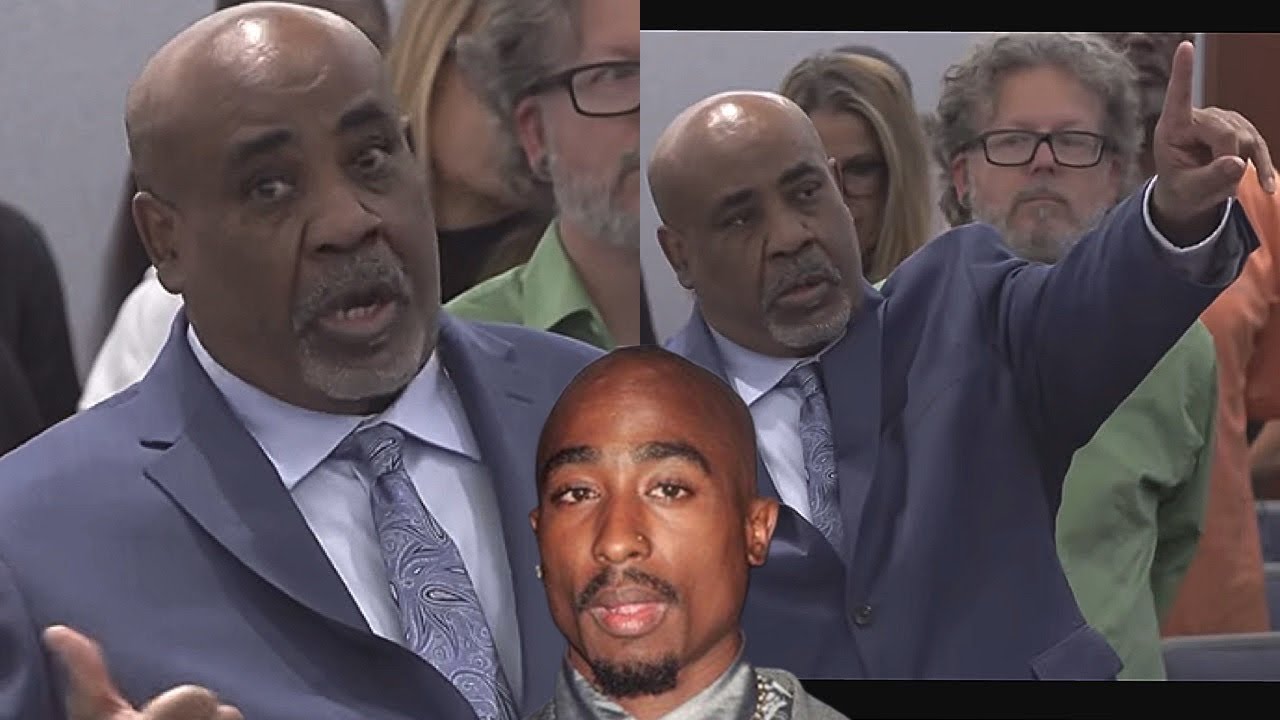
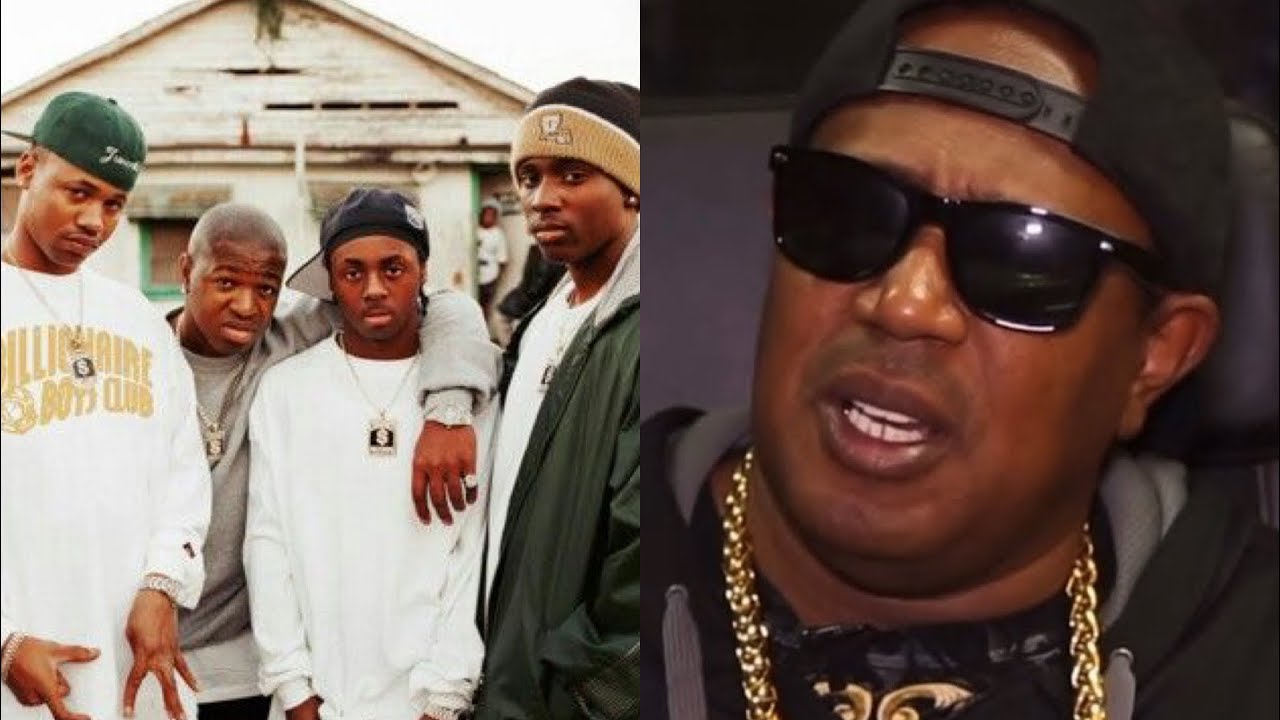
Rod Wave has publicly addressed the heated sampling dispute involving Boosie Badazz and Lyfe Jennings, delivering a stark message that has ignited the music industry’s attention. Speaking candidly during his birthday flight, Wave slammed misunderstandings over intellectual property, emphasizing business acumen and contractual responsibility as the core issues.
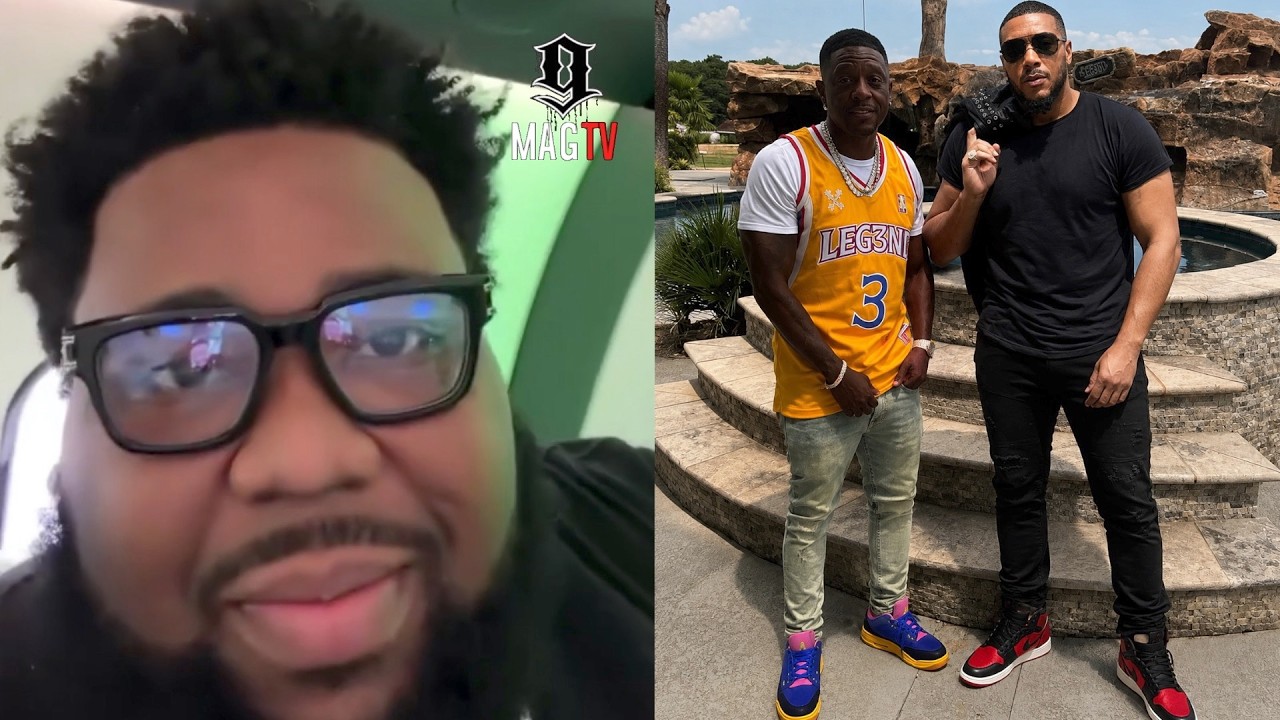 In an urgent statement, Rod Wave confronted the controversy head-on, urging artists to understand their contracts thoroughly. Speaking mid-flight on his birthday, he declared that disputes over song sampling boil down to legal agreements signed years ago. “Whatever deal you sign, bro, that’s what deal you signed,” he warned, highlighting the importance of business literacy.
Rod Wave’s remarks targeted older artists like Boosie and Lyfe Jennings, who have publicly challenged his use of their sampled material. While acknowledging past personal feelings in one case, he made clear that payments flow only in accordance with cleared rights and ownership stakes, dismissing emotional arguments.
Wave insisted that those owed royalties will receive them, according to the terms set at the time of the original agreements. “How can I pay you something I don’t owe you, fam?” he questioned sharply, reframing the dispute as a failure of contract understanding rather than theft or disrespect.
The rapper warned that many veterans remain confused about their contracts, blaming external forces instead of taking ownership. He urged young artists to break this cycle by mastering the business from the start, emphasizing that ignorance leads to decades of frustration in the industry.
Rod Wave’s transparent message calls for radical change in the culture surrounding music rights. The industry must evolve, he implied, with artists prioritizing their legal education as much as their creative craft to avoid repeating costly mistakes.

This confrontation shines a bright spotlight on evolving norms in hip-hop and R&B, where sampling remains integral but controversy over rights is a chronic issue. Wave’s frank stance may force labels and artists alike to reassess their approaches to intellectual property and collaboration.
As tensions escalate publicly, the broader community watches closely to see if this dispute will spark new respect for contracts or deepen divisions. Wave’s statement serves as an urgent wake-up call: understand your business or pay the price.
The ongoing quarrel between these influential artists unfolds at a moment when music streaming and digital platforms increasingly complicate rights management. Rod Wave’s intervention in the debate signifies a demand for accountability amidst industry upheaval.
Behind the scenes, industry insiders speculate whether this dispute will lead to renegotiation or legal battles, but Wave remains focused on the need for education and responsibility over litigation. His words echo beyond the conflict as a cautionary tale.

In sum, Rod Wave’s unfiltered commentary dismantles the 𝒹𝓇𝒶𝓂𝒶 into a stark lesson: contracts are king in music sampling disputes. This call to action challenges artists to take control of their business destiny to safeguard their legacies.
As the situation develops, all eyes remain fixed on how Boosie, Lyfe Jennings, and Wave will navigate this critical moment. The stakes are high, and the resolutions reached could reshape artist relations and intellectual property norms going forward.
This explosive development underscores a deeper reckoning within the industry, where respect for creative ownership must balance with evolving collaboration models. Rod Wave’s forthright remarks mark a pivotal episode in this ongoing dialogue.
Fans, peers, and industry veterans alike await further responses, knowing that the outcome of this clash could influence future sampling disputes. Wave’s blunt truth strikes at the heart of longstanding frustration with music rights management.

In a fast-changing landscape, his warning is clear: ignorance of business is no excuse, and accountability is non-negotiable. This dispute serves as a critical case study underscoring the need for artist empowerment through knowledge.
As Rod Wave lands from his flight, the ripples from his statement continue to spread, igniting fervent discussion about the intersection of artistry and commerce. This story is far from over and demands close attention.
With the industry’s eyes locked on this volatile dispute, the imperative for clearer communication, better contracts, and artist education comes sharply into focus. Wave’s intervention may well redefine how disputes are handled moving forward.
Rod Wave’s candid, no-nonsense response positions him as a vocal advocate for business savvy in music. His words serve not only as a rebuke but a blueprint for sustainability and respect in a complex creative marketplace.
This saga remains a vivid reminder that behind every artistic success lies a contract—and understanding it is essential. As this case unfolds, the music world watches a crucial battle over rights, respect, and responsibility.