In the annals of ancient medicine, one herb stood out as a miraculous cure-all: silphium. This extraordinary plant, which thrived solely in a narrow strip of land along the North African coast near Cyrene—modern-day Libya—was not just a remedy; it was a lifeline for countless ailments, revered and sought after throughout the ancient world.
Silphium was more than a mere botanical wonder; it was a cornerstone of Cyrene’s identity. The city went so far as to emblazon its image on coins, signaling its immense value not just economically but culturally. This unique plant was synonymous with wealth, health, and the very essence of Cyrene itself.
For centuries, silphium was the go-to treatment for an array of health issues, from fevers and infections to digestive disorders and reproductive challenges. Ancient texts celebrated its wide-ranging benefits, describing it as a comprehensive medical solution encapsulated in a single plant. But therein lay a hidden vulnerability—its survival hinged on the delicate balance of its singular ecosystem.
 As the Roman Empire expanded, the dynamics that once nurtured silphium began to shift. The plant didn’t vanish overnight, but the gradual changes in governance and exploitation of resources eroded the conditions necessary for its growth. The most widely accepted explanation for its decline points to overharvesting coupled with ecological pressures, a narrative that echoes the fate of many rare species. Yet, the story of silphium is not just about its disappearance; it’s also about the invaluable knowledge that faded alongside it.
Despite the meticulous record-keeping of ancient civilizations, the details surrounding silphium’s cultivation and preparation remain frustratingly incomplete. While we have praise for its effectiveness and symbolic representations, the practical knowledge needed to replicate its medicinal properties has been lost to time. This gap in understanding underscores a critical truth in medicine: without the ability to reproduce a remedy, its legacy is doomed to fade.
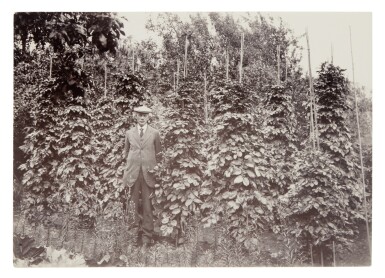
One poignant tale from antiquity tells of a lone stalk of silphium discovered, potentially the last remnant of this legendary plant. Instead of prioritizing its preservation, this precious specimen was sent to Emperor Nero, not as a means of conservation but as a curiosity for the powerful. Following this moment, historical records grow eerily silent, with no documented attempts to cultivate or recover the plant.
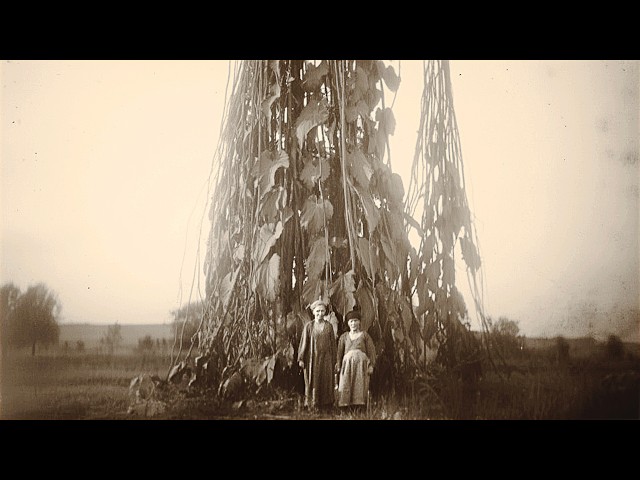 The fate of silphium raises profound questions about the implications of relying on a singular source for medicinal practices. When such a vital component of healing is lost, the entire system built around it crumbles, leading to an epistemic loss—the disappearance of knowledge that once thrived.
Silphium is not alone in its tragic trajectory. Other ancient remedies, like theriac and soma, have similarly faded into obscurity, leaving behind only whispers of their former glory. These stories remind us that reputation can endure, but the methods to harness that reputation often vanish.

The narrative of silphium serves as a cautionary tale about the fragility of systems that depend on singular resources. It thrived under specific ecological and cultural conditions, and when those conditions shifted, it was left without a safety net.
Today, silphium exists only in fragments—coins bearing its image, scattered ancient texts, and the echoes of a once-thriving medicinal tradition. Its legacy is more a matter of intrigue than understanding, leaving us to ponder the broader implications of its loss.
Was silphium a victim of overexploitation, ecological mismanagement, or the indifference of an empire? Or does its story reflect a deeper truth about the balance of value, scarcity, and the importance of preservation? The answers remain elusive, inviting us to explore the delicate relationship between humanity and nature’s gifts.