Russian ballistic missiles kept flying. Ukraine struggled to stop them, running low on Patriot interceptors. The need for a fast solution was urgent—something that could protect the country through the winter while still striking back at Russia. That solution was coming.
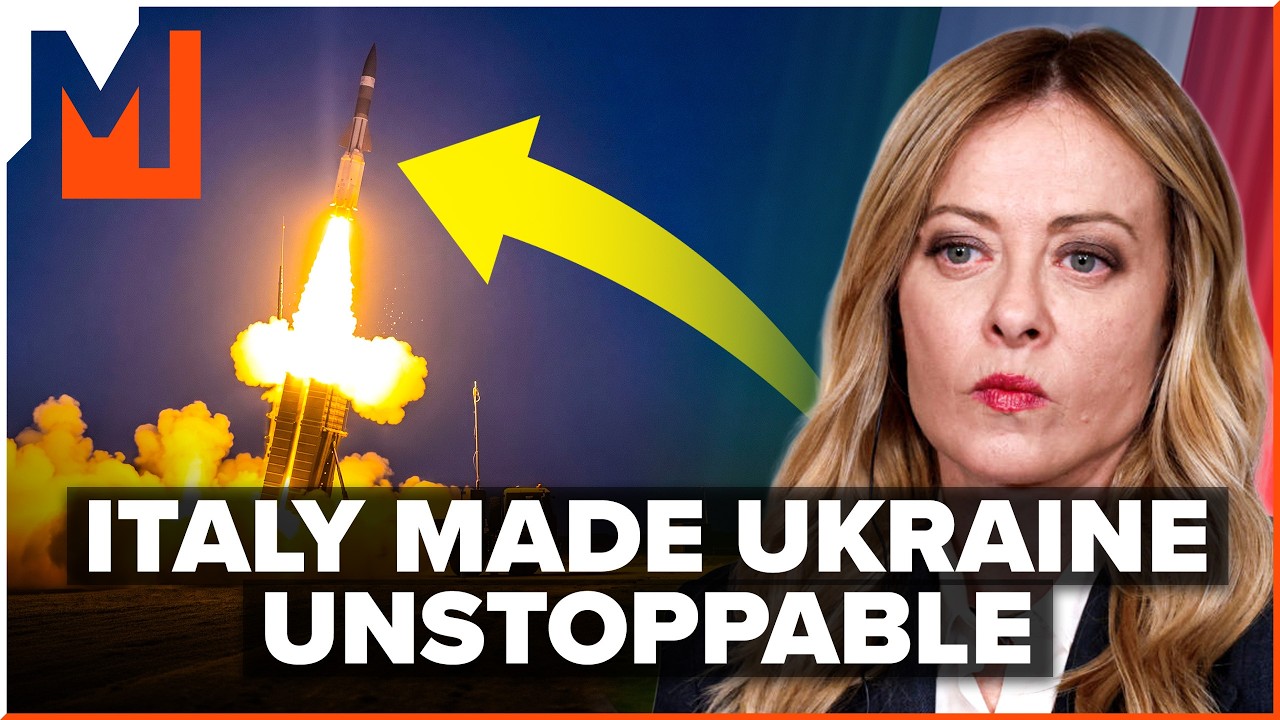
Italy was about to step in. In a highly secret deal, Italy had just agreed to give Ukraine something Russia would hate. The air defense gap was closing, and it happened just in time to blunt the Kremlin’s winter assault. On August 27, the Kyiv Independent reported that Italy had prepared a new military aid package for Ukraine.
It included four next-generation SAMP/T NG air defense batteries—a massive upgrade over the older SAMP/T systems Ukraine already operated—along with a stock of Aster 30 interceptors, similar to Patriot missiles. To make sure those missiles hit their targets, Italy would also provide seven long-range radars, letting Ukraine intercept Russian ballistic missiles from a distance and protect its cities and critical infrastructure. The total package was worth $3. 5 billion, making it the thirteenth aid package Italy had given Ukraine, fully funded through European Union loans.
What made this different from past promises was the timeline. This wasn’t a case of weapons arriving far in the future, too late to matter. At least part of the missiles would be delivered by October, just in time for Ukraine to restock before an expected winter attack on its cities and energy grid. The rest of the package would likely come later, possibly in 2027.
But there was something else about this package that hadn’t been explained yet: it was supposed to be secret. So how were we telling you what was in it? The answer: the package wasn’t secret anymore, because it had just been announced. The secrecy came before anyone knew Italy had made the decision.
According to La Repubblica, the Italian government decided to send air defenses to Ukraine behind closed doors, avoiding internal political disputes that could delay the announcement. Officially, until the moment it was revealed, Italy had only planned to send civilian power generators to Ukraine. Italian opposition members inside the government didn’t learn about the aid package—or the fact they’d been excluded from the decision—until August 26. It seemed like a clever move, but it felt necessary if the government wanted to keep supporting Ukraine the way it needed.
Politico had noted on August 4 that Italy was divided over whether to send more aid. Former Prime Minister Giuseppe Conte, who now led the Five Star Movement, suggested Italy might stop military aid if his party won the next election. Support for Ukraine was also weaker among Italians compared to other European nations. Yet even with that internal opposition, the decision was made.
Italy was all in.