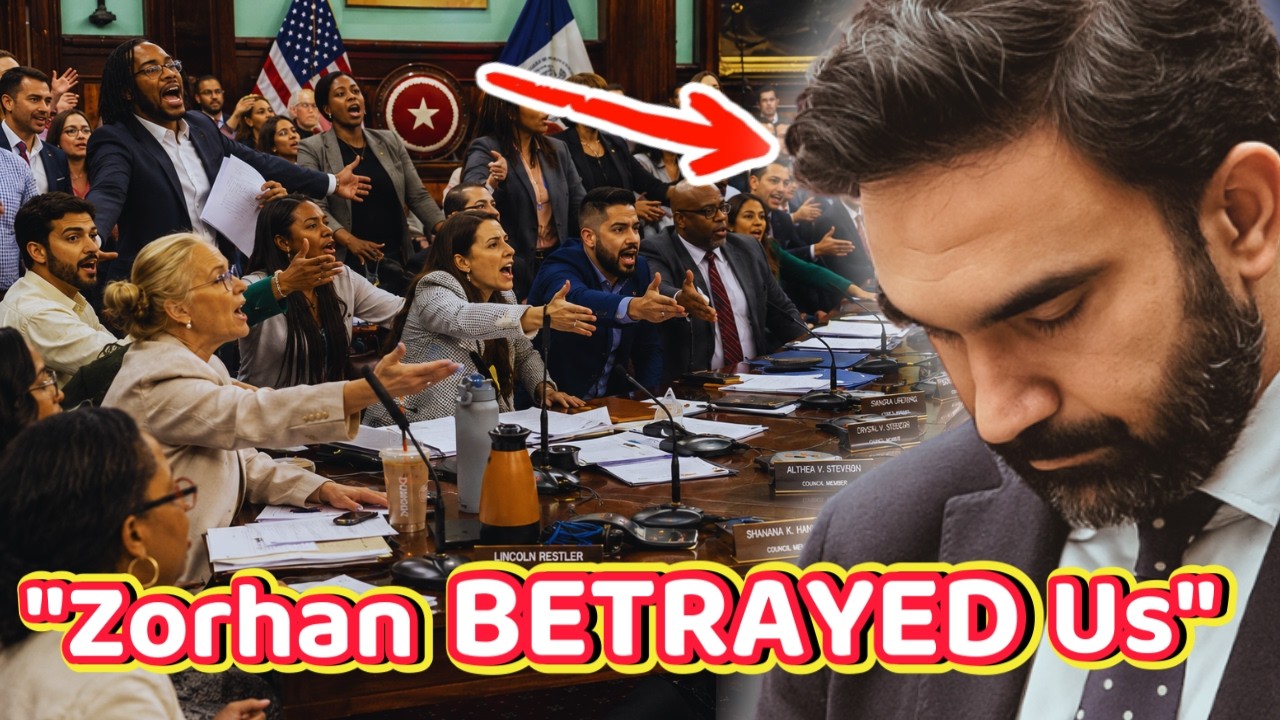
When the New York City Council scheduled a hearing on Mayor Adams’ new pied-à-terre tax, they expected answers. Instead, they got empty chairs. The mayor’s administration refused to testify, citing a pending lawsuit, and the council’s frustration boiled over into open outrage. One council member spoke directly to the void where the administration should have been.
“My residents in my district shouldn’t have to hire lawyers to prove they live in their own home. ”
The tax itself was designed to target the wealthiest property owners—luxury second homes worth over $5 million and condos worth over $1 million. It was supposed to raise about $500 million a year for the city. But the rollout was where things fell apart, and that rollout, critics argued, crossed a legal line.
Instead of making individualized determinations about which properties actually qualified, the city released a searchable website listing nearly a million properties they claimed were linked to the tax. Then they mailed letters to roughly 17,000 homeowners, putting them on notice that they might owe the surcharge. The problem? Many of those 17,000 people were permanent residents of their own homes.
They were being presumed guilty of owning a second property unless they could prove otherwise. The tax was supposed to apply only to people who didn’t live in their qualifying property. But the way the city rolled it out, homeowners now had to prove their own residency to get out of a tax they never should have been subject to in the first place. “Government should communicate clearly and effectively about new policies,” the finance commissioner wrote in his testimony, promising that the department was committed to applying the surcharge only where it was legally required.
The council wasn’t satisfied. They demanded to know why the administration had skipped the hearing while rolling out a tax that affected so many people. One council member put it bluntly: “I think New Yorkers are entitled to ask a very simple question. What are they hiding?
”
The criticism wasn’t limited to one party. People on both sides said the city was treating homeowners as guilty until proven innocent. A letter from the city saying you may be subject to the tax left you with a choice: hire a lawyer, or wait for the city to decide if you actually owed anything. A few homeowners decided not to wait.
They sued the city, and a Staten Island judge issued a temporary restraining order, halting the rollout. The judge’s decision didn’t kill the law itself—it put the implementation on hold while the court examined how the city had handled it. Even with the block, critics worried it was already too late. The damage had been done.
Seventeen thousand people had been doxxed, their names attached in public records to a tax that may never have applied to them. The city claimed it was required by law to release that list. The judge would have to decide whether they were right. Beyond the legal questions, the political undertone was unmistakable.
This tax was pushed as a way to squeeze the rich, the people who buy luxury apartments in New York and barely use them. On the surface, it sounded fair. But some saw a deeper pattern. “When they say they want to help the working people, I don’t buy it,” one critic warned.
“I think their higher objective is modeling society in the way that they see fit. ”
The argument went deeper. If you came from nothing and built something, you might think you were finally safe. But in this system, the moment you arrived, you became part of the target class.
The government would come for what you built and redistribute it to others. It wasn’t just billionaires worried about the tax. Everyday hardworking New Yorkers, the ones who had dedicated their lives to making the city function, were watching this rollout and wondering if they were next. The logic of the city’s approach was simple: assume the tax applies to a broad list of properties, then force homeowners to opt out.
The burden was placed on the individual, not on the government to prove the tax applied. That reverse presumption was at the heart of the legal challenge. “The mayor wanted to grab a quick headline,” one legal analyst said. “He got his headline, but he broke the law in the process.
”
The state statute was clear, the analyst argued. The city was required to make individualized initial determinations that the tax applied to specific residences before notifying owners. Instead, they used a shotgun approach, blasting notices to thousands of people based on a broad search. That approach was illegal, plain and simple.
The judge who blocked the tax agreed, at least temporarily. But the questions remained. How do you undo something already done? How do you un-dox seventeen thousand people who have already been tagged as potential tax evaders?
For the council, the frustration was still fresh. They had called the hearing to get answers and the administration had declined to show up. The mayor’s team was hiding behind a lawsuit, but the council wasn’t buying it. Critics warned that this was just the beginning.
The tax might start with the richest, but where would it end? As the national debt passed $40 trillion, the pressure to raise revenue was only going to grow. Free buses, free grocery stores, all the new programs politicians wanted to fund—they all required money. And that money had to come from somewhere.
First, they came for the people with second mansions. Next, they would move down the list. The upper middle class, then the middle class, everyone’s hard work and property becoming targets for redistribution. The judge’s temporary block bought some time, but the law itself was still on the books.
The city council was angry, the homeowners were frightened, and the mayor was silent. No one had any idea how this would end.