The air in the arena was electric, but Jay-Z stood in the shadows, watching a force of nature he had never seen before. In a rare and deeply personal reflection, the hip-hop mogul has revealed the exact reason he will always hold an unshakable respect for the late DMX, a man he once considered his fiercest rival. The revelation, shared during a candid interview, peels back the layers of a legendary competition that defined an era of hip hop, exposing a bond forged in fire, respect, and awe.
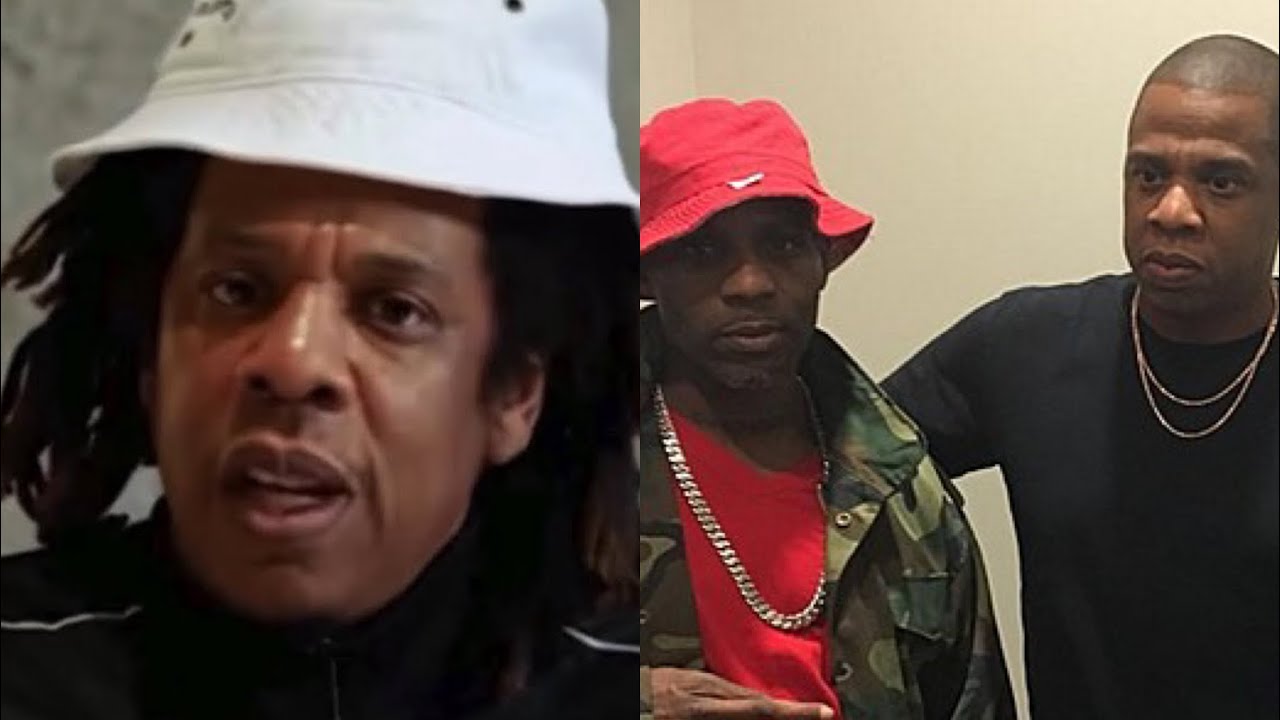 Jay-Z began by recounting a moment that stunned the music industry. In 1999, DMX released two number one albums in the same year, a feat of staggering dominance. Yet, the Grammys snubbed him entirely. Jay-Z, who won the award for Best Rap Album that year, made a bold statement. He boycotted the ceremony. “My first Grammy win, I wasn’t even in the building because I boycotted the Grammys for him,” Jay-Z said, his voice carrying the weight of a decision that was as much about principle as it was about loyalty.
The rivalry between the two titans was born in the gritty streets of the Bronx. They met in a pool hall, a battleground of words and wit. After the battle, DMX took the stage at a show and screamed, “Jay-Z, where you at?” Jay-Z laughed at the memory, calling him “nuts.” But it was this unrelenting, raw passion that Jay-Z says he has never seen in another human being. “I never met a human being more competitive with me,” he admitted, noting that not even his own big brother could match DMX’s drive.
The true testament to DMX’s greatness, however, came during a historic tour. Jay-Z, DMX, Method Man, Redman, Jadakiss, and The LOX packed arenas across the country. The first night was sold out, and every artist delivered a spectacular performance. But when DMX took the stage, the game changed. The lights went dark. A single “boom boom” from the hallway shook the arena. Then another. The crowd erupted into a deafening roar, and Jay-Z watched in awe as DMX ran back and forth, drinking a mix of Alizé and Hennessy that looked like blood.
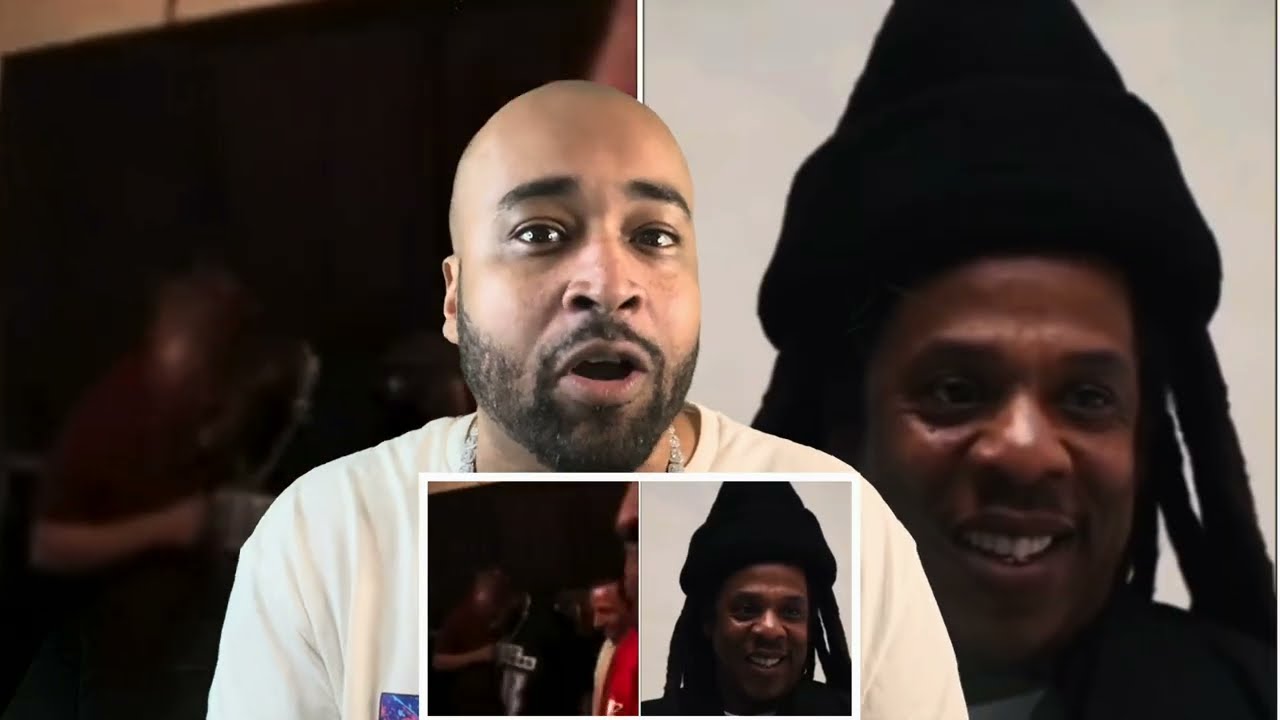
Halfway through the show, DMX tore off his shirt, his signature dog chain swinging wildly. He screamed, he ran, he commanded every soul in the building. Then, at the peak of the chaos, he stopped. He began to pray. The entire arena, moments ago a frenzy of energy, fell into tears. “They’re crying,” Jay-Z recalled, his voice mixing laughter and disbelief. “The whole arena is crying.” When it was over, the crowd was emotionally spent, and Jay-Z had to follow the act. He went on stage with “Hard Knock Life,” but he knew he had witnessed something transcendent.
That night, Jay-Z realized he had to find his own space in the show. He could not out-perform DMX in raw, visceral energy. But he knew one thing for certain: “He can’t rap better than me.” So, Jay-Z leaned into his lyrical prowess. On that tour, he delivered more a cappella performances than ever before, cutting the music and letting his words stand alone. It was a strategic pivot born from respect, not fear. “I had to figure out where I exist in this,” he said, acknowledging that DMX forced him to evolve.
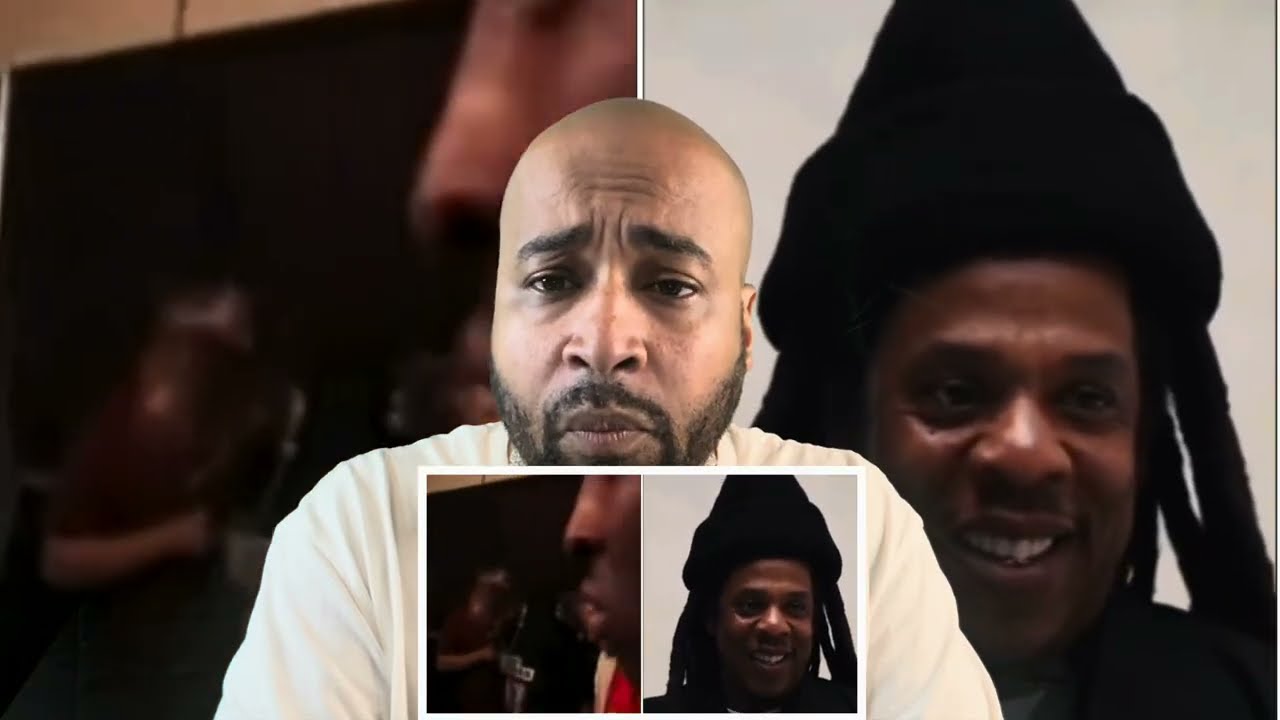
The impact of DMX’s stage presence was not lost on other artists. Juvenile, of Cash Money Records, shared a similar experience during the Cash Money Ruff Ryders tour. Cash Money performed first, and DMX went second. The reason was simple: no one wanted to go after DMX. “The way he rocked the crowd,” Juvenile said, “you couldn’t follow that.” It was a universal truth in hip hop at the time. DMX was not just a performer; he was a force that demanded the spotlight and left everyone else scrambling to find their footing.
Jay-Z’s respect for DMX transcends their competitive past. He called DMX “all passion,” a man who poured his entire soul into every bar, every scream, every prayer. DMX’s music hit a deep, soulful chord, connecting with listeners on a level few rappers have ever achieved. He could make a crowd roar with rage one minute and weep with catharsis the next. It was a gift, Jay-Z said, that he has never seen replicated. “He was one of the best to ever do it,” Jay-Z concluded, his words a eulogy for a lost giant.
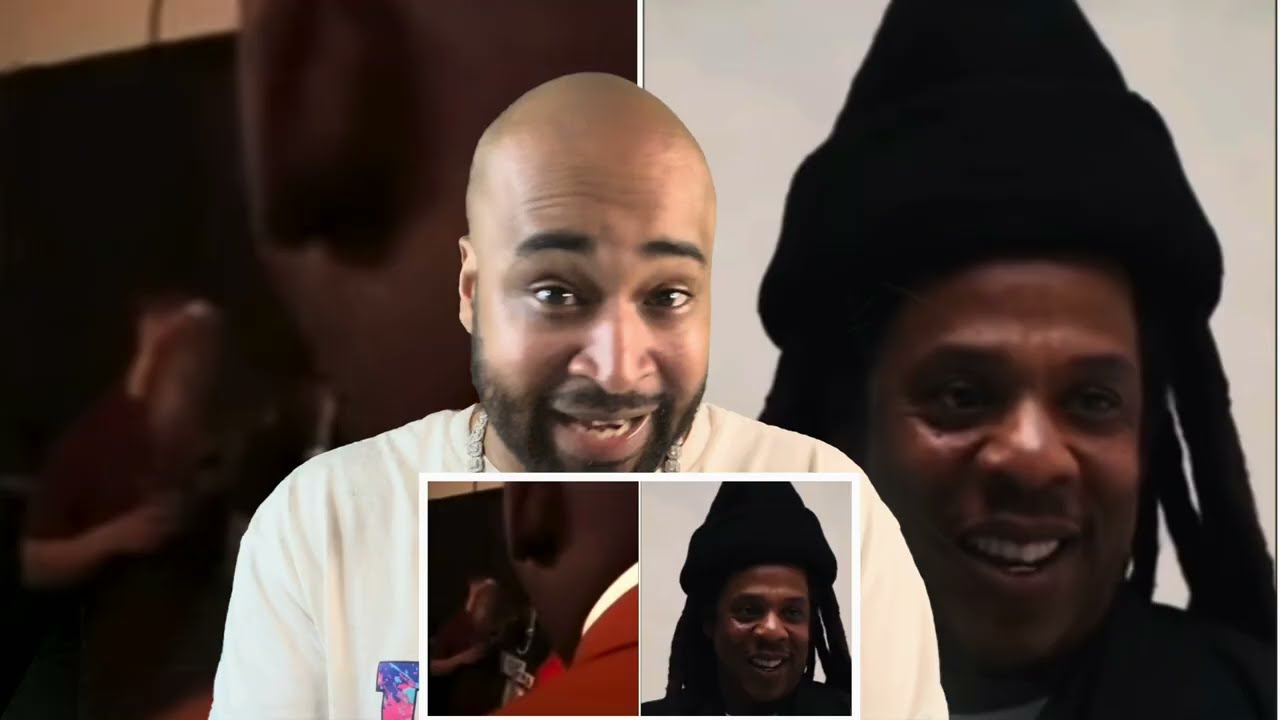
The legacy of DMX, who passed away far too soon, remains a towering pillar in hip hop. His demons were well-documented, but his artistry was undeniable. Jay-Z’s revelation offers a rare glimpse into the mutual respect that existed beneath the surface of their rivalry. It was a competition that pushed both men to greater heights, but for Jay-Z, the memory of DMX’s raw, unfiltered power on stage will forever define his admiration. “He improved my stage show,” Jay-Z said, a simple but profound admission from one legend to another.
As the hip hop community continues to mourn DMX’s loss, Jay-Z’s words serve as a powerful reminder of the man behind the music. He was a warrior on stage, a poet in the booth, and a soul laid bare for the world to see. Jay-Z’s respect is not just for the artist, but for the human being who gave everything he had every single time. In a world of calculated performances, DMX was a storm. And Jay-Z, the master of the game, will always bow to that storm.