Three months. That’s how long it had been since the attorney general’s office first asked Governor Katie Hobbs to sit down for an interview. Three months of delays, excuses, and silence from the governor’s side. Today, a local news crew decided to push the issue directly.
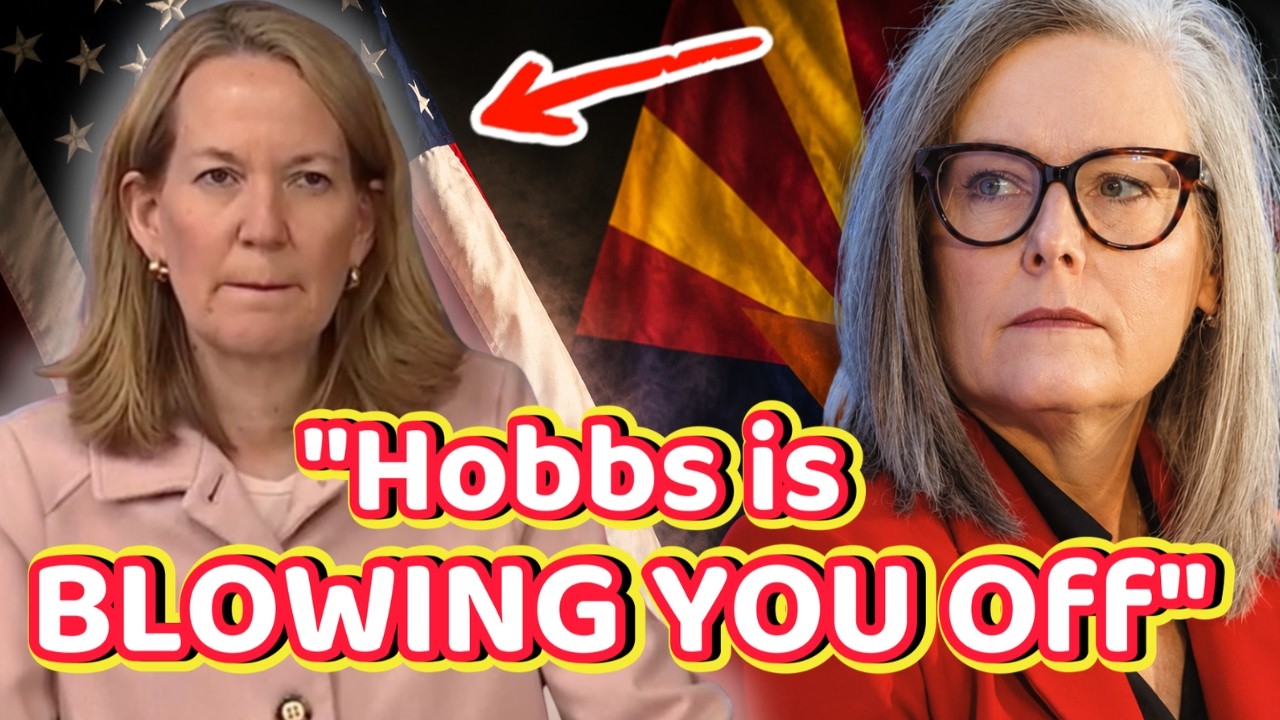
They cornered Arizona Attorney General Kris Mayes, who was up for re-election alongside Hobbs, and asked her straight: why was she letting the governor ignore her? “Why have you allowed the governor to basically ignore you on this? ” the reporter asked. “Can anyone ignore the attorney general of Arizona if they want to talk to them?
”
Mayes didn’t like that framing. “The answer is no. You can’t ignore the attorney general’s office. ”
“But the governor has done it,” the reporter countered.
“Well, I disagree with that characterization. Given the timeline, I don’t think the facts support that claim. ”
Mayes refused to discuss any details of the investigation, saying only that her office would get the information it needed. But when pressed on whether the probe would wrap up before the election—just 92 days away—she wouldn’t commit to a timeline.
“When we come to a conclusion in this investigation, we’ll announce it. ”
She wouldn’t even say whether Hobbs would ever sit for questioning herself. “Is there a possibility this gets done without the governor being interviewed at all? ” the reporter asked.
“I’ll decline to answer that question for now. ”
The evasion was obvious. And it was hard not to notice the political reality. Mayes and Hobbs were both Democrats, both running for re-election.
Meanwhile, Hobbs was facing three separate investigations: one by the attorney general’s office, one by the state auditor general, and one by Republican lawmakers who had hired an independent investigator. The core accusation? That Hobbs had awarded a lucrative state contract to a major donor who had contributed a six-figure sum to her campaign. A deal that looked suspicious, at best.
Governor Hobbs had denied any wrongdoing from the start, insisting she had followed the law. But she also refused to debate her Republican opponent, Andy Biggs. She had done the same thing in 2022, when she dodged a debate against Kari Lake. Her campaign said Hobbs preferred meeting voters face-to-face over what she called “political theater” designed to produce short soundbites.
They even pointed out that Biggs had skipped debates in past campaigns. Andy Biggs’s team responded with a cutting statement: Hobbs wouldn’t debate because “she thinks the rules don’t apply to her—which may be why she’s also under criminal investigation for corruption. ”
A few days later, Hobbs was asked directly about one of the more uncomfortable details of the scandal. A report had revealed that she had dined with the state contractor in question, along with her campaign manager and the man’s wife.
“Why would you do that with your campaign manager? ” a reporter asked. “It seems strange to do that with a government contractor. ”
Hobbs brushed it off.
“I never discussed his state contract with him. He’s a political supporter, and I often socialize with supporters. ”
Then the reporter pivoted: “Do you feel the need to resolve this before the November election? ”
“That’s not in my hands,” Hobbs said.
“I want the investigations to take their course. I look forward to them concluding that no wrongdoing has occurred. ”
But Biggs had his own baggage. Hobbs’s team brought up an old accusation: that during his time as president of the state Senate, Biggs had allegedly killed a bill that would have cracked down on a polygamist sect operating in Colorado City.
Republican colleagues had accused him of sabotaging the legislation. “That’s what that ad is referring to,” a political editor explained. “And I bet you’ll hear a lot more about it as the campaign goes on. ”
The process was messy.
The back-and-forth was constant. But the big picture remained: three open investigations, no conclusions, a governor who wouldn’t debate, and an attorney general who wouldn’t answer basic questions. The election was less than three months away. And everyone was wondering the same thing: would any of this come out before voters headed to the polls?
And if it did, would it even change anything?


