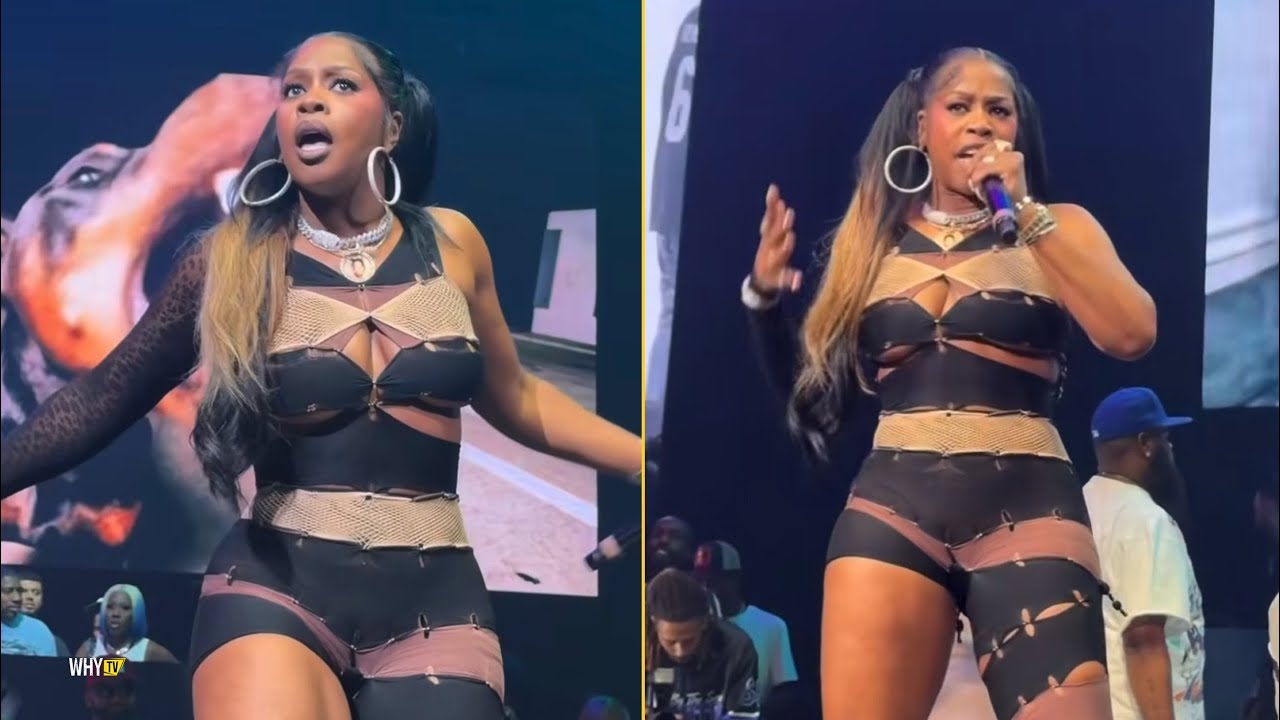
Hip Hop veteran The Game has ignited controversy with a sharp public warning aimed at Kendrick Lamar and Black Sam, Nipsey Hussle’s brother. During a recent concert, The Game loudly criticized their silence and lack of communication, alleging betrayal despite his early support for both artists. Tensions escalate in West Coast hip hop.
 The Game, known for his fiery and unfiltered remarks, used a live performance to express frustration. He claimed that despite helping launch Kendrick Lamar’s career and supporting Nipsey Hussle, he hasn’t been able to reconnect with Black Sam or Kendrick. The veteran rapper insisted there was no bad blood on his side, but the silence is deafening.
At the heart of the dispute is The Game’s assertion that he was instrumental in putting both Kendrick and Nipsey on the map. He emphasized that he took Kendrick on tour and showed unwavering loyalty, only to be seemingly ignored now that both are established. This perceived betrayal has stirred deep emotions in The Game.
The documentary album released by The Game highlights the current West Coast hip hop climate, but his concert comments steal the spotlight. His message was unmistakable: loyalty and respect should be mutual in an industry often plagued by shifting alliances. The accusations underscore ongoing tensions in LA’s rap circles.

During the concert, The Game lamented his efforts to reach Black Sam without success. He voiced confusion and disappointment over the lack of outreach, despite his ongoing respect for Nipsey Hussle’s legacy. The rapper’s urgent tone conveyed his desire to maintain bridges rather than burn them, yet the silence remains.
This fallout adds complexity to ongoing West Coast dynamics. Nipsey Hussle’s brother Black Sam recently dropped an album, raising hopes of collaboration with The Game. However, the absence of communication hints at unresolved conflicts and business fallout, reflecting the intricacies of loyalty and respect within the music community.

The Game’s candid remarks recall his longstanding reputation for speaking frankly, often stirring the pot when it comes to personal and professional relationships. He declared no intention of hostility, but firmly stated he wouldn’t tolerate being sidelined or forgotten by those he helped rise, signaling a clear warning from a hip hop heavyweight.
Fans and industry insiders are divided, debating whether Kendrick Lamar and Black Sam should re-establish ties with The Game. Some argue The Game deserves recognition for his early support, while others suggest the younger artists are justified in distancing themselves. This public dispute shines a harsh light on the politics of fame and friendship.

West Coast rap politics often weave complex narratives of loyalty, respect, and competition. The Game’s call-out magnifies these themes, exposing fragile alliances amid the pressure to honor legacies like Nipsey Hussle’s. The situation prompts urgent questions about unity and respect in an increasingly fragmented scene.
As this 𝒹𝓇𝒶𝓂𝒶 unfolds, the hip hop community watches closely. The Game’s unfiltered delivery and public airing of grievances are raising eyebrows and sparking conversations. Whether this tension results in reconciliation or further division remains to be seen, but the message is clear: respect and communication are non-negotiable in this game.