Hip hop fans, get ready for a deep dive into the roots of gangster rap! In a recent episode of the “Nation of High Occasion” podcast, legendary rapper and “Law & Order: SVU” star Ice-T opened up about his pivotal role in shaping this influential genre.
Reflecting on the evolution of hip hop from the vibrant sounds of the ’80s to the gritty narratives of the early ’90s, Ice-T emphasized the significant shift that occurred during this time. He recalled how artists like N. W.
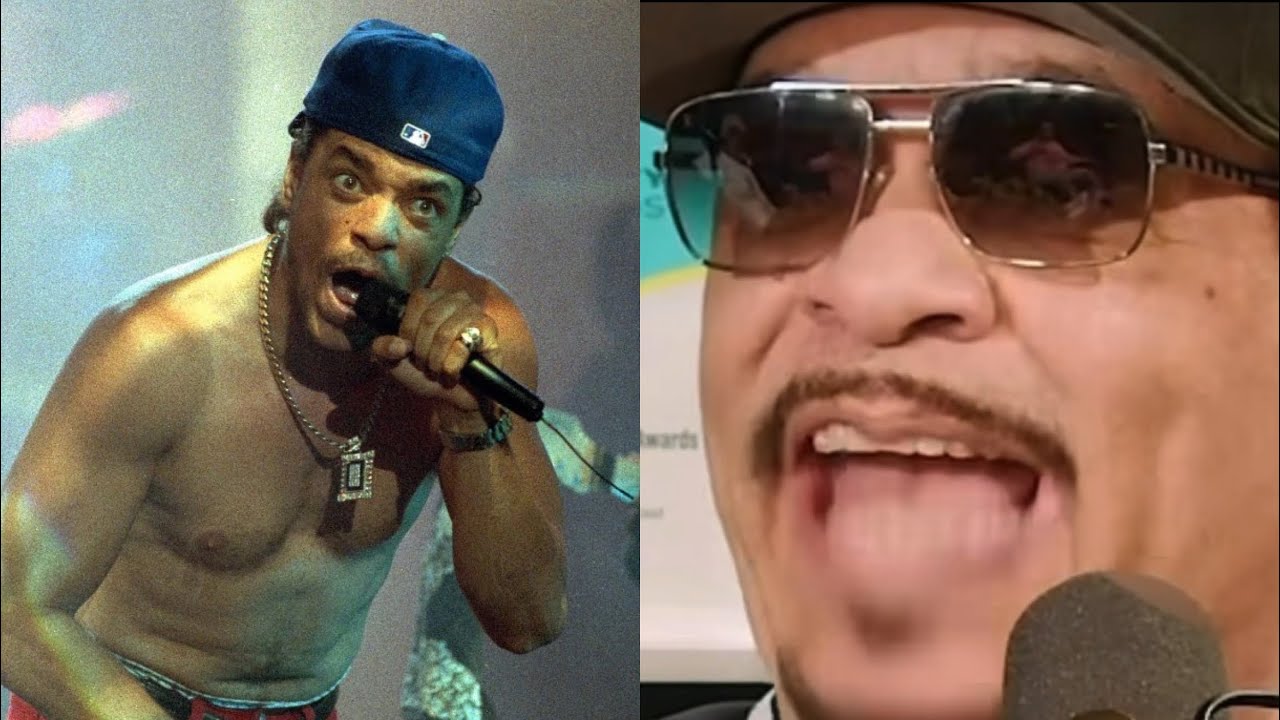 A. and Ice Cube emerged, marking a departure from the more positive messages of icons like KRS-One and LL Cool J.
In a captivating moment, Ice-T shared, “Schoolly D is the inventor of gangster rap. I popularized it.” He explained that the term “gangster rap” gained traction after Ice Cube’s iconic line in “Straight Outta Compton.”
 This pivotal moment in music history led to Ice-T embracing his identity as the “original gangster,” a title that would define his career and influence countless others.
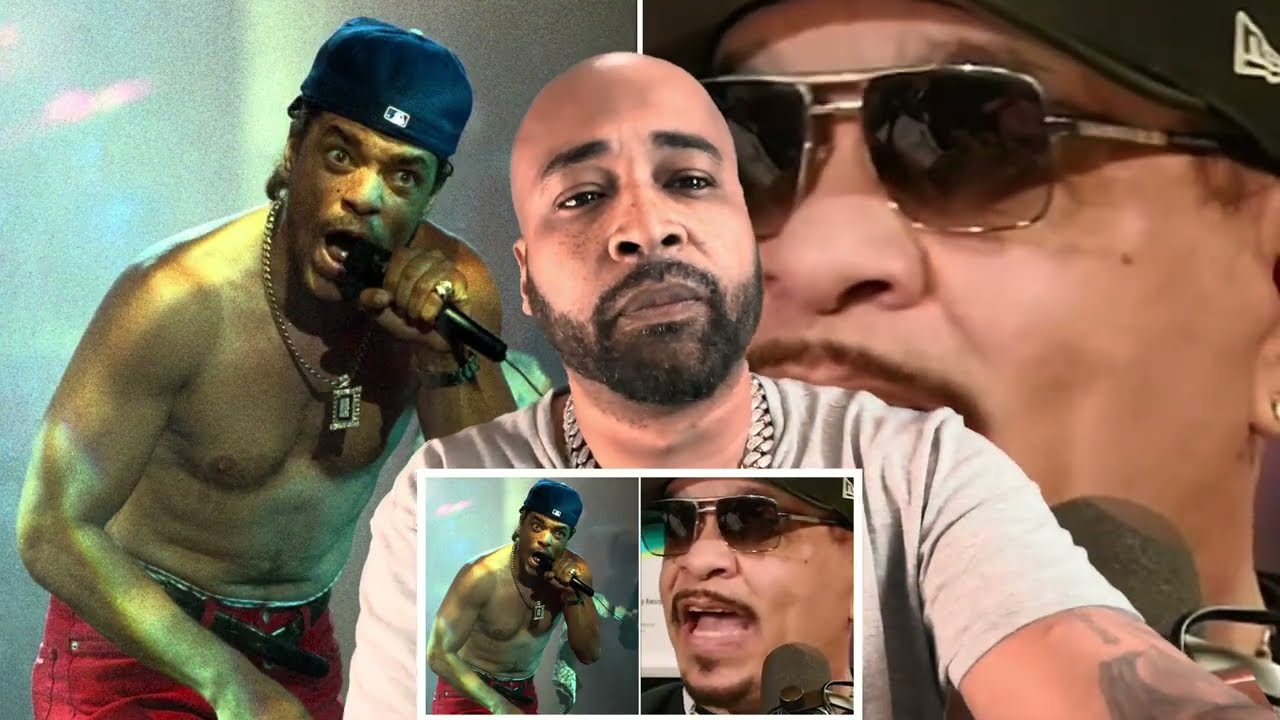 Ice-T reminisced about his early days, trying to fit into the New York rap scene. It wasn’t until a chance encounter with Russell Simmons that he realized he needed to represent Los Angeles authentically. Inspired by Schoolly D’s track “PSK,” which featured raw and powerful lyrics about gang life, Ice-T found his voice and direction.
 He recounted how the beat and lyrics resonated with him, igniting a passion for storytelling through music that reflected the realities of street life. The success of his own track “6 in the Morning” proved that there was a hunger for this new sound, paving the way for a genre that would dominate the charts and culture.
As Ice-T articulated, the transition from uplifting hip hop to gangster rap opened doors for various sub-genres, allowing artists to explore themes ranging from political issues to street narratives. This diversification has enriched the hip hop landscape, providing a platform for voices that might have otherwise gone unheard.
What are your thoughts on Ice-T’s insights into the origins of gangster rap? How do you feel about the impact of this genre on today’s music scene? Let us know in the comments!