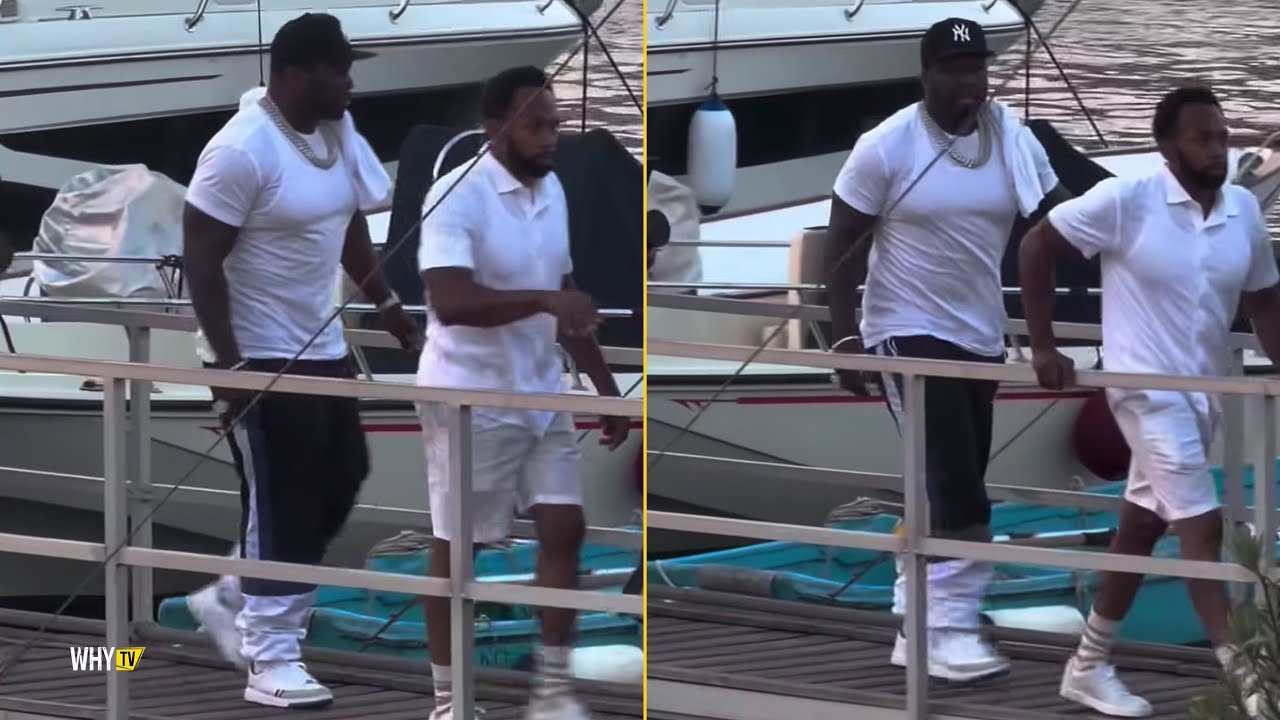
In a stunning revelation that has sent shockwaves through the hip-hop community, Tony Yayo has weighed in on the explosive allegations that rapper Pooh Shiesty paid hitmen a mere $5,000 each to orchestrate the armed robbery of Gucci Mane. The G-Unit member did not hold back his disbelief during a recent podcast appearance, calling the move reckless and financially nonsensical given the stakes involved.
The allegations stem from a brazen studio robbery in Texas, where Gucci Mane was reportedly held up by a group that included Pooh Shiesty, Big 30, and others. According to court documents and recovered text messages, the plot was allegedly designed to force Gucci Mane to release Pooh Shiesty from his record deal. Now, with Pooh Shiesty behind bars, the details of the payment have emerged, sparking outrage and disbelief across the industry.
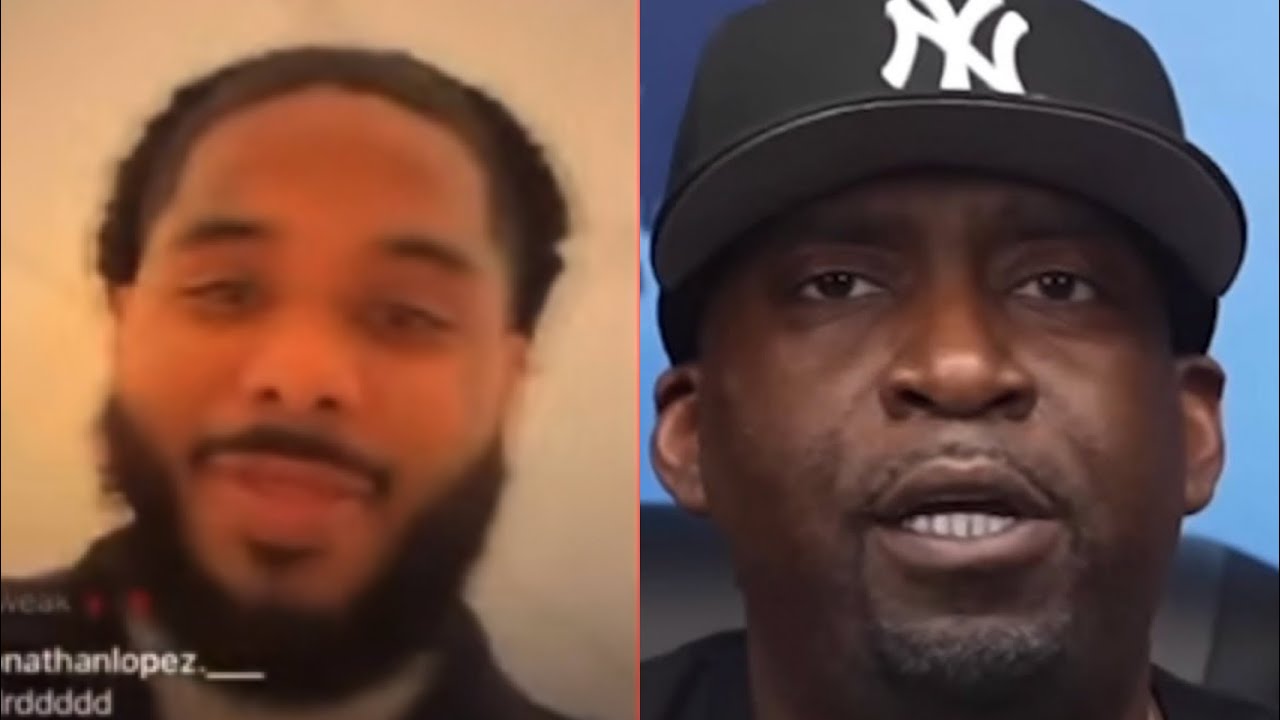 Tony Yayo, speaking on the Nation of Higher Education Daily Podcast, expressed his shock at the reported figures. He pointed out that the target of the robbery was a man worth an estimated $15 million, yet the alleged hitmen were offered only $5,000 per person. Yayo questioned the logic of risking federal time for such a paltry sum, especially when legal avenues exist to resolve contract disputes.
The transcript of the podcast reveals Yayo’s candid reaction: “Through the recovered text messages, Pooh Shiesty paid the guys $5,000 a piece to do the robbery. And this is all in paperwork? Damn.
One of the dudes in the text said, ‘5K piece for a $15 million hit.’ He was paying these dudes 5,000, and it’s on text. I just don’t get it, man.”
Yayo went on to compare Pooh Shiesty’s situation to that of other artists who have faced unfavorable contracts. He cited Drake as an example, noting that Drake fulfilled his obligations by dropping three albums in one day and then signing a billion-dollar deal elsewhere. The message was clear: there are smarter ways to handle business disputes than turning to violent crime.
The podcast host, O’Shea, echoed Yayo’s sentiments, calling the alleged payment “crazy crazy work.” He emphasized that $5,000 cannot even cover a good lawyer, let alone compensate for the life-altering consequences of a federal conviction. The host also pointed out the irony that Pooh Shiesty, who felt shortchanged by Gucci Mane, was now shortchanging his own crew.
Legal experts note that the charges against Pooh Shiesty are severe, involving armed robbery and conspiracy. With prior felonies on his record, he faces a mandatory minimum sentence of 10 years or more. The use of firearms and the involvement of multiple individuals only compound the legal jeopardy.
 Yayo remarked that the situation looks grim, especially with security footage and witness testimony.
The broader implications for the hip-hop community are troubling. Yayo warned that young artists often fail to understand the long-term consequences of such actions. He noted that the same mentality that leads them to sign bad contracts also leads them to make reckless decisions with their own crews.
The risk-reward calculus is completely out of balance.
“See, if I was Pooh Shiesty, this is how I would have handled it. Would have gone down to Mexico. Found some cartel connections.
Paid them dudes. Then one day like Gucci Mane’s car while it’s in the parking lot,” Yayo said, half-jokingly, before pivoting to a more serious tone. He stressed that the proper approach is to negotiate or fulfill contractual obligations, not to resort to violence.
 The podcast host added that the entire episode is a cautionary tale for the “young generation” who are “crashing out” over small amounts of money. He questioned what $5,000 can buy when weighed against decades in prison. The host also noted that the alleged hitmen themselves are now facing serious charges, all for a payment that would barely cover a month’s rent in many cities.
As the story continues to develop, fans and industry insiders are watching closely. Gucci Mane has not publicly commented on the latest revelations, but his legal team is likely monitoring the situation. Pooh Shiesty’s defense attorneys have not yet responded to requests for comment.
The case is expected to go to trial later this year.
Tony Yayo’s reaction has resonated widely, with many social media users echoing his disbelief. The hashtag #5KForAHit has been trending, with users mocking the lowball offer. Some have pointed out that even the most basic street robberies often yield more than $5,000, making this alleged plot seem amateurish and doomed from the start.
The incident also raises questions about the influence of record labels and the pressure on young artists. Pooh Shiesty, who rose to fame with hits like “Back in Blood,” was seen as a rising star in the Memphis rap scene. His legal troubles have derailed his career and put his freedom in jeopardy.
 The alleged robbery was reportedly an attempt to escape a contract he found exploitative.
However, as Yayo argued, there are established ways to handle such disputes. Lawyers, renegotiations, and even public pressure can be more effective than criminal acts. The music industry has a long history of artists feeling trapped by contracts, but few have resorted to armed robbery.
The consequences for Pooh Shiesty could set a dangerous precedent.
The podcast also touched on the role of Pooh Shiesty’s father, who was reportedly involved in the robbery. This familial connection adds another layer of tragedy to the story. Yayo expressed sympathy for the young rapper’s situation but maintained that the decision to use violence was inexcusable.
He urged Pooh Shiesty to listen and learn from the mistakes of others.
In the end, the tale of $5,000 hitmen and a $15 million target is a stark reminder of the disparity between perceived value and actual risk. For Tony Yayo, it is a lesson in basic economics and common sense. For the hip-hop community, it is a wake-up call about the dangers of mixing street mentality with business ambitions.
As the legal proceedings unfold, one thing is certain: this story will be studied for years as a case study in how not to handle a contract dispute. The nation of higher education, as the podcast calls itself, has delivered a harsh but necessary lesson. The only question now is whether Pooh Shiesty and others will heed it before it is too late.