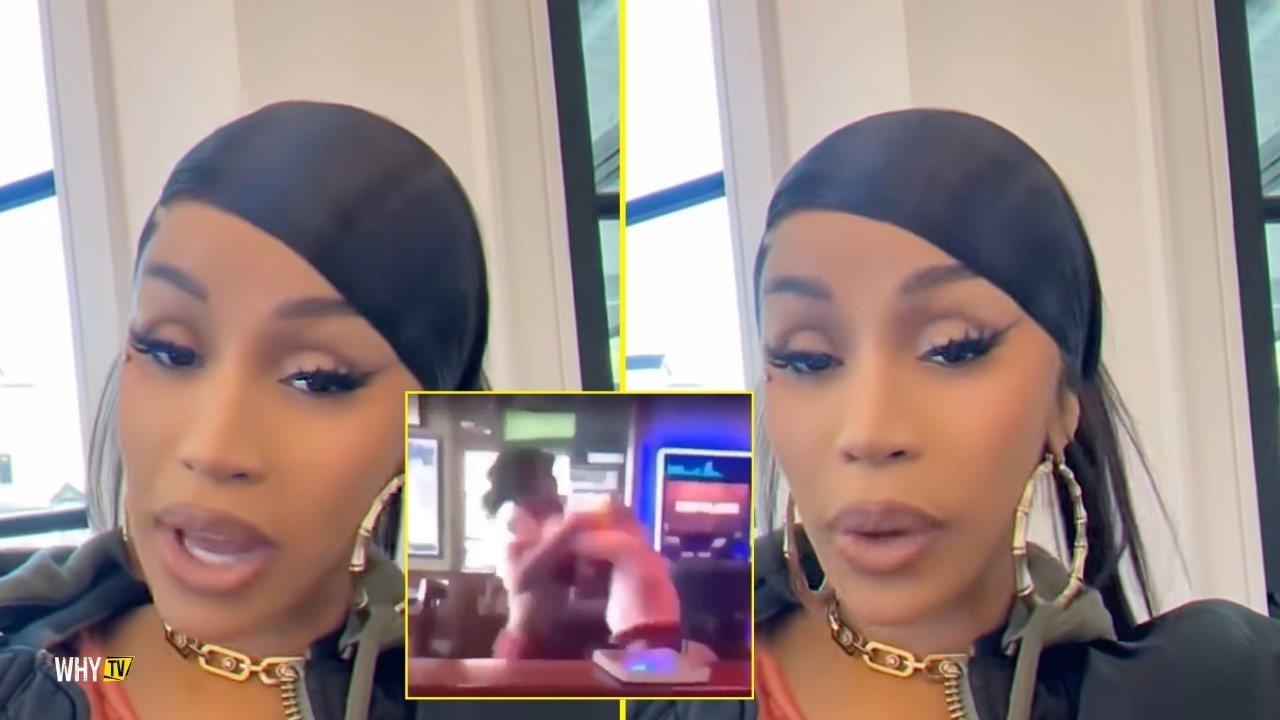
The long-simmering feud between Rick Ross and 50 Cent erupted into an all-out war Wednesday morning as Ross delivered a furious video response to 50 Cent’s relentless mockery over his disastrous album sales, telling the G-Unit founder directly: “Fifty, you are nobody!” The exchange, which unfolded across both artists’ social media platforms within hours, represents yet another detonation in one of hip-hop’s most bitter and enduring rivalries.
The conflict ignited early Wednesday when 50 Cent took to social media with a barrage of memes and taunting comments aimed directly at Ross’s latest album performance. The record moved just 22,000 units in its first week, a catastrophic figure for an artist of Ross’s caliber, followed by a staggering collapse to 20 copies in its second week. Fifty Cent seized on the numbers with characteristic glee, flooding timelines with comparison images designed to maximize public humiliation for the Maybach Music Group founder.
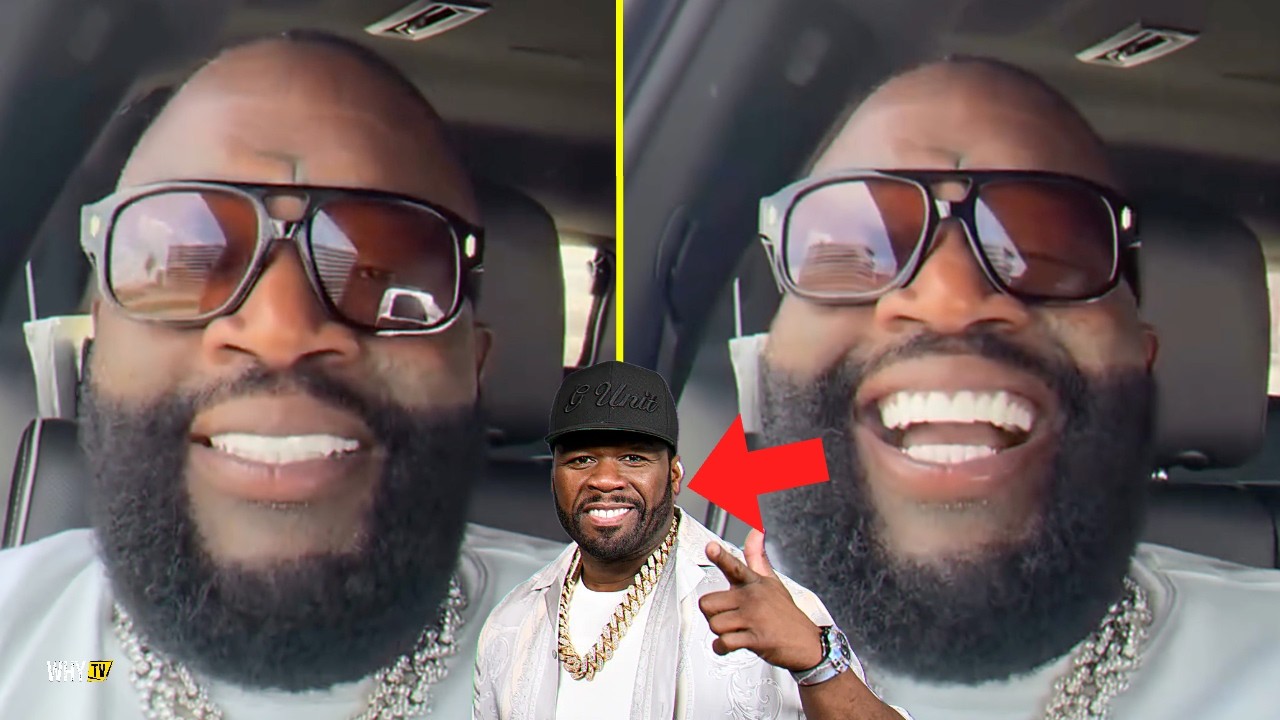 Ross, however, was not about to let the attack go unanswered. In a video posted to his Instagram story just minutes ago, the Miami native addressed the criticism head-on, suggesting that the numbers tell only half the story and that the wider music industry is dangerously saturated with inflated statistics. “As I said on my story yesterday, 22,000 the first week, 20 the second week, those drastic falloffs, guys, that you see with a lot of those other artists is when the numbers are inflated,” Ross said, his voice carrying equal parts defiance and disdain.
“The bots to me, the new flexes, no bots. Keep it genuine. Keep it pure.
Let the music fight any battles. You understand? Come on now.
This is the biggest boss,” Ross continued, effectively accusing his rivals of using automated streaming bots to artificially prop up their numbers while positioning himself as the last authentic voice remaining in the commercial rap game.
Ross did not stop at defending his musical output. He pivoted aggressively to attack 50 Cent’s business ventures, zeroing in on the G-Unit founder’s sneaker line with a specificity that suggested these criticisms had been marinating for years. “Do the long game, baby.
That’s how we hustling. That’s how we winning. We here 20 years later.
You know what I’m saying?” Ross declared, casting himself as the marathon runner while framing 50 Cent as a sprinter whose commercial peak has long since passed.
The sneaker barbs came fast and unrelenting. “Those Gun sneakers gonna be in Costco, baby. I like the Lloyd Banks ones better than all the other ones.
 Even got no sneakers. But 50, give Lloyd Banks his own high top sneaker,” Ross said, referencing the G-Unit sneaker line that 50 Cent has aggressively promoted in recent years. The Costco mention was particularly pointed, implying that the footwear has been relegated to discount retail distribution rather than commanding premium shelf space.
Ross also took direct aim at 50 Cent’s broader entrepreneurial empire, questioning why artists who allegedly inflate their streaming numbers cannot seem to convert that digital popularity into commercial success beyond music. “Why can’t these same people with all these followers sell other products outside of the music? Why that sneakers can’t sell?
Why that alcohol can’t sell? Why this genuinely got a gazillion people that could do this with your music the first week? Why everything else you do outside of music is unsuccessful,” Ross challenged, tying sales figures directly to overall commercial viability.
The response represents a significant escalation in a feud that dates back to the late 2000s, when both artists were at the absolute apex of their powers. Fifty Cent and Rick Ross dominated the rap game from opposing factions, and their rivalry has included diss tracks, physical altercations at industry events, and a continuous stream of public threats that have kept their names intertwined in headlines for over a decade and a half.
Industry analysts note that the landscape has shifted dramatically since those chart wars. Streaming has completely altered how album sales are calculated, and the rise of bots and automated listeners has created a Wild West environment where numbers can be manipulated with relative ease. Ross’s accusation about inflated figures taps into a growing industry conversation about the legitimacy of streaming-era chart performance, a topic gaining traction as labels seek remedies for what many describe as systemic fraud.
However, Ross’s “no bots” claim presents its own complications. While he maintains that his numbers reflect genuine fan support rather than artificial inflation, critics were quick to point out that a 22,000-unit first-week figure followed by a collapse to 20 units in the second week represents exactly the kind of drastic falloff he was attempting to attribute to bot-driven competition. The second-week number, if accurate, would represent one of the most precipitous drops in modern music history.
The “biggest boss” moniker carries significant weight in this context. Ross has branded himself under that title throughout his career, an image derived from the notorious “Freeway Rick Ross” 𝒹𝓇𝓊𝑔 kingpin and his self-presentation as a trafficking mogul turned music executive. The name has been a persistent source of contention between the two rappers, with 50 Cent repeatedly attempting to dismantle Ross’s street credibility by referencing his former career as a corrections officer in Florida.
 Ross’s closing remarks in the video seemed engineered to deliver maximum irritation, referencing 50 Cent’s recent shift toward television production and business ventures. “And since the free boy happening no more, you know what I’m saying? You can focus on the sneakers,” Ross added, suggesting that 50 Cent should redirect his full attention toward merchandise since his music career no longer commands the chart dominance it once did.
The reference to Lloyd Banks, the G-Unit rapper whose own career has experienced significant struggles in recent years, adds another complex layer to the exchange. By publicly expressing preference for Banks’s sneakers over 50 Cent’s own line, Ross appears to be sowing division within the G-Unit camp, a calculated psychological move designed to undermine 50 Cent’s leadership of the collective that made him famous.
Ross concluded with a series of rhetorical questions aimed at poking holes in 50 Cent’s commercial narrative before signing off with a final declaration of dominance. “Now the new flex is no bots. You the boat.
What Ricky Rose is. You know what I’m saying? You feel me?”
The cryptic but assertive closing reinforces Ross’s position that his longevity and brand authenticity will ultimately outlast whatever short-term victories 50 Cent might claim in the arena of social media mockery.
The feud’s ability to generate massive attention even in 2025 speaks to the enduring power of both brands. Fifty Cent and Rick Ross remain two of the most recognizable figures in hip-hop, each having successfully transitioned from recording artists to entrepreneurs in their own right, Fifty Cent with his television production empire and Ross with his Wingstop investments and cannabis ventures. Their continued conflict, while sometimes appearing trivial to outsiders, generates massive engagement across social platforms.
As of this reporting, 50 Cent has not yet issued a direct response to Ross’s latest tirade, but given the history between the two men, a counterattack is almost certainly imminent. Fans on both sides have already taken to social media to weigh in, turning the comment sections of both artists’ posts into battlegrounds in their own right. Hashtags related to both rappers were trending on Twitter within minutes of Ross’s video posting.
 Music industry observers note that this type of public feuding, while entertaining for fans, carries real commercial implications for both artists. The attention generated by the beef could potentially drive renewed interest in Ross’s album, which has seen its sales numbers slip dramatically after its opening week. Conversely, 50 Cent’s streaming numbers and television ratings could see a bump as new audiences discover the conflict and revisit both catalogues.
The question of authenticity in sales reporting has become increasingly central to hip-hop discourse in recent years. Major labels have been accused of using streaming farms and automated playlists to inflate artist numbers, creating a false economy in which chart positions no longer reflect genuine audience engagement. Ross’s decision to foreground this issue in his response positions him as a truth-teller in an industry that many believe has lost its integrity.
Yet the irony of Ross invoking authenticity while his own sales numbers have cratered is not lost on observers. Some argue that the 20-copies-in-week-two figure, if genuine, suggests that even his real audience has abandoned the project. Others counter that the artist’s longevity over two decades proves his point, arguing that sustained relevance matters more than first-week spectacle in an era of manufactured buzz.
The personal dimensions of this feud run deep. Fifty Cent and Ross have attacked each other’s mothers, children, and personal histories over the years, and this latest exchange follows that familiar pattern of escalation. Ross’s video response, while focused primarily on business and sales, carries an unmistakable undertone of personal animosity that has defined their relationship since the beginning.
For now, the ball is in 50 Cent’s court. His response, when it comes, is expected to be characteristically sharp and merciless. Given his track record, he is likely to address Ross’s “no bots” claim with a barrage of commentary questioning why an artist with supposedly genuine support cannot manage more than 22,000 first-week sales, or why the second-week number collapsed so dramatically.
This remains a developing story, and updates will follow as both artists continue to trade blows in what promises to be a marathon exchange. The hip-hop community is watching closely, and the next move in this decades-old war could come at any moment.