The hip-hop community was rocked to its core today as media mogul and serial provocateur 50 Cent unleashed a scorching social media assault on rap legend Lil Kim, dragging her dramatic physical transformation into the spotlight with a ruthless taunt that has already set the internet ablaze.
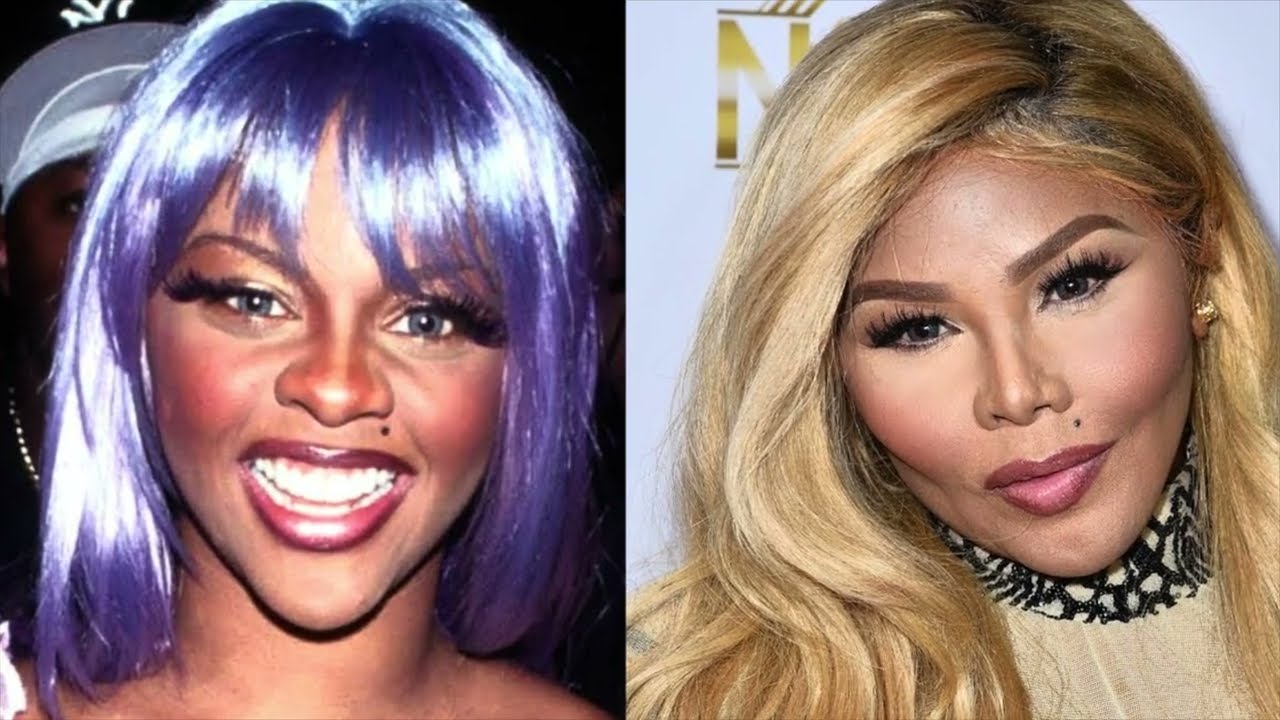
The G-Unit founder took to Instagram with a side-by-side comparison of the Queen Bee in her 1990s prime alongside her most recent red carpet appearance, captioning the post with a chilling, schoolyard-style jab: “CAN THEY FIX YO NOSE LOL!!!” The images, and the words attached to them, have ricocheted across every platform conceivable in the hours since.
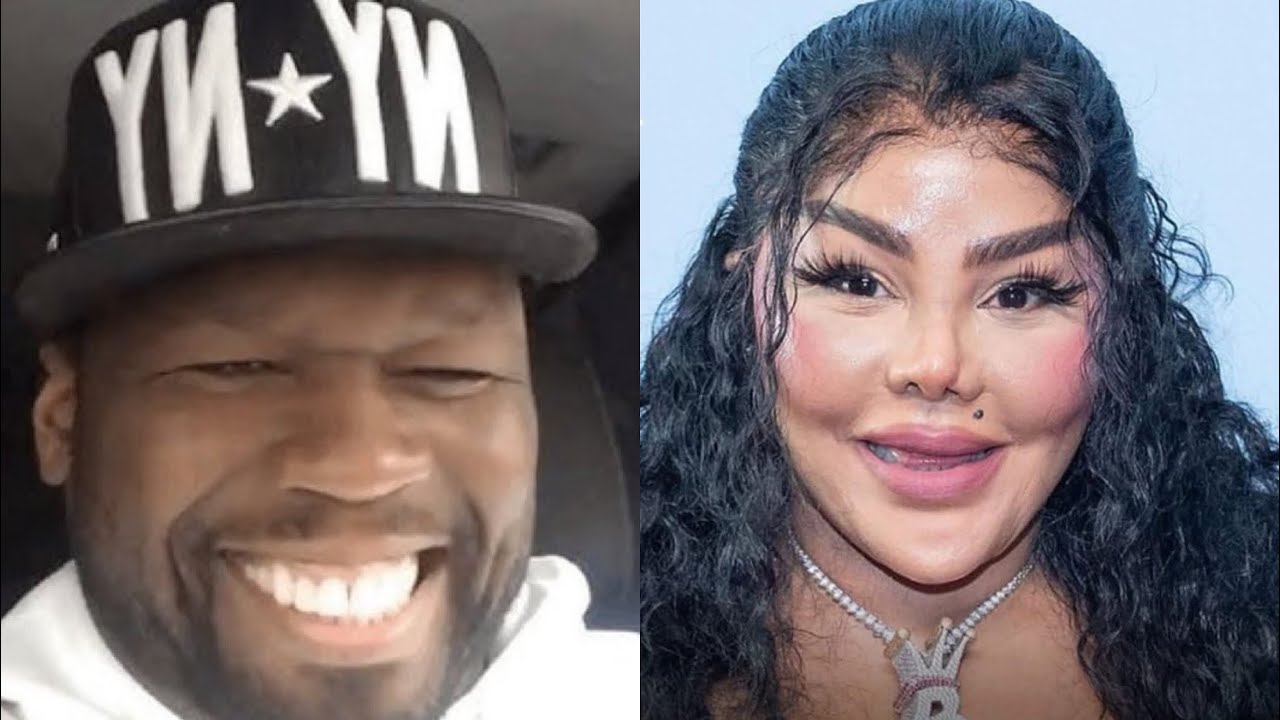 The trigger for this latest eruption was Lil Kim’s appearance at a high-profile entertainment event this week, where the Brooklyn-born icon debuted a look that left fans and onlookers stunned. The woman who once commanded the rap game with raw lyricism and an unmistakable natural charisma appeared to have undergone yet another radical phase of physical alteration.
For those who watched Lil Kim rise to prominence in 1996 and 1997 alongside The Notorious B. I. G.
as the fierce leading lady of Junior M. A. F.
I. A. , the current image is jarring.
The brown-skinned beauty who redefined female sexuality in hip-hop with her blockbuster debut “Hard Core” has progressively morphed into a figure that many longtime supporters struggle to recognize.
Observers have catalogued what appears to be an extensive and ongoing surgical journey, one that has reportedly included rhinoplasty, skin-lightening procedures, cheek fillers, lip enhancements, and countless other interventions. The cumulative effect, as visible in the latest red carpet photographs, is a face that has been fundamentally restructured, raising deeply uncomfortable questions about identity and self-perception.
50 Cent’s decision to pile on with this particular attack is not merely opportunistic. It lands with the weight of nearly two decades of simmering bad blood between two of New York’s most formidable musical talents. Their history, which predates his mainstream explosion in 2003, is littered with slights, subliminal shots, and overt hostilities that have never been fully resolved.
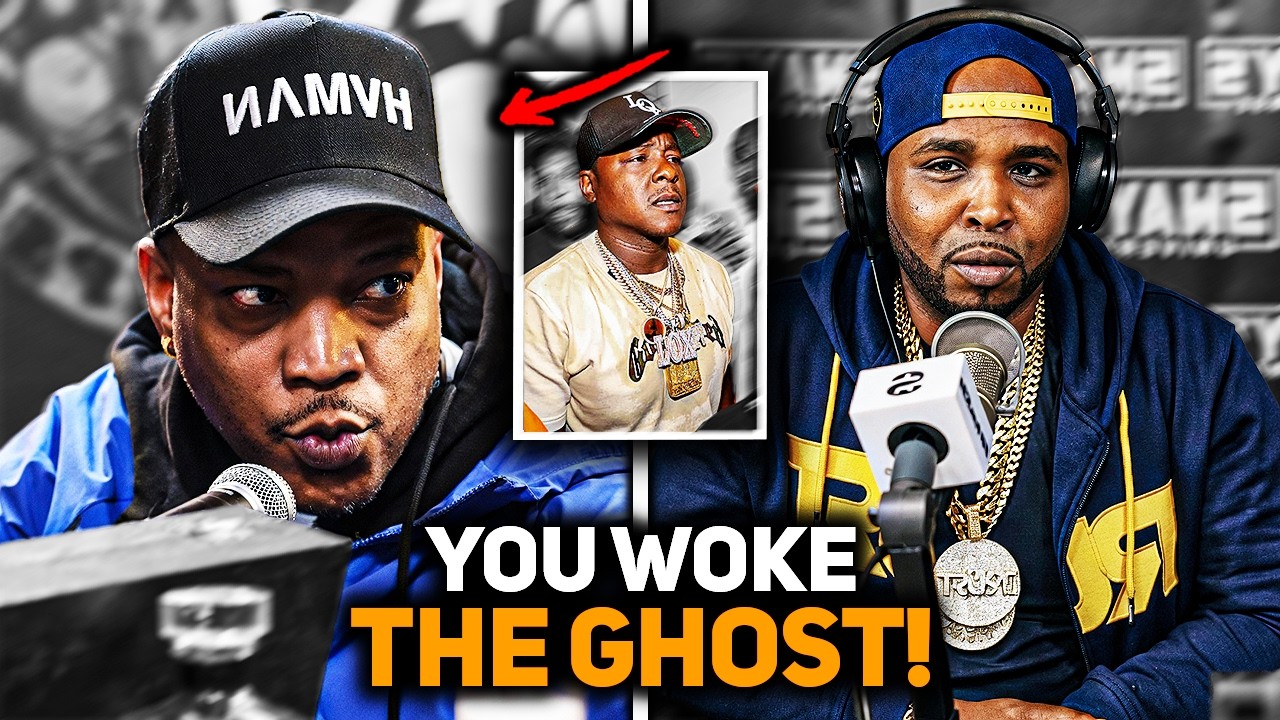
The podcast dialogue that has surfaced around this incident, featured on the “Nation of Hydration Daily” show hosted by O’Shea, breaks down the dynamics with unflinching candor. The host walks his audience through the visual transformation with a mix of disbelief and commentary, noting specifically how Lil Kim has gone from what he describes as a “brown skin cutie” to something unrecognizable.
O’Shea’s analysis, while pointed, stops short of excusing 50 Cent’s cruelty. He acknowledges that the mogul has a well-documented history of clowning his adversaries on social media, and given the animosity between 50 and Lil Kim, the host implies that this kind of public humiliation was almost inevitable. “They’ve got a history,” he notes, “and you know how that goes.”
The feud between 50 Cent and Lil Kim has its roots in the shifting alliances of the late 1990s and early 2000s New York rap scene. Lil Kim’s loyalty to the late Biggie Smalls and the memory of the East Coast dynasty he represented placed her in a complicated position as 50 Cent rose to power with a more confrontational, guerrilla marketing approach to stardom.
Over the years, the animosity has flared up periodically, with both artists taking shots at each other in interviews, on records, and increasingly through the social media platforms that have become the modern battleground for rap beefs. But never has 50 Cent’s targeting been as direct, as visceral, and as intimately cruel as this latest assault on Lil Kim’s face.
The immediate response from the public has been a chaotic mix of laughter, outrage, defensiveness, and uncomfortable truth-telling. 50 Cent’s social media comment sections are flooded with engagement, with supporters praising his unfiltered humor while detractors accuse him of crossing a line into misogyny and body shaming that has no place even in the rough-and-tumble world of hip-hop.
 Critics of the mogul’s behavior point to a broader pattern. Lil Kim, they argue, has been the subject of intense and often cruel scrutiny regarding her appearance for well over a decade. The pressures that contributed to the very transformation that 50 Cent is now mocking were, in large part, manufactured by a culture that demands women in entertainment remain eternally young and conventionally beautiful.
Supporters of Lil Kim have rallied around her with a flood of supportive messages on her own social media accounts, reminding her, and the world, that her legacy was built on talent, ferocity, and a radically honest artistic voice. They argue that her place in the pantheon of hip-hop greats is untouchable regardless of what she chooses to do with her face.
However, there is also a substantial contingent of commenters who, while perhaps uncomfortable with the delivery, acknowledge that 50 Cent has vocalized what many have quietly thought. The discussion about Lil Kim’s changing appearance has been a fixture of Internet culture for years, with forums, blogs, and YouTube channels routinely dissecting her most recent public appearances.
The conversation has expanded beyond the specifics of this feud into broader territory concerning cosmetic surgery, particularly within the Black community. The decision to alter one’s features, and specifically the reported choices around skin lightening, touches a nerve that runs deep through discussions of colorism, self-esteem, and the internalization of Eurocentric beauty ideals.
Plastic surgeons and dermatologists who have weighed in on the discourse point to a phenomenon known as over-surgery, where repeated procedures produce increasingly unnatural results. In Lil Kim’s case, the cumulative alterations have apparently masked the very features that once defined her singular beauty, creating a paradox where the pursuit of enhancement has resulted in the erasure of what made her unique.
Psychological experts have also joined the fray, contextualizing Lil Kim’s choices within the immense pressure cooker of celebrity culture. To have your face and body dissected nightly on social media, to be compared endlessly to your younger self, and to operate within an industry that consistently devalues aging female artists would take a toll on anyone’s mental health.
The podcast host, O’Shea, has framed the debate for his audience with a series of pointed questions: What do you think about Lil Kim before and after? Which version was better? Was 50 Cent’s comment justified given their history, or is this just another example of a powerful man using his platform to demean a woman?
The responses have been passionately divided.
For 50 Cent, controversy is a business model. Every 𝓿𝒾𝓇𝒶𝓁 moment he generates feeds attention to his various ventures, from his successful television empire to his signature line of champagne and spirits. He is acutely aware that outrage generates clicks, and clicks generate revenue.
This latest post is, from that perspective, extremely successful.
By positioning himself as the provocateur who says the unsayable, 50 Cent has built a second career as a digital-age troll king, a role he inhabits with evident relish and considerable skill. His targets range from former associates to political figures to fellow celebrities, but his treatment of Lil Kim has consistently carried a particularly cruel edge.
 That edge likely stems from the history that the podcast transcript references. There were years when Lil Kim was closely aligned with certain factions of the industry that 50 Cent viewed as adversaries. The specific grievances are numerous, but the result is a seemingly unshakable enmity that he is happy to maintain and weaponize at every opportunity.
Lil Kim, for her part, has not yet responded to this latest attack. Historically, she has not been one to turn the other cheek, and those who know her well expect some form of retribution, whether through a scathing social media post, a diss track, or an interview where she offers her version of events.
There is also the possibility that she will choose to ignore it entirely, recognizing that engaging with 50 Cent’s provocations only serves to amplify them. In an era where silence can sometimes be a powerful counter to trolls, the strategic calculation is a delicate one, and only time will reveal which path she chooses.
The broader implications of this incident extend far beyond the two artists involved. It serves as a stark and uncomfortable illumination of how the culture treats its female icons, particularly those who have aged out of the idealized youthful bracket that the entertainment industry so fetishizes.
Lil Kim was a pioneer. She was a woman who took control of her sexual identity and used it as a source of power in a genre dominated by men. She blazed a trail for countless female rappers who followed.
To see her reduced to the subject of mockery about her nose, in front of an audience of millions, feels like a defeat for something larger than just her.
Yet, the undeniable reality that many are grappling with is that her appearance has become a distraction from her legacy. Even her most devoted fans find it increasingly difficult to reconcile the artist they adored in the ’90s with the woman they see today, and this gap invites commentary, whether anyone likes it or not.
The question at the heart of this controversy, the one that the podcast host puts to his listeners with genuine curiosity, is deceptively simple: Which version of Lil Kim was better? The obvious and reductive answer, based on fan polls and comments, is the former. But the more complex truth is that beauty is not a competition, and a human being’s worth is not determined by their face.
The unfolding 𝒹𝓇𝒶𝓂𝒶 is a lesson in the velocity of modern information. A video posted on a podcast channel, featuring a red carpet appearance and a reaction from a mogul, has evolved into a global conversation about aesthetic standards, aged misogyny, and the responsibilities that come with massive online influence.
As the story continues to develop, with entertainment journalists scrambling to secure comments from representatives of both camps, the public is left to consume and process the fallout. The laughing emojis and the witty one-liners will continue to circulate, but beneath the surface, there is an unmistakable discomfort about what this moment represents.
What does it say about us, collectively, that we are entertained by this? What does it say about the culture that one of its most successful figures sees this as an acceptable and effective way to assert dominance? And what does it say about the standards we have imposed upon women in the spotlight, and the choices they make as a result?
 These are not questions with easy answers, and the divide in public opinion suggests that the culture itself is deeply conflicted. Some see 50 Cent’s comment as a rough-and-tumble expression of street humor, a no-holds-barred approach that has been part of rap culture since its inception. Others see it as bullying, pure and simple, with a misogynistic tint.
The entertainment industry, meanwhile, operates with a certain pragmatism. Feuds like this generate significant attention for all involved. Lil Kim’s name is trending in a way that it has not in years, and 50 Cent reinforces his status as an unignorable media force.
In the cold calculus of publicity, both sides stand to benefit.
That calculation does nothing to soothe the sting of the attack, however. Lil Kim is a human being, and the mockery of her appearance at such a visceral level has to hurt, regardless of her public persona and the armor that she has built up over decades in the game.
Fans have taken to demanding that 50 Cent direct his attention elsewhere, to point out that everyone ages and that men in hip-hop are rarely subjected to the same brutal scrutiny of their physical changes as women are. The double standard, they note, is glaring and persistent.
In the meantime, the meme factories are working overtime. Screenshots of 50 Cent’s post are being shared with various humorous annotations, and the discourse shows no signs of cooling off. The story has transcended the realm of hip-hop gossip and entered the broader cultural zeitgeist.
For those who have followed the careers of both artists from the beginning, there is a pervasive sense of melancholy about the whole 𝒶𝒻𝒻𝒶𝒾𝓇. These are two legends of the genre, icons who helped shape the sound and attitude of popular music, now locked in an unseemly public squabble about a woman’s nose.
The legacy of both figures is secure, but this moment will be remembered. It will be included in the endless montages of hip-hop beefs, in the retrospective articles about the genre’s contentious history, and in the ongoing examination of how social media has transformed the nature of public feuds.
Today, the news cycle belongs to 50 Cent and Lil Kim. Tomorrow, something else will capture our fleeting attention. But the questions that this confrontation has surfaced will linger, and the discomfort it has caused will persist.
The culture is talking, as it often is, and the conversation is far from comfortable.
As this story continues to develop, all eyes remain fixed on Lil Kim and the response, or lack thereof, that she will offer. Whether she chooses to fire back, to take the high road, or to say nothing at all, the reaction will shape the next phase of this narrative. For now, the world waits, the memes circulate, and the broken landscape of celebrity culture absorbs yet another seismic shock.