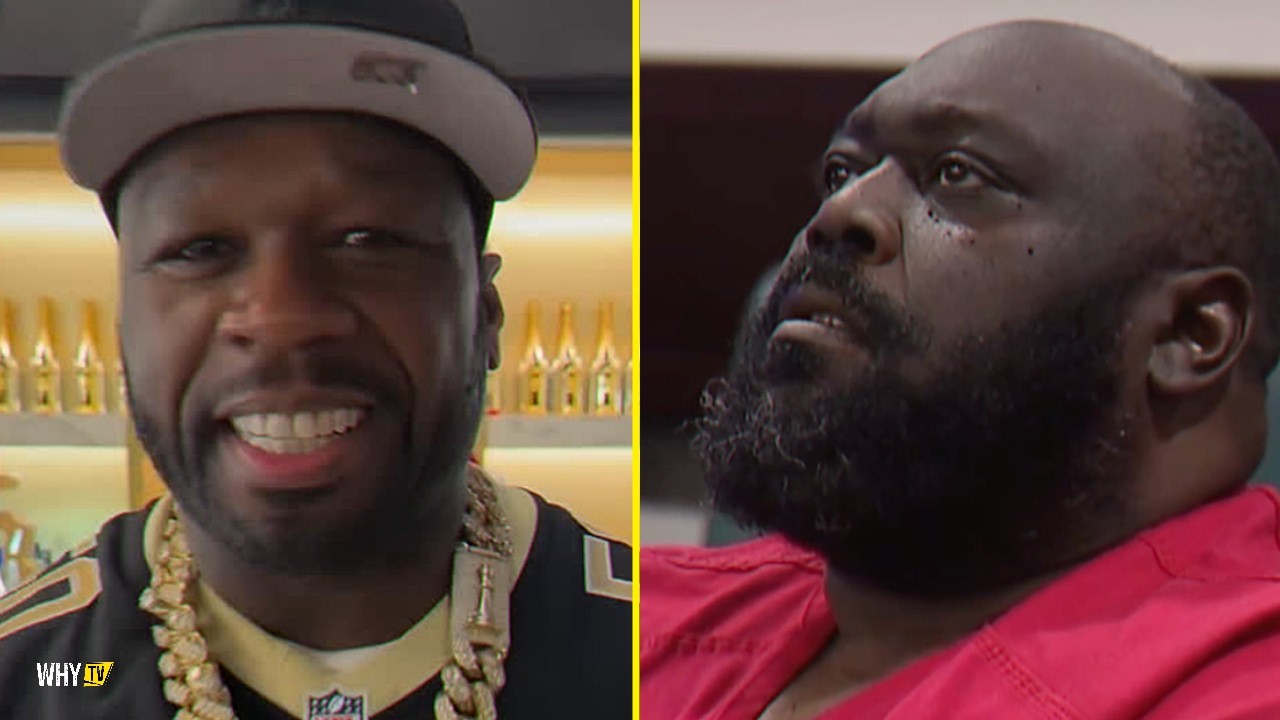
In a heated exchange that has reignited debates over loyalty and independence in hip-hop, Memphis Bleek has declared that Tony Yayo’s recent response to being labeled a dependent of 50 Cent unequivocally proved his point, validating the G-Unit stalwart’s place in the rap hierarchy. The comment came after video footage surfaced of Yayo addressing years of criticism head-on, a moment that Bleek says stripped away the narrative of sidekick and revealed a man ready to stand alone.
The video transcript, now circulating widely across social media and hip-hop news outlets, captures Tony Yayo at his most direct. When confronted with the charge that his career hinges entirely on 50 Cent’s success, Yayo fires back without hesitation. His retort is sharp and unapologetic: “If if 50 stop this for a year, it’ll be over.
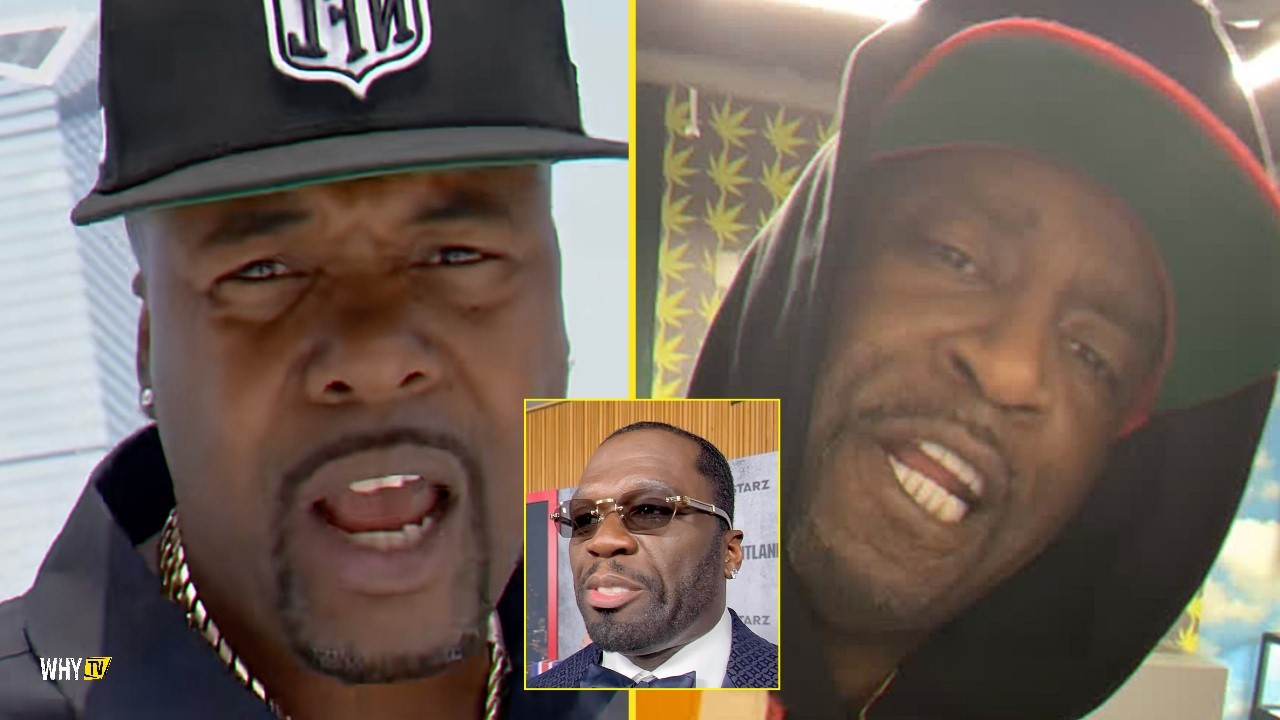 I would be IN THE TRAP. WHAT IS YOU talking about?” The words hit like a punch, challenging anyone who doubts his ability to survive and thrive independent of his longtime collaborator.
Memphis Bleek, a fellow veteran of the Roc-A-Fella era and no stranger to being overshadowed by a superstar labelmate, weighed in with a perspective that only someone who has walked that line can offer. Speaking to a select gathering of industry insiders, Bleek stated unequivocally that Yayo’s response was not just defensive posturing but a moment of clarity. “He made his point crystal clear,” Bleek asserted, “showing that he’s more than just a sidekick and deserves his own respect in the game.”
The dynamic between Tony Yayo and 50 Cent has always been built on a foundation of loyalty that stretches back to their pre-fame days in Queens, New York. Yayo was one of the first to be pulled into the G-Unit orbit when 50 Cent exploded onto the national scene after the release of “Get Rich or Die Tryin'”. Their partnership has weathered legal battles, industry feuds, and personal tragedies, but the label of “dependant” has clung to Yayo more stubbornly than any hit single.
Critics have long pointed to Yayo’s relatively modest solo success compared to 50 Cent’s global dominance as evidence of his secondary status. Albums like “Thoughts of a Predicate Felon” received mixed reviews and modest sales, while his fellow G-Unit member Lloyd Banks carved out a more distinct identity. But Yayo has never accepted that framing, and his latest outburst suggests a simmering frustration that has finally boiled over into public view.
Memphis Bleek’s endorsement carries weight because he himself has navigated a similar narrative. As the longtime lieutenant of Jay-Z, Bleek was often cast as the loyal soldier who never reached the throne. Yet he built a respectable career with albums like “The Understanding” and “M.
A. D. E.”
and maintained his dignity throughout. When Bleek says Yayo proved his point, he is speaking from a place of hard-earned authority, recognizing a kindred spirit who refuses to be reduced to a footnote in another man’s story.
 The clip that sparked this fresh controversy shows Yayo in a confrontational mode, his eyes locked on the camera as he dismantles the premise of the question. “I would be IN THE TRAP” is not just a boast about street credibility but a declaration of self-sufficiency. He is asserting that his skills, his hustle, and his network exist entirely apart from 50 Cent’s shadow.
The phrase “WHAT IS YOU talking about?” serves as both a challenge and a dismissal, as if the very idea is beneath him.
Industry observers note that this moment arrives at a time when G-Unit’s legacy is being reassessed in hip-hop’s rearview mirror. The group’s influence on the early 2000s sound and culture is undeniable, but individual members have often struggled to escape the collective identity. Memphis Bleek’s commentary suggests that Tony Yayo’s pushback is part of a larger reckoning within the genre, where second-in-commands are finally demanding their due respect.
The response from fans has been sharply divided. Some social media users applaud Yayo for finally speaking his truth, with one popular tweet reading, “Tony Yayo just said what we all knew: he’s been holding back. That line about the trap is real.”
Others, however, remain skeptical, arguing that actions speak louder than words and that Yayo’s career data doesn’t support his claims. The debate underscores how deeply the “dependant” label has embedded itself in his public image.
Memphis Bleek’s analysis digs deeper into the psychology of the situation. He points out that the loyalty Yayo shows to 50 Cent is often misread as subservience, when in fact it is a strategic alliance that benefits both parties. “People forget that 50 trusts Yayo with his life,” Bleek said.
 “That kind of bond can’t be faked, and it doesn’t mean Yayo can’t stand on his own. It means he chooses to stand together.”
The video transcript also hints at a broader existential threat: the possibility that if 50 Cent were to step away from the spotlight for a year, the entire G-Unit apparatus might crumble. Yayo’s insistence that he would survive “IN THE TRAP” suggests he is already preparing for that contingency. This is not a man caught off guard by the prospect of independence but one who has already envisioned a future without the safety net.
Memphis Bleek’s validation could shift the narrative, at least among those who respect his perspective. In an industry where beefs are often performative and alliances are transactional, Bleek’s words carry an authenticity that resonates with fans who have followed both his and Yayo’s careers from the beginning. He is not defending a friend blindly but analyzing a moment that he believes reveals a deeper truth about hip-hop’s power structures.
As the news spreads, calls are growing for Yayo to back up his bold words with concrete moves. Could a solo project be on the horizon? Might he launch a label or a business venture that proves his autonomy?
The hip-hop community is watching, and Memphis Bleek’s endorsement has added fuel to the fire. Whether Yayo capitalizes on this moment or lets the controversy fade will determine if his point truly stands the test of time.
In the meantime, the video itself has become a rallying cry for those who feel that supporting cast members in hip-hop are often undervalued. The phrase “I would be IN THE TRAP” is now being used as a meme, a badge of honor, and a retort to anyone who questions someone’s independence. It has taken on a life of its own, and Memphis Bleek was right to call it a definitive statement.
 The broader implications for G-Unit as a brand are significant. If Tony Yayo can successfully reposition himself as a self-made figure rather than a dependent, it could open doors for other artists who have been unfairly typecast. Bleek’s own journey from Jay-Z’s protégé to a respected elder statesman of New York hip-hop serves as a blueprint for such a transformation.
What remains to be seen is how 50 Cent himself will react. The two have a relationship that has weathered countless storms, including public disagreements and legal entanglements. 50 Cent’s silence so far might indicate that he trusts Yayo to handle this narrative on his own terms, or that he simply does not see the need to respond to what he considers a non-issue.
Memphis Bleek’s intervention, however, ensures that this story will not disappear quietly. By framing Yayo’s outburst as a proof point, he has given it historical weight. In a genre that often rewards reinvention, Tony Yayo may have just written the first chapter of his next act.
The rap world is now waiting to see if he will turn that verbal punch into a lasting legacy.
As the breaking news continues to develop, we will bring you updates from both camps, industry reactions, and any new video or audio statements that emerge. For now, one thing is clear: Tony Yayo is no longer content to let others define his place in the game. And with Memphis Bleek in his corner, he has a powerful ally who believes the point has been made beyond any reasonable doubt.