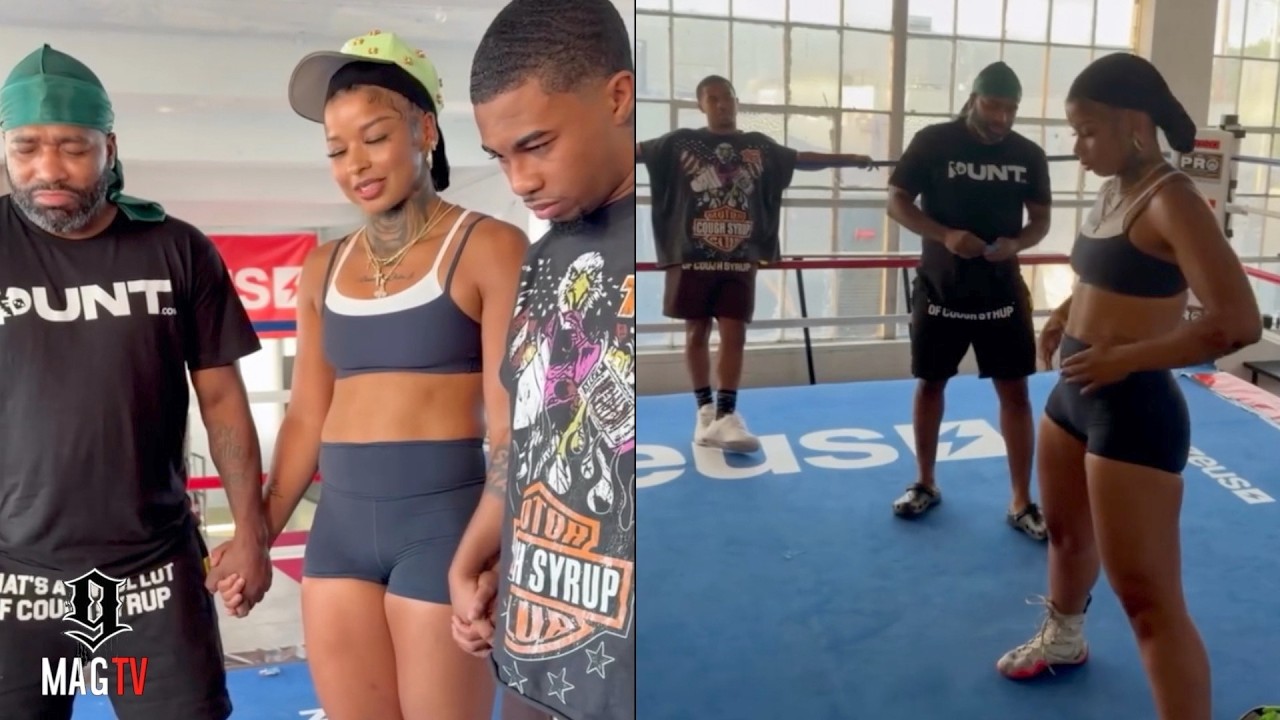
In a candid and explosive reaction, King Harris, son of T.I., has openly criticized Lil Baby’s latest track “Dead Fresh” featuring Pharrell, declaring that a specific line “f**ked up the swag” of the entire song. This unexpected commentary has sent shockwaves through the hip-hop community, igniting intense debate about artistic expression and respect in rap collaborations.
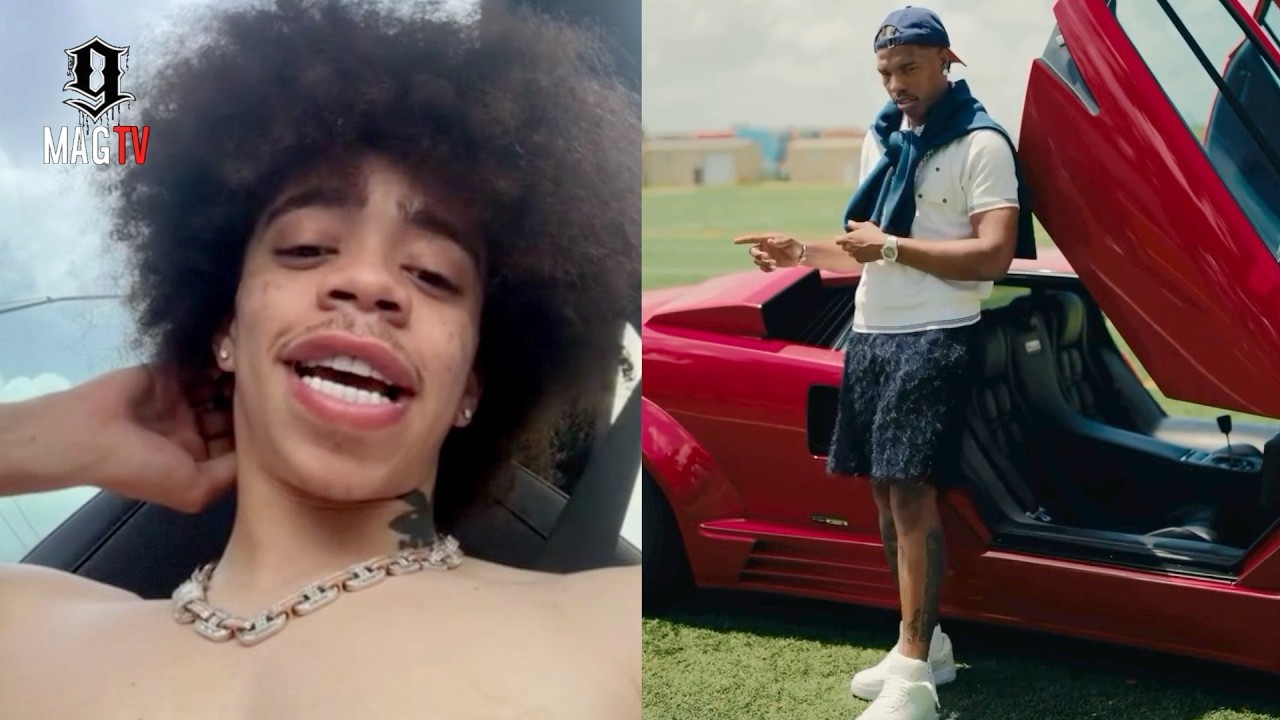 King Harris wasted no time sharing his raw, unfiltered opinion on the song, expressing initial appreciation before zeroing in on the lyric where Lil Baby mentions Pharrell’s beat. He described this moment as disrupting the cool vibe, likening it to unnecessarily inserting someone’s name into a feature, which he felt felt “out of nowhere.” This critique isn’t just about the lyric itself but about preserving the artistic integrity and natural flow within hip-hop tracks.
He elaborated on his perspective by drawing from personal experience, acknowledging that he’s made similar artistic missteps. However, King emphasized that despite the bar not being outright bad, it came across as forced and “up the swag” — a way of saying it diminished the song’s overall impact and authenticity. The son of T.I. pointed out Lil Baby’s own confidence and reputation suffices without such awkward name-drops.
Beyond dissecting the song, King delved into deeper commentary about masculinity and vulnerability, addressing how men handle criticism and emotional expression. He urged his generation to “stand in the pain” and resist the urge to retreat emotionally, specifically highlighting how societal expectations pressure men to suppress feelings and embody toughness. This layered insight adds gravity to his critique of the song’s lyrics.
King also touched on the weight of opinions in the music industry, stressing that his views are personal and do not carry official weight. His message advocates for respectful discourse rather than cancel culture or aggressive backlash, recognizing that everyone makes mistakes. This nuanced stance seeks balance, urging fans and artists alike to respect differing viewpoints and the varied ways people grow up and express themselves.

He expressed concern over the implications of pushing certain narratives about gender roles, especially on impressionable youth. King warned against “overdoing it” or artificially manufacturing trends that could confuse or mislead listeners about what it means to be a man. His call for organic growth and mutual respect in art and society underscores his broader philosophy captured during the reaction.
Throughout his commentary, King’s tone remains sharp but thoughtful—critical yet empathetic. He acknowledges the complexity of artistic collaboration and audience reception, advocating for understanding both the creator’s intentions and the listener’s experiences. This level of candid honesty from a young figure closely connected to hip-hop royalty adds a compelling voice to ongoing conversations within the culture.
This public reaction has quickly reverberated across social media platforms, prompting fans, critics, and artists to weigh in on the debate over artistic choices and personal authenticity in a rapidly evolving genre. The tension between commercial success, creative control, and fan expectations remains at the forefront of hip-hop culture, spotlighted vividly by King’s remarks.

As the dialogue unfolds, industry insiders and observers will watch closely for Lil Baby’s response, if any, to this pointed feedback. King’s critique highlights the heightened scrutiny top-tier artists face and the delicate balance they must navigate between innovation and preserving their unique artistic sway. The stakes are high as this conversation touches on core aspects of identity and expression in modern rap.
This moment marks not only a flashpoint of opinion about a single track but also a broader reflection on how youth voices within hip-hop perceive and challenge the status quo. King Harris’s unvarnished insights could encourage more open dialogues about respect, growth, and the evolving definition of masculinity in music and beyond.
The backlash and support sparked by King’s frank reaction illustrate the power of hip-hop as a cultural force that continuously pushes boundaries and invites reflection. The intersection of artistry, personal values, and public reception remains a dynamic and sometimes contentious space, with figures like King navigating it with both candor and care.

The discussion ignited by this reaction underscores how even subtle choices in lyrics and features can profoundly impact a song’s reception and cultural resonance. It serves as a reminder that artists, whether emerging or established, operate within a complex web of expectations, heritage, and creative freedom that shapes their work and how it is perceived.
Fans and commentators remain divided as they unpack King’s statements, weighing the legitimacy of his critique against Lil Baby’s artistic vision. This discourse exemplifies the vibrant, ongoing debate within the hip-hop community about authenticity, identity, and the evolution of sound and message in contemporary music.
Ultimately, King Harris’s candid remarks about “Dead Fresh” have surged beyond a simple music review, becoming a catalyst for important conversations around respect, masculinity, and artistic integrity at a critical moment in hip-hop’s cultural narrative. The ripple effects of his words continue to unfold, demanding attention from artists and audiences alike.