The atmosphere inside the notorious Death Row Records label has been reignited with explosive new claims from former Eastside member Tray Deee, who has broken his silence on the long-rumored chain snatching of Warren G. In a startling interview, Tray Deee detailed how the legendary producer and rapper was robbed of his chain in a brazen act allegedly orchestrated by Suge Knight and members of the Bloods gang, and then revealed how he intervened to retrieve the stolen jewelry, swearing that no one under his watch would be disrespected.
The incident, which sources say took place in the mid-1990s at the Can-Am studio complex where Death Row operated, has been a topic of whispered conversations in hip-hop circles for decades. Now, Tray Deee, whose real name is Tracy D. Davis, has provided a firsthand account of the tension, violence, and ultimate resolution that defined the era.
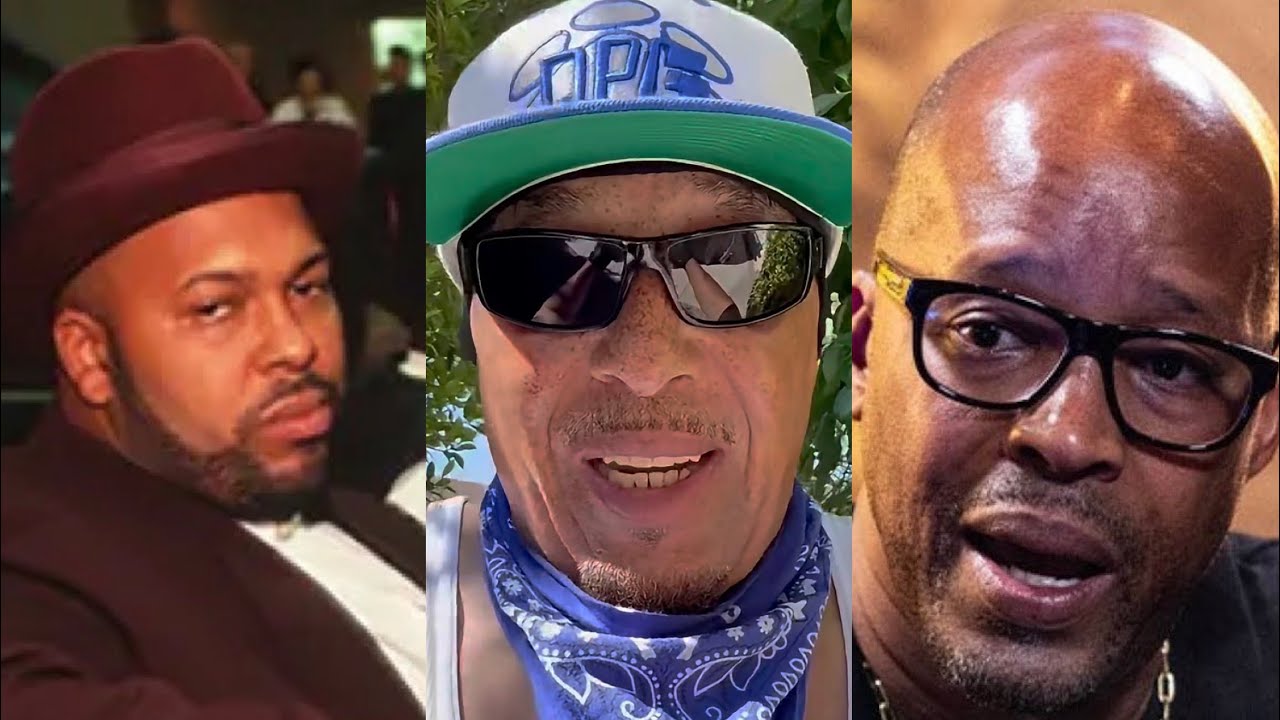 According to the rapper, Warren G had his chain snatched in the parking lot by individuals linked to Suge Knight and his Bloods-affiliated security team, triggering a chain of events that nearly erupted into all-out war between the rival gangs inside the label’s walls.
“They snatched Warren’s chain in the parking lot of K&M in like ‘95, ‘96, something like that,” Tray Deee recounted. “Warren went and got C-Style, and they went and hollered at Suge.” The rapper described how Suge Knight brought Warren G and C-Style into a private room inside the Can-Am studio, a room with a large red Death Row rug marked with a Doberman Pinscher and dog bone.
“It was a lot of theatrics,” Tray Deee said, but he made it clear that he was not about to let the situation slide.
Tray Deee, who was inside the studio at the time, recalled that when Warren G and C-Style entered the room, he immediately took a stand. “We wasn’t leaving unless he was getting his chain back or something else was going to happen. We wasn’t having no sucker stuff going on around me,” he stated bluntly.
Approximately 30 minutes later, Warren G emerged wearing a six-four chain, confirming that the stolen property had been recovered. But the tension did not dissipate easily.
The rapper’s account sheds new light on the volatile culture inside Death Row, where Bloods and Crips were working side by side during a period of intense gang conflict. Suge Knight, the label’s infamous CEO, was known for using fear and intimidation to control his artists and business partners. Tray Deee did not mince words about Suge’s behavior, calling it “excessive” and “perverted,” referencing incidents where Suge allegedly forced rivals to drink urine and humiliated them.
“That’s karma,” Tray Deee said. “He ran roughshod over the whole industry for years, and everybody gets their just deserts.”
The rapper made it clear that while he did not personally witness Suge Knight’s more extreme acts of violence, he heard stories that disturbed him. “I don’t agree with that kind of punishment for trivial matters,” he said. He noted that Suge’s behavior, including making people strip naked, went beyond simply checking someone and bordered on perversion.
“I didn’t get that part of it,” Tray Deee added, referring to Suge’s obsession with humiliation.
 But the most explosive part of Tray Deee’s interview was his defense of his own crew, the Dogg Pound, during his time at Death Row. He insisted that none of the beatings or chain snatchings that Suge’s security team is famous for occurred while he was present. “When I was there with Dogg and Kurupt and all, none of that slap Snoop, took this and that happened.
We weren’t having that,” he declared. The rapper explained that he and his clique refused to be bullied, and that his prior time in Youth Authority and prison with members of Suge’s security team gave him a level of respect that prevented any conflicts from escalating.
“We had done time together, so they could vouch for who I was,” Tray Deee said. “It was like, ‘Let’s raise eat, man. We ain’t tripping.’”
This camaraderie, built on shared experiences in the prison system, allowed Tray Deee to navigate the treacherous waters of Death Row without his crew being victimized. He emphasized that Suge’s threatening image was largely contained to his inner circle and that outsiders like the Dogg Pound rarely had direct interaction with the label boss.
The chain snatching incident involving Warren G was a tipping point, as Tray Deee explained. When Warren G came into the studio with C-Style and explained what happened, Tray Deee immediately stepped in. “I was like, ‘Man, y’all come in.’
They closed the door, and I just sat outside. 25, 30 minutes later, Warren had his chain back.” The rapper refused to leave the studio without a resolution, warning that the alternative would be far worse.
“We wasn’t leaving unless he was getting his chain back or something else was going to happen,” he repeated.
This story exposes the raw, dangerous underbelly of one of hip-hop’s most iconic labels. Death Row Records, founded by Dr. Dre and Suge Knight, became the epicenter of gangsta rap, but it also became a war zone where rival gang affiliations spilled over into everyday business.
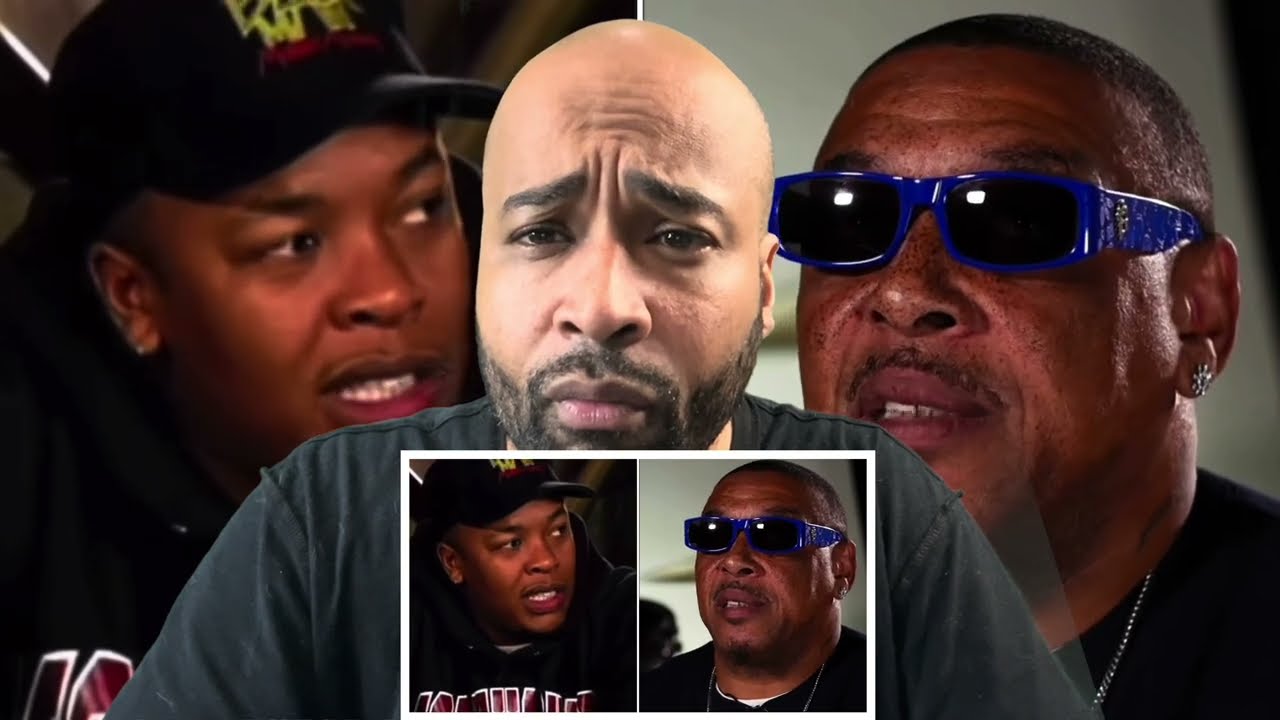 The presence of both Bloods and Crips under one roof created a powder keg that often exploded into violence, theft, and intimidation. The chain snatching of Warren G, who is Dr. Dre’s stepbrother, was not just a robbery—it was a direct challenge that could have triggered an all-out gang war.
Tray Deee’s candid remarks also touched on Suge Knight’s ultimate comeuppance. “That’s karma,” he said, referencing Suge’s legal troubles and eventual imprisonment. “So many things he could have done differently with the position and power he wielded.”
He described Suge as a man who was not feared on the football field but who later tried to play the role of a crime boss, surrounding himself with “killers and cutthroats and connivers.” Tray Deee did not wish Suge ill, but he made it clear that the mogul’s choices led to his downfall.
The interview has sent shockwaves through the music industry, reigniting debates about the true nature of Death Row Records. For years, fans and historians have speculated about the extent of Suge Knight’s control and the violence that permeated the label. Tray Deee’s account provides a rare, first-person perspective from someone who was in the room and had the authority to push back.
His assertion that he would not allow his crew to be disrespected while he was present underscores the code of loyalty and honor that existed even in the midst of mayhem.
“We wasn’t having that,” Tray Deee said repeatedly, framing his actions as a defense of his brothers. “None of that slap Snoop and took this and all that happened while I was there. I don’t know what happened before I got there, but none of that took place while I was there.”
His words serve as a powerful rebuttal to the narrative that everyone at Death Row was a victim of Suge’s 𝓪𝓫𝓾𝓼𝓮. According to Tray Deee, those who stood their ground were not targeted.
The incident also highlights the complex web of relationships within the label. Warren G, a prominent rapper and producer closely tied to Dr. Dre, was not a Death Row artist, which may have made him a target.
 But his connection to the Dogg Pound and Tray Deee ensured that he had protectors inside the building. “Warren went and got C-Style,” Tray Deee recalled, indicating that the chain of command was clear.
As news of Tray Deee’s interview spreads, fans and industry insiders are calling for more details about other alleged incidents at Death Row. The label’s legacy is already clouded by violence and legal trouble, but this new testimony adds a layer of personal accountability. Did Suge Knight knowingly allow his security team to target outsiders?
Or was the chain snatching a rogue act? Tray Deee’s account suggests that Suge was directly involved in the negotiation to return the chain, but he also made clear that Suge’s methods were extreme.
The rapper’s criticism of Suge Knight extended beyond the Warren G incident to include the infamous case of the two producers who sued Suge and were allegedly forced to drink urine. “I interviewed the president of Solar Records. It was excessive punishment for some real trivial matters,” Tray Deee said.
He revealed that Suge’s probation for that case was the reason he was on parole during the Vegas incident that led to his imprisonment. “The whole situation in Vegas with the kicking incident was ’cause he was still on probation for that situation,” Tray Deee disclosed.
This breaking news is likely to reopen wounds and reignite old rivalries. The music world is divided—some see Suge Knight as a ruthless businessman who got what he deserved, while others view him as a victim of his own environment. Tray Deee’s perspective, coming from someone who survived the chaos and later became a respected figure in the rap community, carries significant weight.
“We just wasn’t having it,” Tray Deee concluded. And with those words, he has set the record straight about one of the most infamous chain snatchings in hip-hop history. The nation is now buzzing with the question: How many more untold stories remain hidden behind the gates of Death Row Records?
One thing is certain—the legacy of Tray Deee’s refusal to back down has cemented his place as a real friend and a formidable presence in an era when loyalty meant everything.