The long-simmering feud between Southern rap icons Juvenile and Young Buck has erupted into open hostility, with explosive new allegations revealing the true catalyst for their decades-long rift: a disastrous abandoned deal with Death Row Records co-founder Suge Knight in Los Angeles that left the rapper and his crew stranded, betrayed, and financially cut off.
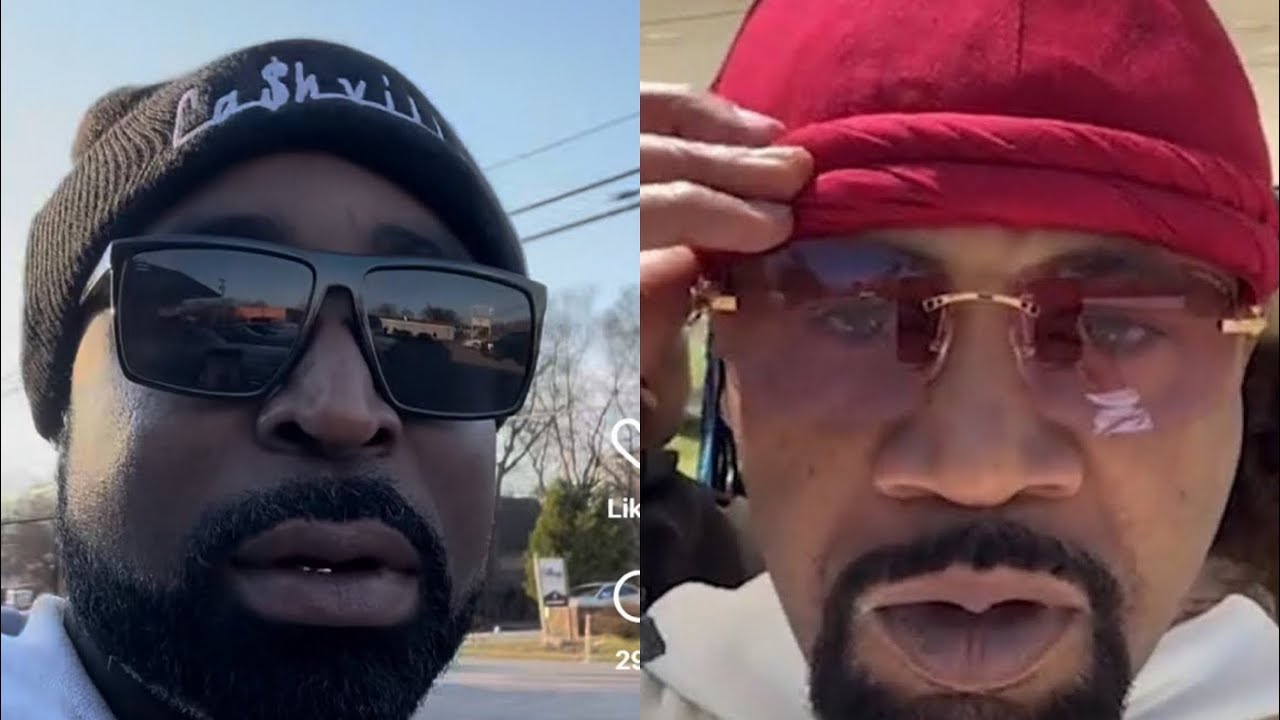 According to exclusive testimony from both camps, the bitter split dates back to the early 2000s, when Juvenile—already a Cash Money superstar—was in talks to sign himself and his UTP Records roster to Suge Knight’s revived Death Row imprint. The plan was supposed to be a career lifeline for Young Buck and other artists, who had followed Juvenile to L.A. on his promise of a joint future.
In a series of raw interviews, Young Buck claims he woke up one morning at a Los Angeles hotel to find Juvenile had vanished without a word. “I went down to his room—he wasn’t there. His Cadillac truck was gone,” Buck recounted. “None of us could reach him. His brother didn’t even know where he went.” The abandonment left the entire crew in limbo, relying on Juvenile’s money and leadership.
Buck describes the moment Suge Knight himself called the hotel room, demanding to know where Juvenile was. “Where Juvie at? I’m about to pull up,” Knight reportedly said. When told Juvenile had disappeared, Suge’s confusion turned to anger. Shortly after, the front desk informed the group that all hotel rooms had been canceled—they were being kicked out with nowhere to go.
Juvenile, however, paints a radically different picture. In his own explosive statements, he denies ever abandoning anyone. “When I showed up in Cali, he was already there. So how could I leave you somewhere?” Juvenile fires back. He insists he left his tour bus behind and that all the artists were still present when he departed. The core issue, he says, is not geography but betrayal.

The real reason for the lost respect, Juvenile argues, is Young Buck’s failure to defend him behind his back. “Somebody say some 𝒻𝒶𝓀𝑒-ass shit about somebody you really love, and you don’t come to my defense,” Juvenile seethed. He claims Buck spread lies to 50 Cent—then Buck’s G-Unit boss—alleging that Juvenile tried to steal 50’s artist Lloyd Banks. “He told 50, ‘Juvie tried to take your artist from you.’ That’s some snake shit.”
Juvenile’s rage is palpable. In the interview, he flatly declared, “I hate Young Buck. Fam. Buck is a bitch-ass nigga. Don’t even throw his name around.” He refuses any reconciliation, stating that Buck’s silence during that pivotal moment of slander destroyed any bond they once shared.
Young Buck, for his part, maintains he has no ill will but admits the revelation of Juvenile’s hatred shocked him. “These are individuals I rocked with, stood in the Magnolia with, had your back through thick and thin,” Buck says softly. “If you felt that way, you could have at least called me. It is what it is.”

Industry insiders note that the feud is particularly painful because both men came from the same streets of New Orleans. Juvenile was instrumental in Buck’s early career, bringing him into the Cash Money orbit when Cash Money initially passed. They recorded together on UTP, and Buck looked up to Juvenile as a mentor and anchor.
The abandoned Death Row deal now serves as the symbolic grave of their partnership. Analysts point to a classic clash of expectations: Buck felt Juvenile owed him loyalty and financial security; Juvenile felt the artists were grown men who should have had their own resources and plans.
Attempts to reach Suge Knight for comment were unsuccessful; Knight remains incarcerated. But the shadow of that 2000s-era power play looms large over the entire narrative.

The question remains: can two southern legends ever repair what was broken? As of now, Juvenile has made his position unmistakably clear. He wants nothing to do with Young Buck, dismissing any future dialogue as impossible. Buck, still holding a sliver of hope, says he wishes they could have talked it out privately instead of through media back-and-forth.
For fans who grew up on the classic Cash Money and UTP catalogues, the public dissolution of this relationship is a painful reminder of how money, ego, and perceived disloyalty can fracture even the deepest of bonds.
The full story continues to unfold, with the hip-hop community watching closely to see if either side offers new evidence or if time and legacy will eventually soften the wounds. But for now, the trust between Juvenile and Young Buck remains irrevocably shattered.