Young Buck has boldly revealed the explosive truth behind his deep-seated disrespect for fellow rapper Juvenile, exposing a chaotic fallout involving a failed Death Row Records deal orchestrated by Suge Knight. This resurfaced interview uncovers betrayal, abandonment, and financial disaster that fractured their once-close alliance.
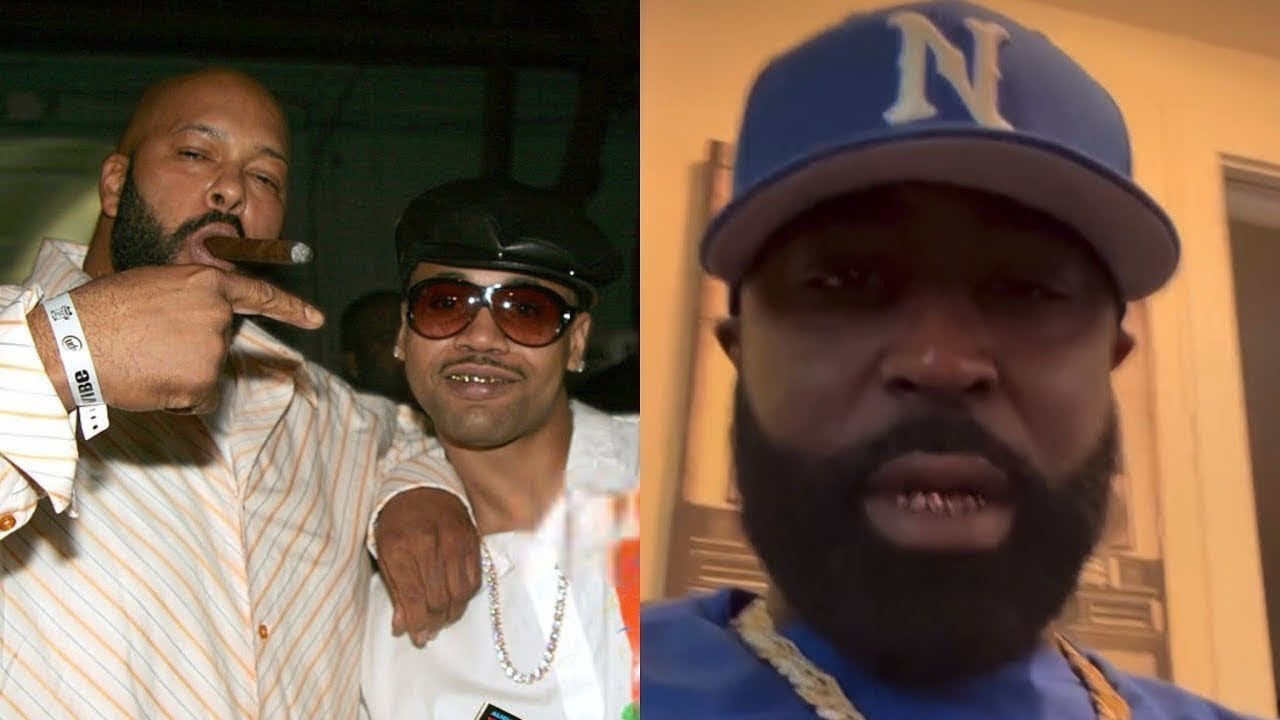 In a heated revelation, Young Buck detailed how Juvenile’s abrupt disappearance in Los Angeles sabotaged a pivotal record deal with Suge Knight’s Death Row Records, leaving everyone stranded and betrayed. The stakes were sky-high as Juvenile was essentially the financial backbone of the group, responsible for funding their costly endeavors.
The attempted alliance with Suge Knight, aiming to resurrect Death Row Records by blending Southern rap with West Coast legends, initially promised a powerhouse resurgence. Juvenile was seen as the “money horse,” the key artist intended to breathe new life into the iconic label alongside names like Crooked I, Kurupt, and others.
However, the situation spiraled out of control when Juvenile suddenly vanished without warning, abandoning not only the deal but also his crew, who were left to fend for themselves in an unfamiliar and hostile environment. Young Buck described the terror and confusion that engulfed them while stranded in LA’s scorching heat.
Young Buck recounted waking up to find Juvenile missing and unreachable, triggering panic among his team. With the bus driver unable to refuel, no money circulating, and hotel rooms canceled by Suge Knight, the crew was left starving, overheated, and directionless. This betrayal marked a turning point and shattered their trust irrevocably.
The fallout forced Young Buck and his comrades to scramble desperately for money and escape routes. With funds from his supporters, Buck managed to arrange planes for himself and a few others, highlighting the chaos and sense of abandonment that marked that fateful period.
 Young Buck’s narrative exposes the cracks in Juvenile’s leadership, emphasizing the latter’s failure to communicate or take responsibility for his role as the group’s financial anchor. This breach of loyalty is the core reason for Buck’s harsh stance and lack of respect toward Juvenile today.
The context of Suge Knight’s notoriously treacherous deals adds another layer of complexity. The interview hints that Juvenile, wary of repeating past mistakes with exploitative contracts like those experienced at Cash Money Records, may have fled to avoid signing a potentially oppressive deal.
Despite Juvenile’s pivotal role in Cash Money Records’ rise—earning the label mainstream success with albums like “400°”—Young Buck criticizes his decisions during this Death Row episode, underscoring the strain between artistry, business, and trust in the music industry’s cutthroat environment.
The fallout of this incident was a bitter lesson. Young Buck distanced himself entirely from the situation, ending his journey with Juvenile’s UTP group. The experience revealed the fragile nature of alliances and the high cost of failed leadership in the cutthroat world of hip-hop.
This explosive recounting sheds light on the often unseen struggles behind major industry moves, with loyalty, money, and survival hanging in the balance. Young Buck’s candid reflections are a stark warning about the perils artists face when navigating complex record label dynamics.

As the story resurfaces amid Young Buck’s recent public troubles and 50 Cent’s jabs, the hip-hop community is left pondering the lasting impact of this fractured relationship. It is a raw, unfiltered glimpse into the turbulence behind the glamour and glory of rap stardom.
While Juvenile ultimately returned to Cash Money Records and continued his career, Young Buck’s revelations make it clear that the East-West Death Row deal was a critical failure, one that burned bridges and 𝓮𝔁𝓹𝓸𝓼𝓮𝓭 hidden fractures beneath the surface of hip-hop’s shining icons.
This saga underscores the wider industry truths: artists must safeguard their finances and trust no one blindly, or risk being abandoned in dire moments. Young Buck’s story is a cautionary tale about broken promises and the harsh realities lurking behind record deals.
The public is invited to weigh in on these bombshell claims. Young Buck’s detailed account offers a rare insider perspective into a dramatic chapter of rap history, shining a harsh light on Juvenile’s controversial choices during a crucial juncture.
 The legacy of Death Row Records, once a legendary powerhouse, was never fully revived despite these high-profile attempts. Juvenile’s flight and the ensuing chaos symbolize the collapse of that vision and the formidable challenges of recreating past successes in the music world.
Ultimately, this incident epitomizes the collision of ambition, loyalty, and betrayal in hip-hop—reminding fans and artists alike of the volatile dynamics that shape careers and reputations. Young Buck’s unapologetic exposure is a defining moment, reshaping narratives around both rappers.
The full extent of the fallout continues to reverberate, as both artists navigate their paths in the industry today. Young Buck’s revelation delivers a powerful message about respect earned through loyalty—something he believes Juvenile forfeited decades ago.
With the 𝒹𝓇𝒶𝓂𝒶 reignited, discussions are now heating up across social media and music forums, as fans dissect the implications of this insider story. It’s a poignant moment that unveils the human cost behind the hip-hop success stories often celebrated without scrutiny.
The Young Buck-Juvenile saga reinforces the critical importance of transparency and trust in artist-label relationships, serving as a harsh reminder that behind the music, complicated personal and business battles rage fiercely.
As the dust settles, this breaking story cements Young Buck’s position not only as a skilled artist but as a truth-teller willing to confront uncomfortable realities. The hip-hop world watches closely—respect and loyalty now center stage in this ongoing narrative.