Juvenile, the iconic Hot Boys member, has revealed the explosive truth behind the legendary feud between Birdman and Master P that fractured the powerhouse Cash Money and No Limit Records collaboration. This jaw-dropping exposé exposes deep-rooted street tensions, dashing hopes of a historic Cash Money No Limit tour and collaboration.
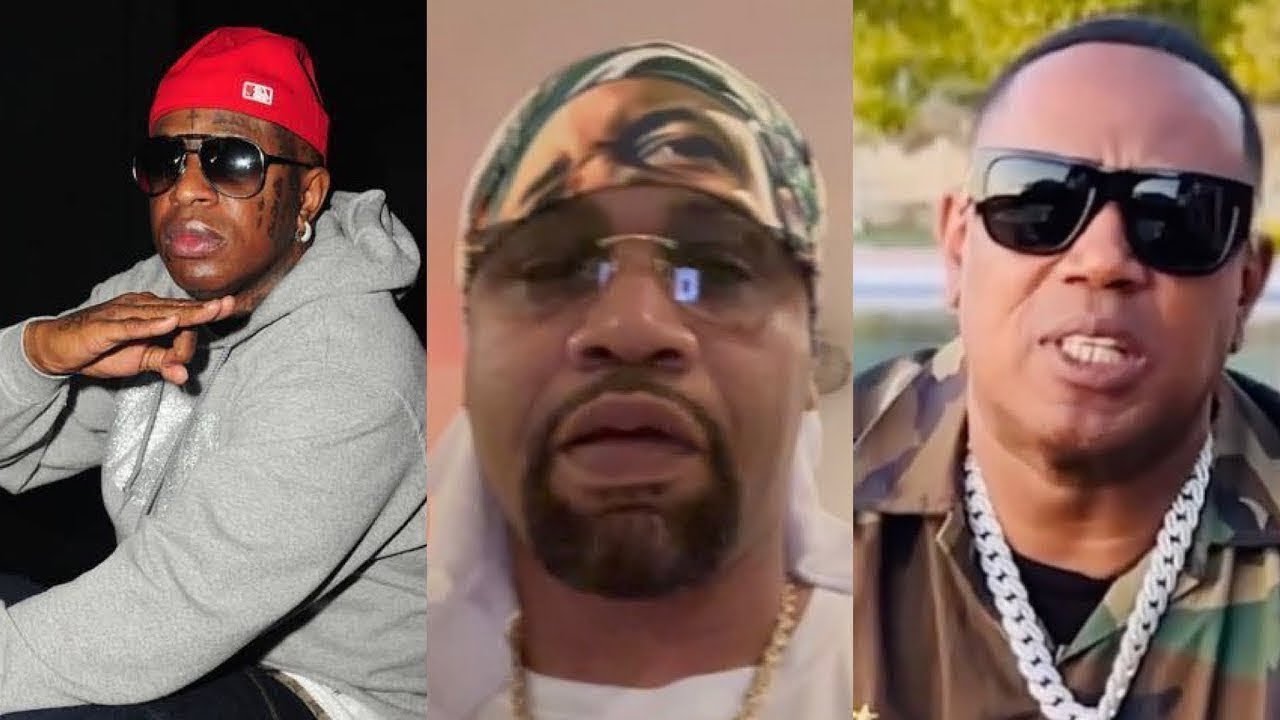 In a recent, must-hear interview on the Nation of Conversation daily podcast, Juvenile peeled back the curtain on the long-standing conflict between the titans of southern hip hop—Birdman and Master P. Contrary to popular belief rooted solely in business rivalry, Juvenile uncovered an intense, street-level discord tied to their home turf’s infamous project rivalries.
The bitter enmity between the Magnolia Projects, associated with Cash Money, and the Calliope Projects, tied to No Limit, has been a dividing line that even mega music empires couldn’t bridge. This territorial beef led to fractured alliances and a deep cultural schism that turned potential powerhouse partnerships into impossible dreams.
Soulja Slim’s well-documented name change from Magnolia Slim to Soulja Slim stands as a symbol of this profound division. Juvenile detailed how the conflict’s reach extended beyond music into personal identities, forcing artists to navigate dangerous waters to avoid exacerbating the feud.
Juvenile clarified that despite the corporate friction, he and Master P maintained a working rapport and mutual respect, especially evident during their united front post-Katrina when they worked together to fundraise for affected communities. This nuance reveals the complexity behind the public’s perception of the feud.
 The artist bluntly acknowledged the ugly truth: it was a record company issue layered with entrenched street conflicts and personal histories that kept these Southern rap legends apart. Their inability to join forces altered the musical landscape, stymying what could have been a legendary alliance of creative forces.
Imagine the seismic impact if Birdman and Master P had set aside their differences. Juvenile highlighted the unreal collaborations lost—Master P lending his visionary flair to the Hot Boys, Birdman producing tracks with No Limit kings, and top producers like Mannie Fresh and KLC crafting mind-blowing beats.
This breakdown unraveled one of hip hop’s greatest “what if” scenarios: Lil Wayne and Miss Kool linking with C-Murder and Soulja Slim, or BG and TRU joining the No Limit Army. The sheer firepower of Cash Money Millionaires and No Limit Soldiers sharing the stage remains a tantalizing possibility crushed by rivalry.
Juvenile’s revelations open a vital conversation about the power of unity in hip hop and the damage rivalry inflicts not just on artists but on the culture and its fans. This insider perspective urges the industry and listeners alike to ponder what’s lost when conflicts overshadow art.
This disclosure from Juvenile shines a penetrating light on the underlying obstacles that kept two of the South’s most influential rap labels from ever joining forces. It punctuates the turbulent history of Cash Money and No Limit Records with a raw, unvarnished truth.
The hip hop world is thrust into reflection: how might history have changed if Birdman and Master P had forged an alliance? Could the synergy of their crews have transformed the genre’s soundscape and business trajectory? Juvenile’s candid account compels fans to imagine the explosive creative potential extinguished by strife.
This breaking news not only preserves an essential piece of hip hop history but also challenges the narrative through the voice of a key figure who lived the rivalry firsthand. Juvenile’s insights remind the community of the complexities behind legendary conflicts and their lasting impact.
 Fans and insiders alike are grappling with the ramifications of this revelation, reigniting debates over the missed opportunities and the possibility of a Cash Money No Limit tour that could have redefined the industry. The silence between these legends is now broken, and its echoes resonate powerfully.
As the hip hop community digests Juvenile’s explosive commentary, questions flood in about future reconciliations and whether this new understanding might inspire peace or collaboration. The revelation is urgent and transformative, shining a spotlight on history and urging change moving forward.
The Juvenile interview is a critical moment in hip hop journalism, peeling back layers of fame, enmity, and geography that defined an era. It’s a vivid reminder of how often external factors derail artistic collaboration, and the profound losses those fractures cause.
In sum, Juvenile’s expose lifts the veil on the true origins of the Birdman-Master P feud, revealing a complex interplay of street rivalries and label conflicts. This breaking news shocks the hip hop world, urging fans and industry figures to rethink past animosities through a new, revealing lens.