Pooh Shiesty has broken his silence from federal custody, and his message to the streets is unmistakable: he is not done, he is not broken, and new music is on the way.
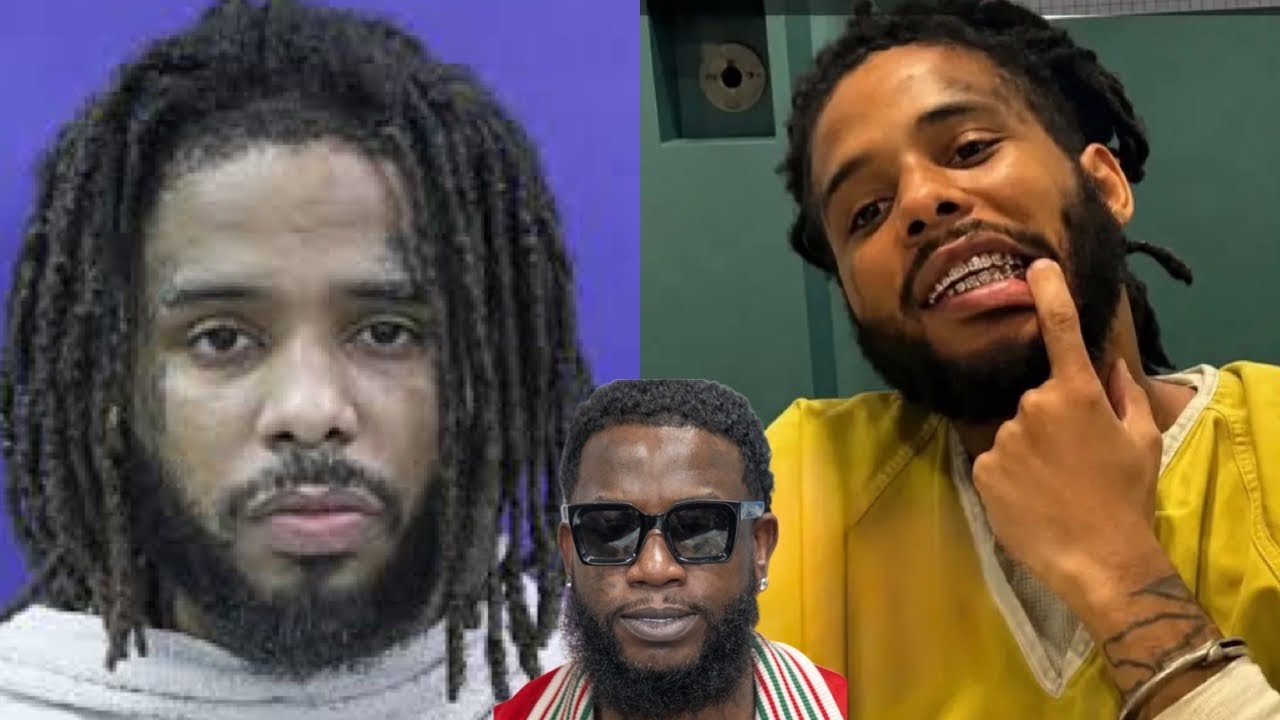 In an audio call that surfaced Monday and was picked up by Urban Politicians TV, the 1017 Records rapper delivered a defiant, unfiltered message from the federal jail where he is being held on kidnapping and robbery charges. His voice carried the same confident cadence that made him one of hip-hop’s most promising newcomers, but the stakes around him have never been higher.
“You know going on. We still putting on like cologne, man. This ain’t the biggest, man.
This the one that’s bigger than the program, man,” Shiesty said in the recording. “We got new music on the way.”
The call marks the first time the public has heard from the Memphis rapper since his federal indictment, a case that has sent shockwaves through the music industry.
Prosecutors allege that Shiesty, along with his father and several others, orchestrated a plot to force Gucci Mane to sign a release contract from 1017 Records inside a studio in Dallas. The alleged scheme has become one of the most explosive legal sagas in rap history.
“We don’t give a what no [expletive] got to say.
What no [expletive] think they know what’s going on. Especially the internet,” Shiesty continued. “This something some something small to a giant, man.
It’s a pebble to a giant.”
The rapper appeared undeterred by the severity of his situation, offering a message of resilience that has become the cornerstone of his public persona. He spoke directly to his fanbase, assuring them that his career and his spirit remain intact despite the walls closing in around him.
“Ain’t about how you trip up or how you stumble or how you fall. It’s always how you get back up,” he said. “Everybody can’t just get back up like a [expletive] like I’ll be back in a minute.
I’mma shake back.”
The release of the call coincides with a major career move: Shiesty’s album “All Eyes on Shy” dropped Friday, released through the very label whose CEO he is accused of targeting. The contradiction has not been lost on fans, critics, or legal observers watching this unprecedented situation unfold in real time.
A billboard campaign promoting the album has appeared in Dallas, New York, and Atlanta, featuring slogans that blur the line between art and reality. One billboard reads: “They try to live what they rap. I’m rapping how I’m living.”
Another declares: “Turn the radio down. I’m trying to listen to the streets.” And a third: “Ain’t never going.
Ain’t never went.”
The slogans read like a direct rebuke to his accusers and a declaration of defiance aimed at anyone counting him out. For a rapper facing serious federal time, the marketing push signals that Shiesty intends to maintain control of his narrative and his brand from behind bars.
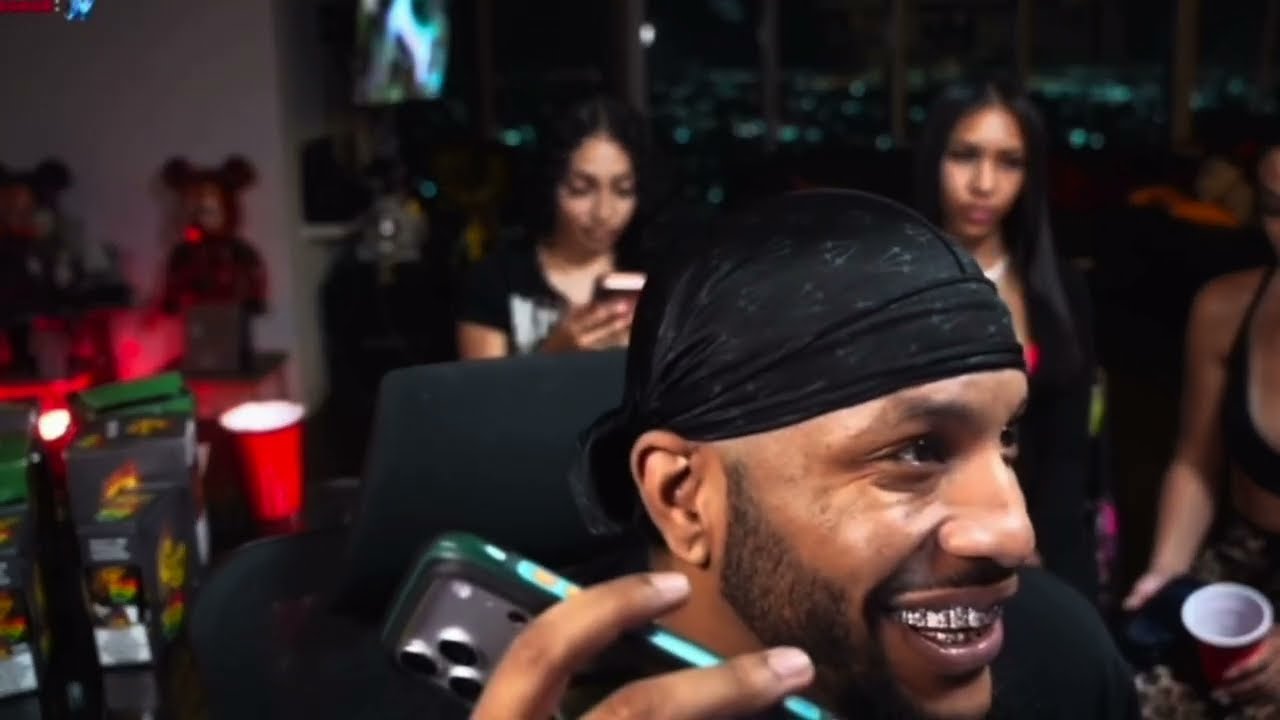
During the call, Shiesty also reached out to a streaming personality to request specific tracks from the new album, urging DJs to push his music and rally his fans to action. “Play the live. What you want me to play first?
 Play it. Play it,” he said. “I’m back.
You know what I’m saying? McLaren truck.”
His enthusiasm was palpable, a stark contrast to the grim reality of his legal predicament.
The rapper is being held on federal charges, and he was on federal probation at the time of his arrest, a detail that legal experts say could dramatically complicate his defense and any potential plea negotiations.
The case stems from an incident alleged to have taken place in Dallas, where Shiesty, his father, Big 30, and others reportedly confronted Gucci Mane in a recording studio. Federal prosecutors allege the group created a release contract and forced the 1017 Records CEO to sign it, effectively attempting to sever Shiesty’s ties to the label at gunpoint or under threat of violence.
Gucci Mane has since responded publicly in the most visceral way the rap game knows: through music. The label boss released a diss track targeting Shiesty and his father, calling them “crash dummies” and reenacting the alleged storyline of the studio confrontation. The track laid bare the bad blood between the two artists, who were once seen as labelmates on the rise.
Yet despite the public animosity, Shiesty’s album was still released through 1017 Records. The decision has left industry insiders puzzled, raising questions about the business relationship between the two men and whether the legal proceedings will expose the inner workings of rap contracts that rarely see the light of day.
“It’s kind of like, yeah, the end of this whole story here is going to be a wild one.
Don’t know how this is all going to play out,” the commentator on Urban Politicians TV noted. “I can’t convict nobody from the cell phone or nothing. We saw the video get released.
We see what the feds are accusing him of. Pushy seems like he’s still in high spirit.”
Indeed, Shiesty’s demeanor in the call suggests a man who believes he has a path forward, both legally and artistically.
He urged fans to stream his music, repost it, and share it, treating the album release as a campaign that transcends his physical confinement. “Get us to number one,” he said. “We got more.”
The legal stakes, however, are staggering. Federal prosecutors have a reputation for pursuing lengthy sentences, particularly in cases involving conspiracy charges. Legal analysts point out that in the federal system, mere presence during a crime and testimony from co-conspirators can be enough to secure a conviction, even without direct physical evidence.
“It be people get 30 years just by talking to the wrong person in the wrong conversation. And that’s all the evidence that they have on them,” the commentator warned. “No matter if they did it or not, they don’t be having to fully prove it in the feds.”
The involvement of Shiesty’s father in the alleged plot adds a deeply personal dimension to the case. Big 30, also known as Shiesty’s father, was named in the federal indictment alongside several others. The family connection has intensified the scrutiny on the rapper, who has built his career on authenticity and street credibility.
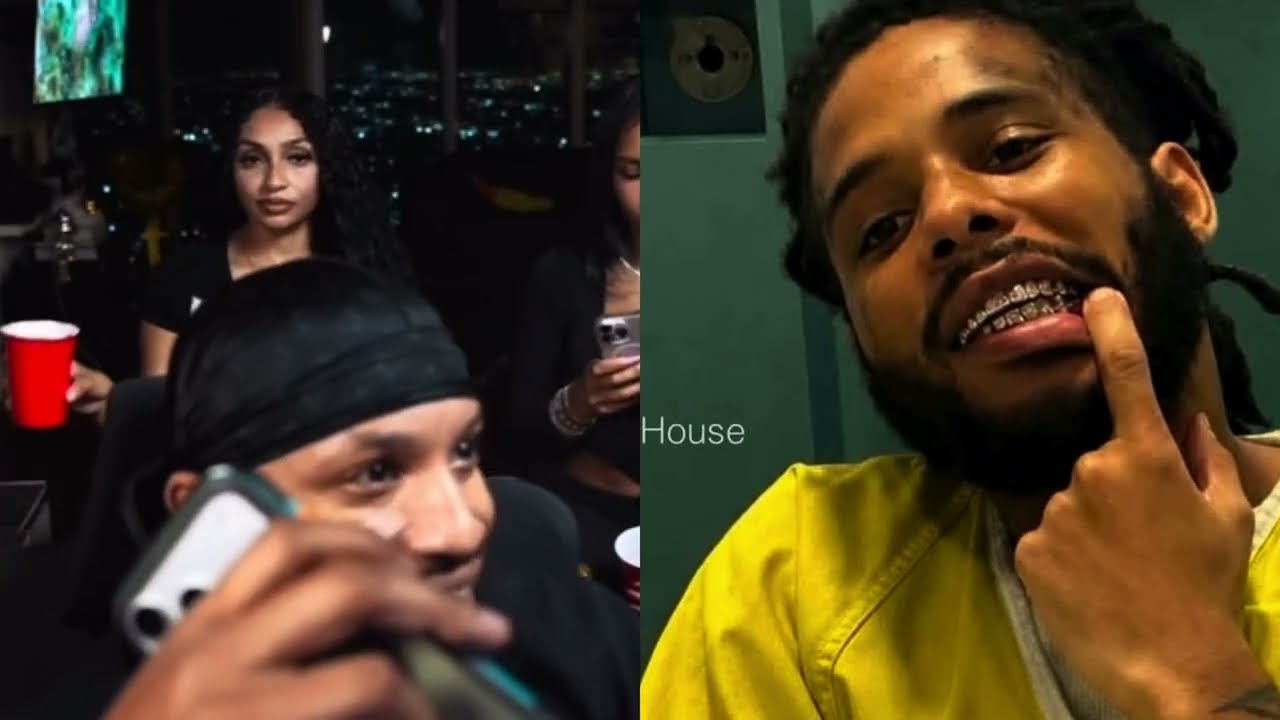
For fans, the image of Shiesty behind bars is a painful reminder of how quickly fortunes can change in the rap game. The artist who once seemed destined for superstardom now faces the possibility of spending decades in prison, a reality that has not dampened his public bravado but has sobered those around him.
The case has also opened a window into the darker side of music industry negotiations.
Allegations of artists being strong-armed into contracts or threatened when they seek to leave labels have long circulated in hip-hop, but they rarely become the subject of federal indictments. This case, legal observers note, could set a precedent for how such disputes are prosecuted.
“Stuff has happened with record labels and CEOs and a lot of stuff go down in this rap game that never makes the internet that you never hear about,” the commentator observed.
“But when you see it being played out in courtrooms, you get to see it getting played out on interviews.”
The album “All Eyes on Shy” has been met with strong reactions from fans and critics alike. Early tracks have been praised for their raw energy and lyrical precision, with Shiesty delivering the kind of street anthems that first drew attention to his music.
One standout track reimagines a classic by Tupac Shakur, with Shiesty paying homage to the late legend while asserting his own place in the hip-hop pantheon.
“I haven’t had a full opportunity to listen to the album yet. We did hear the last, the breathing song where they redid the Pac and I most definitely can say he was rapping on there.
He was spitting,” the commentator said.
For the rapper himself, the music serves as both a lifeline and a legacy. In his call, he made clear that he expects his fans to carry the torch while he remains locked up, urging them to amplify his voice and his art in his absence.
“Go live to this slide. Call whatever y’all on. You know what I’m saying?
Run this. Get us to number one,” he instructed.
The broader implications of the case extend beyond Shiesty and Gucci Mane.
The allegations have reignited conversations about exploitative record contracts, the pressures faced by young artists, and the sometimes dangerous lengths rappers will go to in order to secure their financial futures. Shiesty, who signed his deal with 1017 Records at a very young age, may have felt trapped by terms that no longer reflected his value.
“Pussy signed that deal at probably what, 19, 20 years old, very young, coming in the game fresh, really fresh off the block,” the commentator speculated.
“He probably didn’t sign for too much. Probably didn’t have the best terms in it. It probably might feel like he outgrew that.”
But whatever grievances Shiesty may have had with his label, federal prosecutors are unlikely to accept a justification rooted in contract disputes. The charges against him carry severe penalties, and the government has shown little appetite for leniency in cases involving alleged kidnapping and robbery.
As the legal process unfolds, all eyes remain on Gucci Mane.
 The 1017 Records CEO has already demonstrated his willingness to address the situation through his music, but questions remain about whether he will be called to testify, whether he will pursue additional legal action, and how the feud will shape the future of his label.
“Then you got to think, where is Gucci Mane going after this? What is he going to say?
It’s going to be a crazy story that get told in the end,” the commentator said.
For now, Pooh Shiesty remains behind bars, but his voice has reached his fans, and his music continues to circulate. His call from federal jail serves as a reminder that even in the darkest circumstances, the show goes on.
Whether that show ends in vindication or tragedy will be determined in the months ahead, as federal prosecutors lay out their case and Shiesty’s legal team mounts a defense.
“I told y’all ready like however this go,” Shiesty said in closing. His words were brief but resonant, a promise to his supporters that he will not fade quietly into the system that now holds him.
The rapper’s message of resilience has already sparked a wave of support online, with fans rallying behind the hashtag and streaming his music in solidarity. The album’s performance in its opening days could prove crucial not only to Shiesty’s career but to his morale as he navigates the uncertain terrain of federal prosecution.
Observers note that Shiesty’s decision to continue releasing music through 1017 Records is a strategic gamble.
On one hand, it keeps his catalog active and his fanbase engaged. On the other, it ties his fortunes to a label whose CEO he allegedly sought to rob. The contradiction is glaring, and it has not escaped the notice of legal commentators or hip-hop fans.
“I would say this always just the way that I negotiate, ’cause you still dropping music on that label regardless of what happened or didn’t happen. So it’s like it’s still over there,” the commentator mused. “And you still, at the same time, freedom is your most important thing, bro.
Let’s keep it a honey.”
The warning to other young artists is clear: in the rap game, as in life, the choices you make can have consequences that no amount of streaming numbers can undo. Shiesty’s story, still unfolding in real time, stands as a cautionary tale about the intersection of street life, music business, and the unforgiving nature of the federal justice system.
Yet Shiesty himself remains unbowed. His final words on the call were not a lament but a statement of intent, a declaration that his story is far from over. “I’mma shake back.
You know that. I’mma shake back,” he said. Whether he can deliver on that promise from within the walls of a federal prison is a question only time will answer.
For now, the rap world watches, listens, and waits. The music is out, the charges are pending, and the next chapter of Pooh Shiesty’s remarkable and troubled journey begins now.


