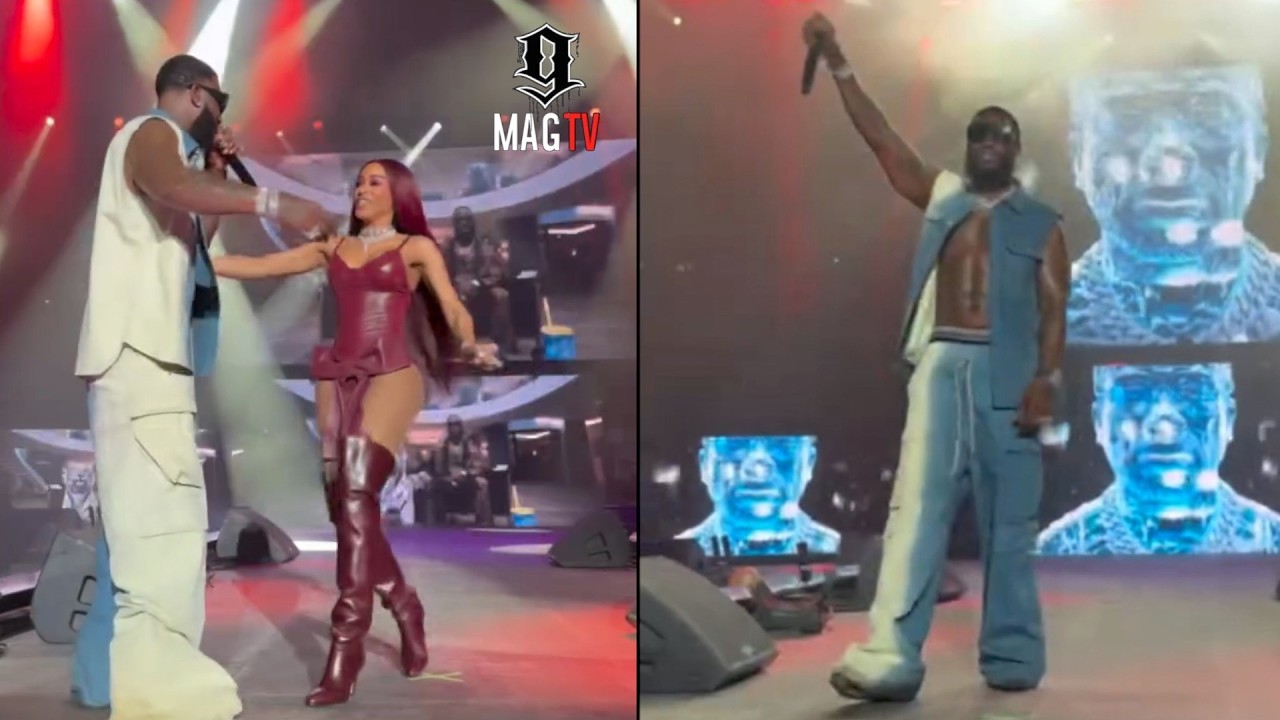
Hip-hop producer Daz Dillinger has delivered a scathing condemnation of his cousin, rap icon Snoop Dogg, accusing him of hostility and withholding money owed for decades of industry contributions. The explosive fallout centers on unpaid royalties and rights involving legendary albums like The Chronic and Doggystyle, igniting a family feud amid Death Row Records’ attempted resurgence.
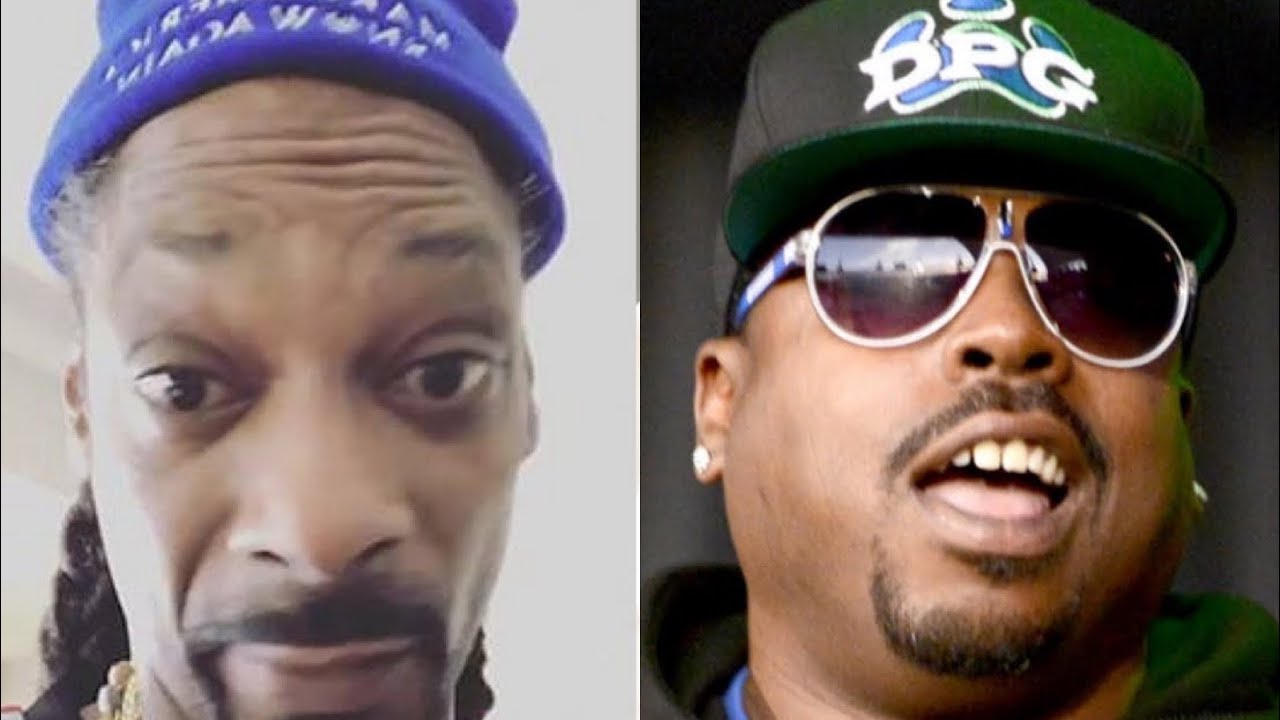 Daz Dillinger, a pivotal figure behind some of hip-hop’s most celebrated projects, claims Snoop Dogg “can’t stand” him due to the ongoing battle over long-overdue payment. Their relationship, once close, has deteriorated amid accusations of withheld earnings from key albums that shaped ’90s rap culture.
“These two were family — cousins linked by blood and music history,” said Daz in a recent podcast clip. “But now, it’s a war over money, paperwork, and respect. Snoop’s refusal to settle these accounts has created deep personal and professional rifts, shaking the legacy of Death Row and its artists.”
The dispute revolves around royalties tied to landmark releases including The Chronic, Doggystyle, and Murder Was the Case. Daz insists he has retrieved copyright reversion rights through official channels, setting the stage for a legal and financial reckoning by 2028 when full ownership of publishing rights could return to him.
Despite years of work underpinning projects credited largely to Dr. Dre and Snoop Dogg, Daz argues he never received proper compensation or acknowledgment, highlighting a glaring injustice in hip-hop’s royalty distribution. Recent payments lacked transparency, with sizeable sums wired without accompanying statements or explanation.
Daz described receiving a $91,000 royalty payment with no breakdown, demanding clarity on how figures were calculated. He emphasized that his total earnings should dwarf current amounts, covering multiple albums he contributed to, including Dogg Food and Doggfather. Yet, contract delays and missing paperwork have stalled his rightful claims.
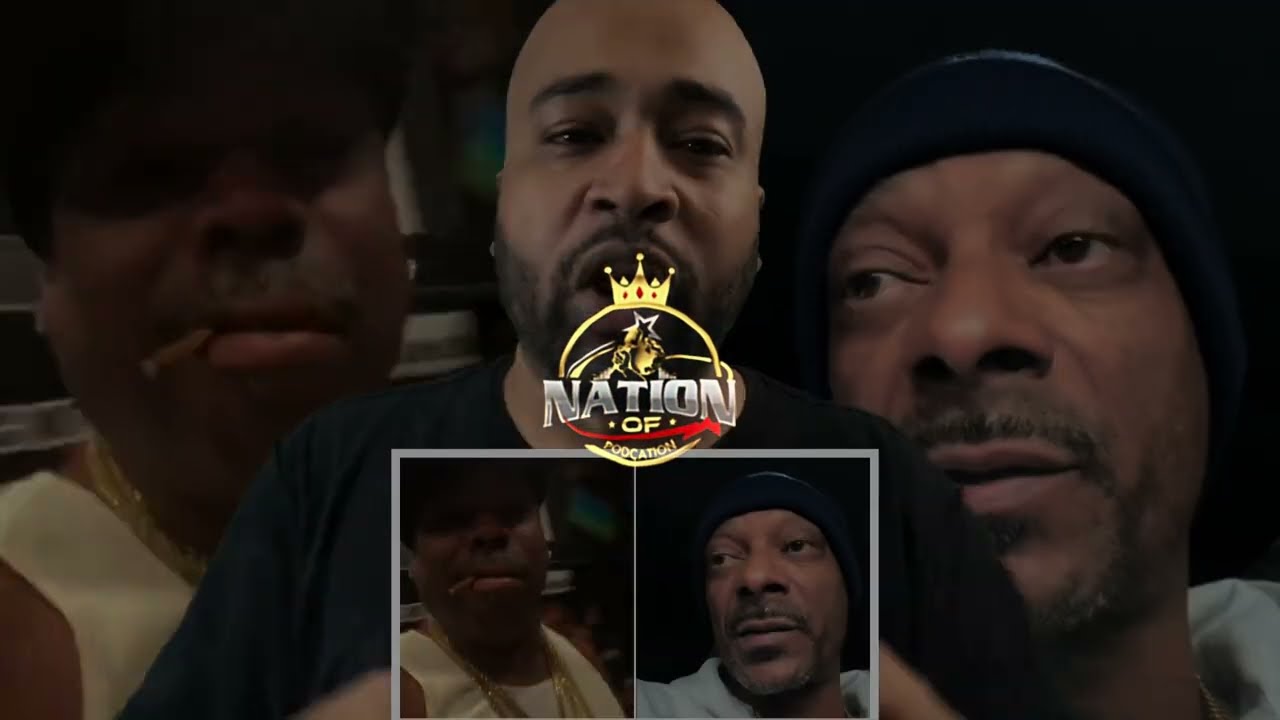
The financial discord extends beyond dollars; it’s fractured personal bonds. When asked about their current standing, Daz stated bluntly, “He can’t stand me.” This severing of ties underscores the high stakes and bitterness involved as the two cousins clash publicly over their intertwined legacies.
Adding insult to injury, Daz lamented that mutual associates have distanced themselves due to the animosity, leaving him isolated socially yet resolute professionally. He plans to travel and build independently, undeterred by the fractured family dynamics and the uphill battle for justice.
This feud unfolds at a critical juncture for Death Row Records, which is striving to reestablish itself in the music industry. The label and associated artists’ futures are now intertwined with the resolution of these financial disputes and the preservation of their foundational history.
Industry experts acknowledge Daz’s fight as emblematic of broader systemic issues where talented contributors have historically been denied proper royalties, especially within hip-hop’s complex business structures. His pursuit of transparency and fairness resonates with many artists facing similar battles for intellectual property and compensation.
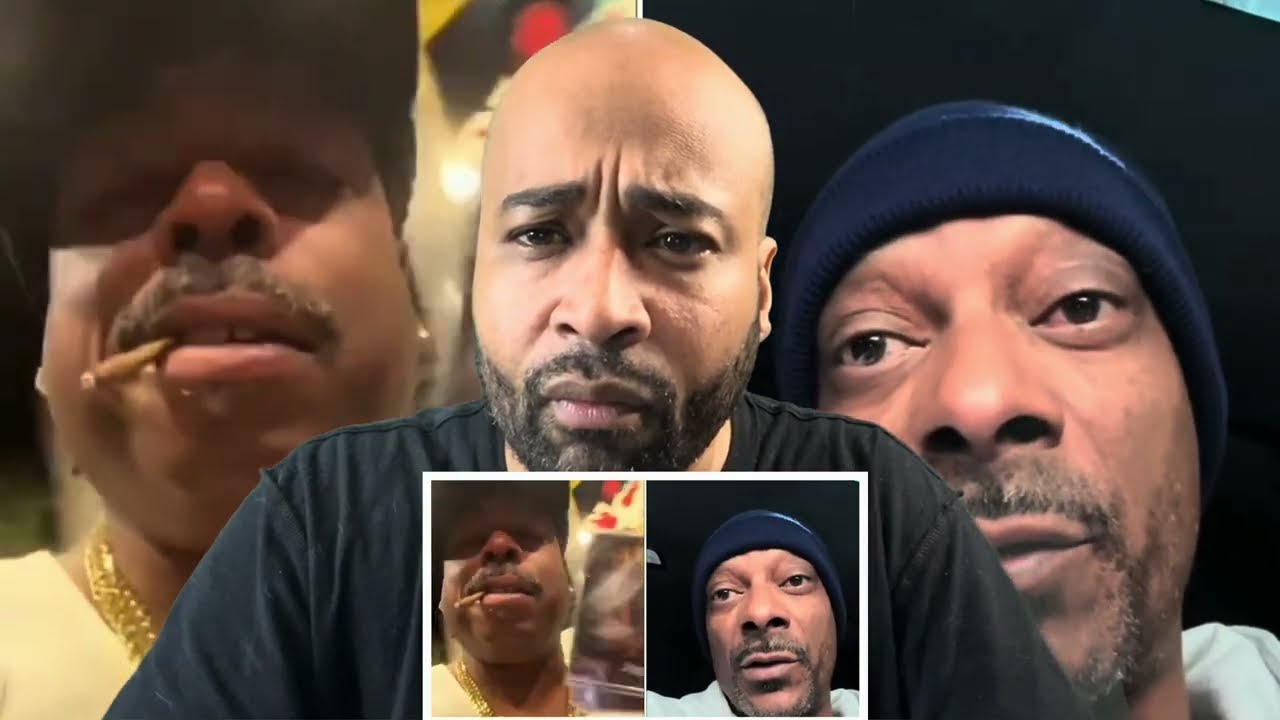
The battle also spotlights Snoop Dogg’s recent moves to regain control over his catalog through acquisitions of master rights, highlighting the shifting landscape where artists seek greater autonomy. Yet, his cousin’s accusations of withholding earnings stain these efforts with personal controversy.
Both artists significantly shaped the golden era of West Coast rap, lending historical weight to their ongoing conflict. The public nature of their dispute adds urgency to calls for clearer contracts, fair accounting, and stronger protections for creators in hip-hop’s evolving ecosystem.
Fans and industry watchers eagerly anticipate whether reconciliation will come or if this feud marks a permanent fissure. Daz’s candid revelations invite scrutiny on how legacies are maintained and how money moves behind the scenes of hip-hop’s biggest legends.
The story remains fluid, but Daz Dillinger’s voice is clear: he demands accountability and respect for his crucial role in rap history. The outcome will not only affect their family ties but could also set precedents affecting artist rights industry-wide.
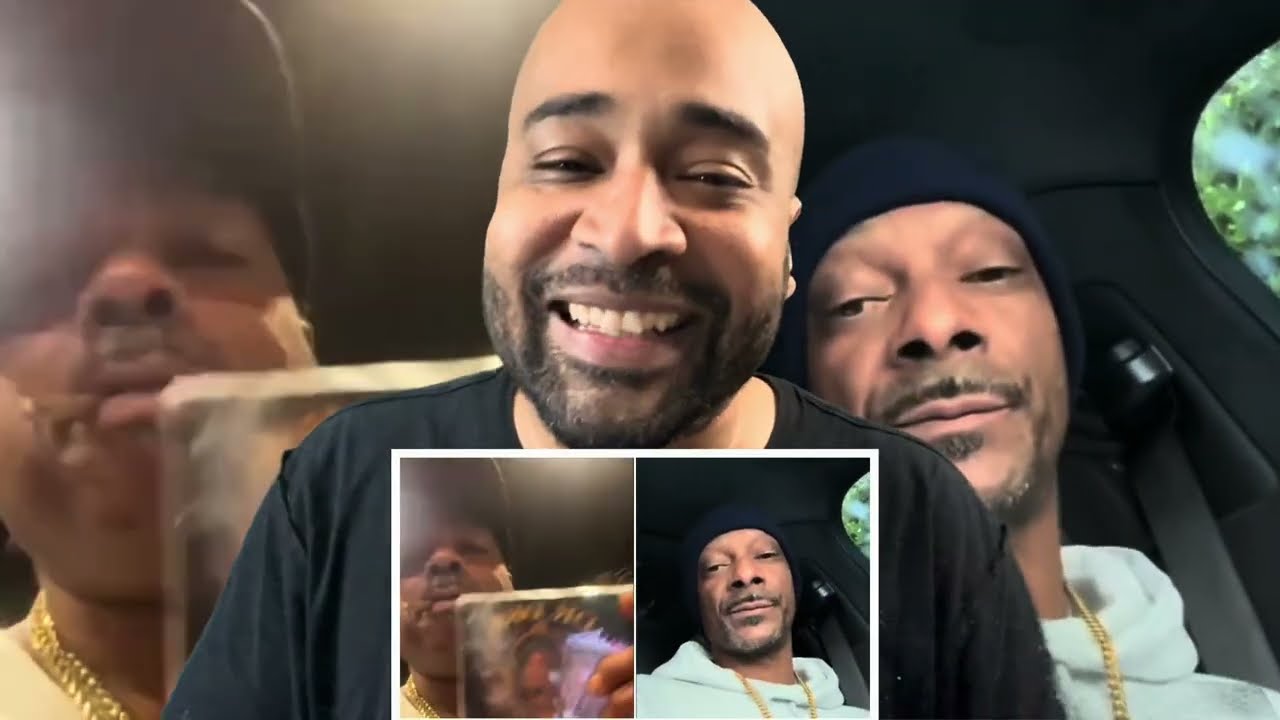
The brutal honesty and determination displayed by Daz serve as a rallying cry for creatives whose contributions often go unrecognized. His public call for transparency shines a light on the shadows lurking in hip-hop’s lucrative empire and the fight to reclaim what’s owed.
As this saga unfolds, the hip-hop community watches closely. The resolution may redefine how royalties and contracts are handled, potentially ushering in more equitable treatment for artists, past and present, and stabilizing a fractured industry built on cultural innovation and artistic brilliance.
Time is ticking as Daz moves closer to reclaiming his rights and payments. The coming years will test not only his resilience but the willingness of established icons like Snoop Dogg to settle familial and financial grievances once and for all.
This explosive conflict reveals the high stakes of legacy, money, and respect in hip-hop’s complex family trees. It demands attention not only from fans and media but from the music business at large, as justice for unsung creatives becomes an unavoidable issue.
In the meantime, the world waits as Daz Dillinger’s declaration sends shockwaves through the industry: he’s ready to take control, demanding what he’s rightfully earned, no matter the personal cost or the legendary name standing in his way.