Ever feel like you’re hitting a wall in your favorite game? You log in, you play for hours, but that win screen just keeps eluding you. Or maybe you’re stuck in a particular rank, seeing the same mistakes, but can’t quite figure out how to break through. You’re not alone. Every single gamer, from the casual weekend warrior to the aspiring esports pro, faces these moments. The good news is, getting better isn’t just about raw talent or countless hours. It’s about smart practice, a solid mindset, and understanding the core principles that elevate any player.
This isn’t some magic cheat code, I promise you. But apply these proven gaming tips, and you’ll absolutely see a difference in your performance, your enjoyment, and maybe even your competitive standing. You’ll move past those frustrating plateaus and start really owning the game, no matter what genre you prefer.
Laying the Foundation: Mastering the Basics
Before you can pull off those insane clutch plays or intricate strategies, you’ve got to nail the fundamentals. Think of it like building a house; you need a strong foundation, or the whole thing just crumbles.
Know Your Controls Inside and Out
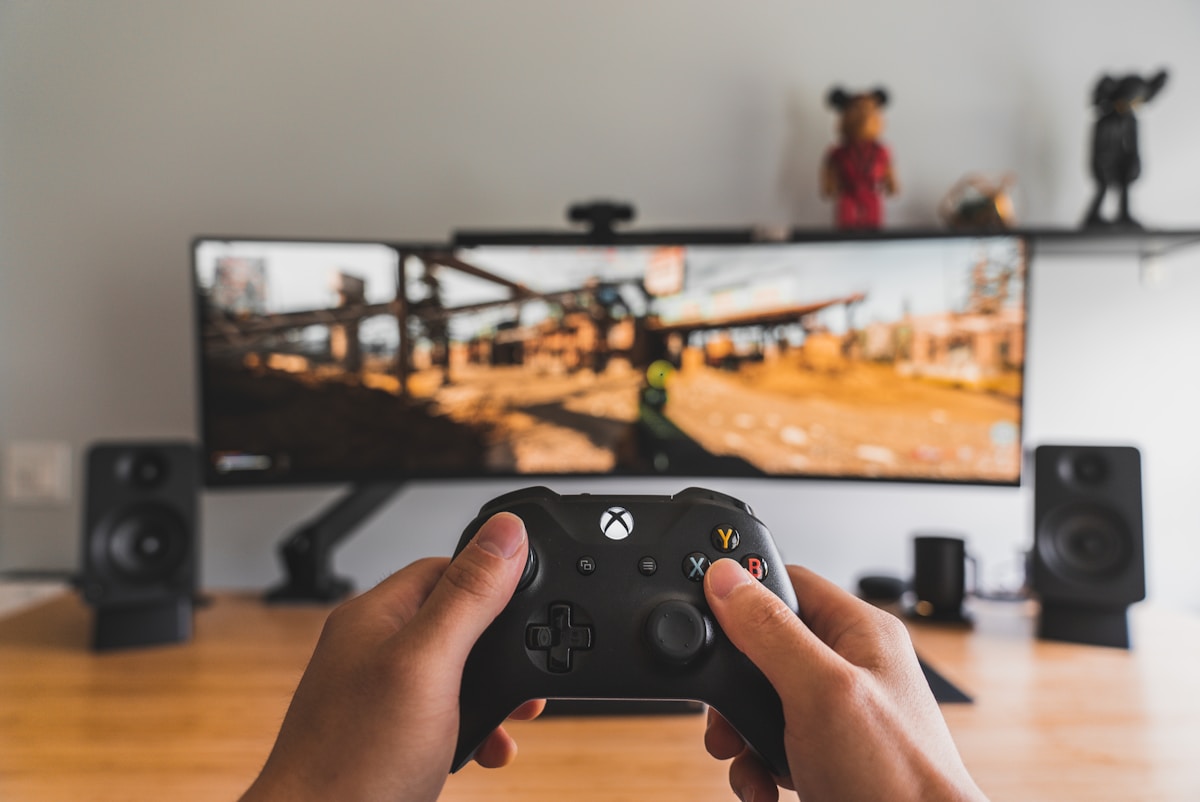
This sounds obvious, right? But seriously, how many times have you fumbled a crucial ability because your finger went to the wrong key? Or missed an easy shot because your mouse sensitivity felt off? You need to become one with your input devices.
- Practice in Training Modes: Most games offer a practice range or tutorial area. Use it. Spend 10-15 minutes before your first real match just warming up, hitting targets, trying out different abilities. Don’t underestimate this.
Customize Your Settings: Default settings are rarely optimal for you*. Adjust your mouse DPI, in-game sensitivity, keybinds, and display options. Experiment until everything feels intuitive. For FPS games, a lower DPI (around 400-800) combined with higher in-game sensitivity often gives you more precision. Find your sweet spot.
- Ergonomics are Key: If you’re playing for more than an hour, your setup matters. A comfortable chair, proper monitor height (eye-level!), and a desk that lets your arms rest naturally will prevent fatigue and injury. This isn’t just about comfort; it impacts your reaction time and focus.
Understand the Game Mechanics Deeply
Every game has its own rules, its unique physics, its hidden systems. A simple understanding isn’t enough; you need to grasp the nuances.
- Read Patch Notes: Developers often release updates that change how characters, weapons, or abilities work. Staying current on these changes gives you an edge. A buff to your main character or a nerf to a common enemy could completely alter your strategy.
- Study Damage Numbers and Timings: In competitive games, knowing exactly how much damage your abilities do, how long cooldowns last, or how long it takes to reload can be the difference between a win and a loss. This lets you make calculated risks and precise plays.
- Learn Map Layouts and Objectives: This goes beyond knowing where the capture points are. It’s about understanding common choke points, flank routes, power positions, and even where enemies are likely to spawn. A good player anticipates; a great player controls the flow.
The Mental Game: Mindset and Strategy

Your skills are only as good as your brain. Gaming isn’t just about reflexes; it’s a mental marathon, especially in competitive settings.
Embrace Failure as a Learning Opportunity
You’re going to lose. A lot. It’s an unavoidable part of the process. What separates improving players from stagnant ones is how they react to those losses. Don’t blame your teammates, don’t rage quit, and dont just move on to the next match immediately.
- Review Your Gameplay: Many games offer replays. Watch them back, especially your losses. Where did you go wrong? Was it positioning? A bad decision? Mismanagement of resources? Be brutally honest with yourself. You’ll spot patterns you never noticed in the heat of the moment.
- Focus on Improvement, Not Just Wins: Your goal isn’t just to win this one match. It’s to become a better player overall. If you made a great play but still lost, acknowledge the good. If you won but played poorly, learn from those mistakes anyway. The wins will come naturally as you improve.
- Maintain a Positive Attitude: Seriously, this is huge. Negativity clouds judgment, slows reaction times, and makes the game less fun. If you find yourself getting tilted, take a break. Walk away from the screen for 10-15 minutes, grab a drink, clear your head. Then come back fresh. Remember, it’s just a game.
Develop Strategic Thinking
Once you’ve got the mechanics down, you need to think about the bigger picture.
- Anticipate Your Opponent: What are they likely to do? Where will they go? What abilities do they have available? Good players react; excellent players predict.
- Understand the “Meta”: This term refers to the most effective tactics available (METAs) at any given time in a game. Watching professional players, reading guides, and discussing strategies with other skilled players can help you understand the current meta. For example, in many competitive shooters, certain weapon loadouts or character combinations consistently perform better. But remember, don’t blindly follow the meta; adapt it to your playstyle.
- Communicate Effectively (if applicable): In team-based games, clear, concise communication is gold. Call out enemy positions, intentions, and coordinate abilities. Don’t be afraid to lead or follow calls.
Beyond the Screen: Holistic Improvement
Gaming isn’t isolated from the rest of your life. How you treat your body and mind outside the game significantly impacts your performance inside it.
Take Regular Breaks and Stay Hydrated
Staring at a screen for hours without moving is a recipe for fatigue and diminished performance. Your eyes get strained, your focus dwindles, and your reaction times slow down.
- The 20-20-20 Rule: Every 20 minutes, look at something 20 feet away for 20 seconds. This helps reduce eye strain.
- Stretch and Move: Stand up, walk around, stretch your arms, shoulders, and back every hour or so. This boosts circulation and keeps you physically limber.
- Drink Water: Dehydration can cause headaches, fatigue, and reduced cognitive function. Keep a water bottle handy and sip regularly. You’ll notice a difference in your sustained focus. Even pros need a break from intense competition. You won’t see Jay-Z declaring himself untouchable in Verzuz by grinding 24/7; he’s got a whole empire to run. Balance is key, even for the best.
Get Enough Sleep
Seriously, this isn’t negotiable. Lack of sleep impairs reaction time, decision-making, and memory. If you’re trying to perform at your best, you need quality rest. Aim for 7-9 hours. You wouldn’t expect an athlete to perform on no sleep, so don’t expect it from yourself in the digital arena.
Connect with the Community
Gaming can be a solitary activity, but it doesn’t have to be. Engaging with other players can open up new avenues for improvement and enjoyment.
- Find Like-Minded Players: Whether it’s through Discord servers, forums, or in-game communities, playing with people who are also looking to improve can make a massive difference. You can learn from each other, practice together, and push each other to get better.
Watch and Learn: Tune into streams or YouTube channels of professional players or high-level content creators. You’ll pick up on advanced strategies, unique mechanics, and smart decision-making you might not have considered. Pay attention to why they do things, not just what* they do.
- Discuss and Analyze: Talk about the game with others. Share your experiences, ask for advice, and offer your own insights. Sometimes just explaining a concept helps solidify your own understanding. When you’re grinding to improve your K/D ratio or master that raid, external drama can really throw you off. You see it all the time with how fast celebrity beefs explode online, like when Sauce Walka clapped back at Drake’s diss. But your game demands your focus.
Advanced Strategies: Pushing the Limits

Once you’ve got the basics and mental game down, you can start refining your approach even further.
Deliberate Practice
This is different from just “playing a lot.” Deliberate practice means you’re actively trying to improve a specific skill.
Target Weaknesses: Identify your biggest weaknesses (e.g., aiming, map awareness, specific character matchups). Devote dedicated practice sessions to just* working on that one thing. Don’t shy away from your flaws; confront them head-on.
- Set Measurable Goals: Instead of “get better at aiming,” try “get 50 headshots in the practice range in under 2 minutes.” This gives you something concrete to work towards and track your progress.
- Push Your Limits: Once you’re comfortable, try something harder. Play against stronger opponents. Try a new, more challenging character. Experiment with unconventional strategies. That’s how real growth happens.
Adaptability is Key
The gaming landscape is constantly changing. New patches, new characters, new metas. You can’t stick to one rigid playstyle forever.
- Be Flexible: If your go-to strategy isn’t working, be prepared to switch it up mid-match. Don’t be stubborn. Learn a secondary character or a different weapon loadout so you always have options.
- Analyze Your Opponents’ Adaptations: Watch how your opponents react to your strategy. Are they countering you? Can you anticipate their counter-moves and switch your own approach before they do? It’s a constant chess match.
Don’t Be Afraid to Experiment
Sometimes the most effective strategies come from thinking outside the box. Don’t be afraid to try weird builds, unusual character picks, or unexpected routes. You might discover something brilliant, or you might fail spectacularly. Either way, you learn. Gaming is a journey, and sometimes you need to step away from the screen. Whether it’s to catch up on the latest Coronation Street drama or just clear your head, taking those breaks is crucial.
Ready to Level Up?
Getting better at video games isn’t just about endless grinding. It’s a deliberate process that involves understanding the game, mastering your