The air crackled with the unspoken tension of a decades-old rivalry as Bryan “Birdman” Williams, the co-founder of Cash Money Records, finally peeled back the curtain on the deep-seated animosity that prevented a legendary collaboration with Master P’s No Limit Records. In a candid and explosive interview, the New Orleans mogul did not mince words, revealing that the two powerhouse labels were never on speaking terms, a schism born from the streets that ultimately cost the culture a potential supergroup. Birdman’s admission that he “lost respect” for his counterpart, Percy “Master P” Miller, stems from a specific, long-buried incident involving a thwarted business deal, painting a picture of two empires that were always destined to collide rather than unite.
The revelation comes at a pivotal moment, just as the city of New Orleans prepares to host the monumental “Cash Money No Limit” reunion tour, a live celebration that will finally see the titans of Southern hip-hop share a stage. Birdman’s narrative, however, suggests that the path to this historic truce was paved with profound mistrust and a competitive fire that burned for over two decades. He detailed how the two camps, hailing from the Calliope and Magnolia projects respectively, existed in parallel universes, their artists forbidden from mingling professionally due to the icy relationship at the top.
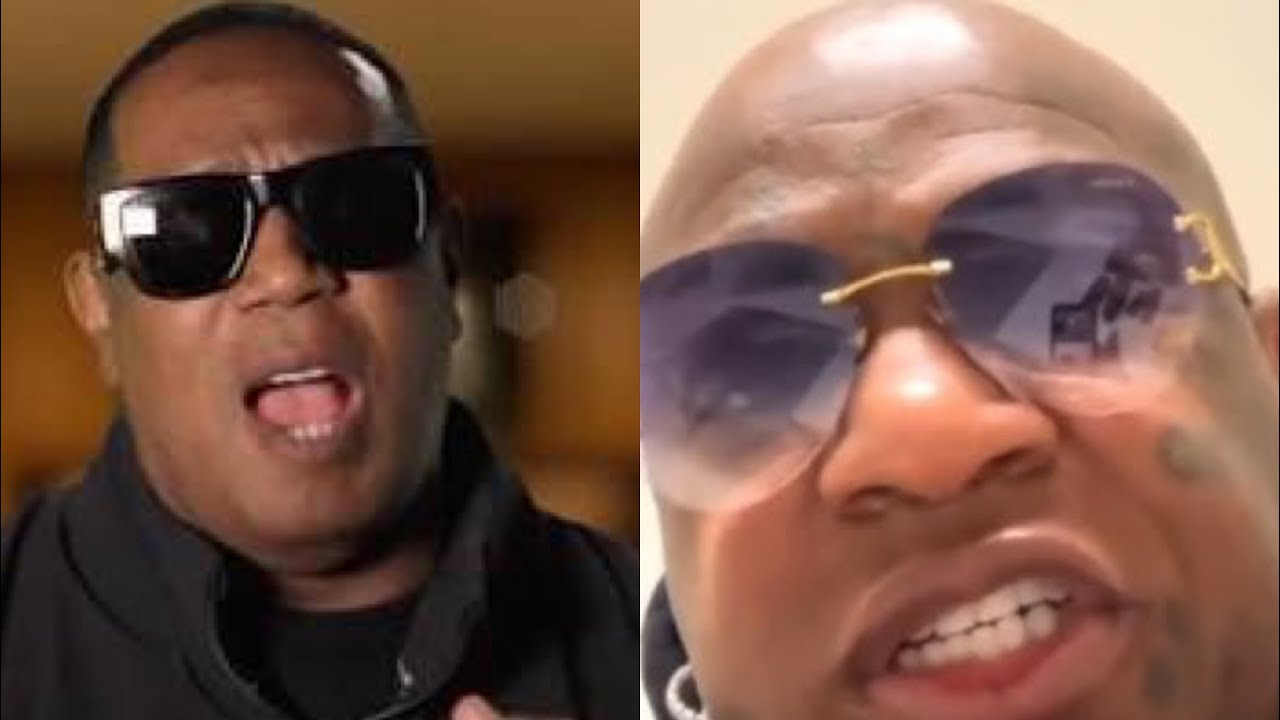 The interview transcript, translated from a recent podcast appearance, frames this not as a simple misunderstanding but as a calculated power struggle where Master P allegedly moved to block Cash Money’s ascent.
According to Birdman, the friction was palpable from the very beginning, a visceral incompatibility that went beyond mere business competition and into the realm of personal pride. He recounted a specific journey to the West Coast, where a potential deal for Cash Money was abruptly scuttled because of a direct threat from Master P. The story goes that P warned the prospective partners that he would sever ties with anyone who signed a deal with the upstart Cash Money label, a move that forced Birdman to fly back to New Orleans empty-handed.
This act, Birdman implied, was the genesis of his disillusionment, a moment that solidified his belief that Master P was more focused on obstructing a rival than on fostering the growth of the genre they both dominated.
The interview transcript reveals a nuanced perspective from Birdman, who insisted that the feud was never about violence or personal loss, but rather a stubborn refusal to co-exist. He clarified that there was no bloodshed, no direct confrontation that escalated to physical altercation, but an unspoken rule that the two factions simply could not mix. This sentiment was so strong that it permeated down to the artists, preventing collaborations that fans desperately wanted to see during the peak of both labels’ dominance in the late 90s and early 2000s.
Birdman’s tone suggests a lingering bewilderment, as if he still struggles to fully comprehend the depth of the division, even as he prepares to share a stage with his former rival.
Adding a layer of complexity to the narrative, Birdman referenced a personal tragedy that occurred during this period of intense rivalry, a loss that he was initially unaware of the details surrounding. He stated that as a man, he now understands that Master P and his camp were not responsible for this specific heartbreak, yet the cloud of suspicion and the lack of communication at the time further cemented the walls between them. This admission offers a rare glimpse into the human cost of the hip-hop territorial wars, where personal grief and business acrimony often became intertwined, creating a toxic brew that lasted for generations.
The mogul’s reflection suggests that the upcoming tour is not just a business venture but a cathartic release of years of pent-up frustration.
The narrative then shifted to the perspective of Master P, who, in a separate segment, offered a contrasting yet complementary view of their relationship. P acknowledged the geographic proximity of their respective territories, noting that they were only a few buildings apart in the same neighborhood, yet their worlds never truly intersected. He recalled a moment in 1998 when he called Birdman and Cash Money out on stage, a gesture that he framed as mutual respect between two successful Black men from the same city.
However, P’s own recollection of the events, including the alleged attempt to block a deal, was notably absent, instead focusing on the positive energy of the upcoming reunion and the need to celebrate their shared legacy.
The upcoming tour, which is set to feature a massive lineup including Juvenile, BG, Mannie Fresh, Silk the Shocker, Mia X, KLC, and Mr. Serv-On, is being positioned as a historic moment for New Orleans culture. Birdman emphasized the urgency of this event, pointing out that they have already lost key figures like Young Bleed and that life is fleeting.
 His comments reflect a mature perspective, one that prioritizes legacy and community over past grievances. He expressed a desire to give the people a moment of joy and nostalgia, a chance to see the architects of a sound that defined a generation share a stage in peace, a sentiment that resonates deeply with fans who have waited over two decades for this moment.
Despite the forward-looking tone of the reunion plans, Birdman’s interview serves as a stark reminder of the deep-seated issues that once threatened to keep these two empires apart. His claim that Master P attempted to block a Cash Money deal is a serious accusation that adds a new chapter to the lore of the Southern hip-hop rivalry. The fact that he chose to air this grievance now, on the eve of their joint celebration, is a strategic move that ensures the narrative remains complex and layered.
It suggests that while they are willing to share a stage for the sake of history, the scars of the past are not entirely healed, and the respect Birdman lost for Master P was not easily regained.
The business implications of this feud were significant, as it prevented the kind of cross-pollination that could have created a super-label capable of dominating the entire music industry. Instead of combining their forces, No Limit and Cash Money engaged in a silent war for supremacy, each trying to outdo the other in terms of sales, street credibility, and cultural impact. This competition, while fierce, arguably pushed both labels to innovate and produce some of the most iconic music of the era, but it also created a void where potential collaborations were left unexplored.
Birdman’s revelation highlights the missed opportunities and the what-ifs that have haunted fans for years.
The transcript also touches upon the personal dynamics between the artists, suggesting that while the top brass were at odds, the artists themselves may have had a different relationship. Birdman noted that the artists could not get along simply because the bosses did not, implying a top-down enforcement of the rivalry. This suggests that the feud was not organic but rather a manufactured division that stifled creative partnerships.
The artists, who were likely friends or at least acquaintances from the same city, were forced to choose sides, further entrenching the divide and preventing the kind of organic collaborations that could have bridged the gap.
As the interview concluded, the focus returned to the future, with Birdman expressing excitement and a sense of duty to deliver this historic show to the people. He spoke of the energy and the positive vibes that are now circulating, a stark contrast to the tension of the past. The fact that both Birdman and Master P are speaking positively about each other in the lead-up to the tour is a significant shift, one that suggests a mutual recognition of their shared history and the importance of unity for the next generation.
However, Birdman’s candid admission of lost respect serves as a cautionary tale, reminding everyone that the road to reconciliation is often paved with complicated emotions.
 The timing of this revelation is particularly interesting, as it comes at a moment when the music industry is increasingly focused on legacy and catalog ownership. Both Birdman and Master P are not just artists but savvy businessmen who have navigated the treacherous waters of the music business to retain control of their empires. Their reunion is not just a nostalgic trip down memory lane but a strategic move to capitalize on their combined cultural capital.
By addressing the past, Birdman ensures that the narrative of this reunion is not just a sanitized celebration but a real, authentic story of two men who overcame their differences to honor their city.
The impact of this story extends beyond just the two moguls, as it speaks to the broader dynamics of hip-hop culture in the South. New Orleans, a city with a rich musical heritage, was the epicenter of a movement that changed the sound of popular music. The rivalry between No Limit and Cash Money was a defining feature of that era, shaping the identities of both labels and their artists.
Birdman’s willingness to discuss the “real reason” for the feud provides a valuable historical record, offering insight into the mindset of the key players and the forces that drove them apart.
The specific allegation that Master P threatened to leave a partnership if they signed with Cash Money is a powerful piece of information that reframes the narrative of the rivalry. It portrays P as a proactive competitor who was willing to use his influence to stifle a rival’s growth, a move that Birdman clearly viewed as underhanded. This accusation, whether fully accurate or colored by time and perspective, adds a layer of intrigue to the story and gives fans a new lens through which to view the relationship between the two labels.
It also raises questions about the nature of business competition in the hip-hop world, where street codes and corporate maneuvering often collide.
As the conversation around the reunion tour intensifies, the focus will undoubtedly be on the performances and the nostalgia of seeing these legends together. However, Birdman’s interview ensures that the conversation will also include a critical examination of the past. His comments serve as a reminder that the glitz and glamour of the stage often mask the complex, and sometimes bitter, realities of the business behind the music.
The fact that he is willing to share this story now, after so many years, suggests a desire for transparency and a final settling of accounts before the curtain rises on this new chapter.
The cultural significance of this moment cannot be overstated, as it represents a potential closing of a circle that has been open for nearly three decades. For the fans who grew up in the 90s and 2000s, the idea of seeing Birdman and Master P on the same stage was once an impossible dream, a fantasy that fueled countless debates about who was the true king of the South. Now, that dream is becoming a reality, and Birdman’s candid interview adds a layer of authenticity to the proceedings, reminding everyone that this is not a manufactured event but a genuine, hard-won truce.
 The business of the reunion is also a significant factor, as both labels have a vested interest in monetizing their legacies. The tour is expected to be a massive commercial success, drawing in fans from across the globe who want to witness this historic event. By addressing the feud head-on, Birdman is generating even more buzz and intrigue, ensuring that the tour remains in the headlines and that ticket sales continue to soar.
His comments are not just a personal confession but a strategic marketing tool that capitalizes on the public’s fascination with the rivalry.
The emotional weight of the interview is palpable, as Birdman reflects on the years of missed opportunities and the stubborn pride that kept them apart. He speaks with a sense of regret, not for the feud itself, but for the time lost and the collaborations that never happened. His mention of the loss of loved ones and the fragility of life adds a somber note to the conversation, reminding everyone that this reunion is also a tribute to those who are no longer with us.
It is a moment to honor the past while looking forward to the future.
The reaction from the hip-hop community is likely to be mixed, with some praising Birdman for his honesty and others questioning his motives for bringing up old grievances. However, the overwhelming sentiment is likely to be one of excitement and anticipation for the tour itself. The fans want to see the music, the energy, and the spectacle of two legendary camps sharing a stage.
Birdman’s interview adds a layer of depth to that anticipation, giving fans a story to chew on as they prepare for the show.
In the end, Birdman’s revelation is a powerful reminder of the human element behind the music. It shows that even the most successful moguls are not immune to the pettiness, pride, and pain that can define personal relationships. The fact that he is willing to share this story, warts and all, is a testament to his maturity and his desire to move forward with a clear conscience.
As the Cash Money No Limit tour prepares to make history, Birdman’s words ensure that the story of how they got there is just as compelling as the performances themselves.